
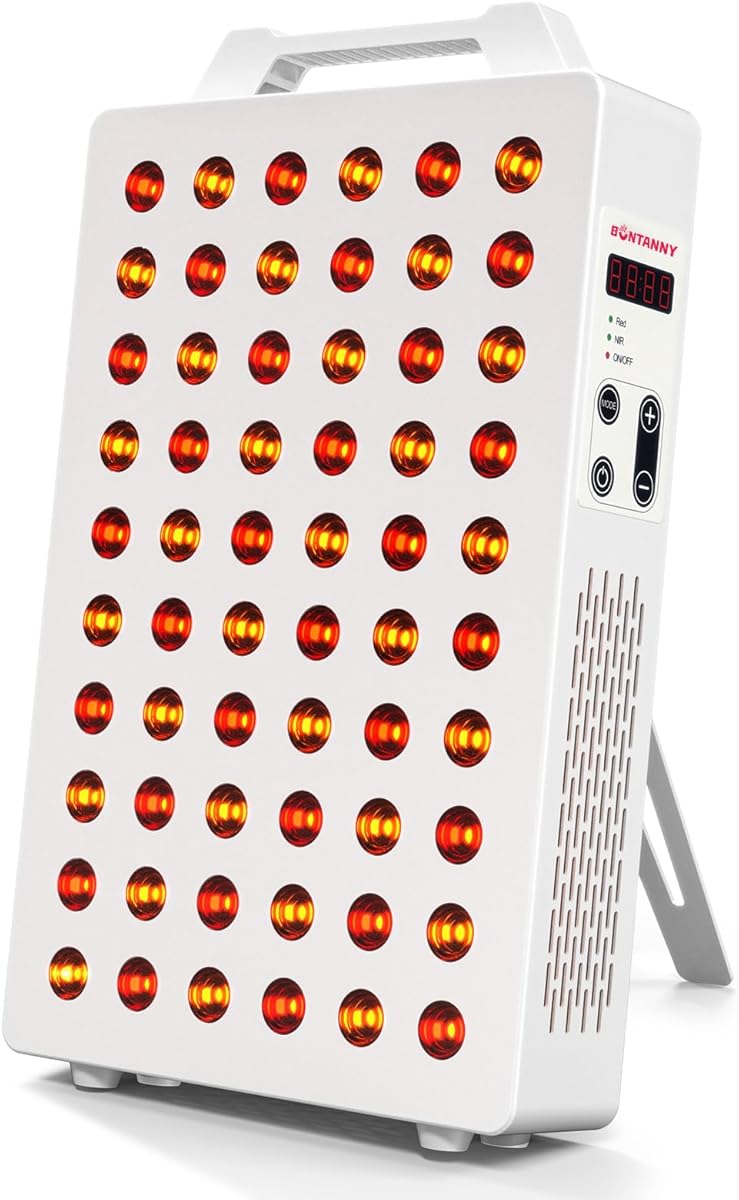
Multi-Wavelength Red Light Therapy: What Smart Shoppers Must Know
Red light therapy devices like the BO-300 with five wavelengths (630/660/810/830/850nm) promise skin rejuvenation and pain relief, but not all panels are equal. Before you invest, understand how wavelength variety, power output, and safety features impact results.
Key Considerations Before Buying
- Wavelength coverage: The BO-300's 630/660nm red light targets skin surface, while 810/830/850nm near-infrared penetrates deeper for muscle and joint relief—ensure the device's mix matches your primary goals.
- LED chip quality and count: With 60 dual-chip LEDs, this panel offers higher irradiance, but verify the power density (mW/cm²) at your typical use distance, as it determines treatment time and efficacy.
- Ease of use and safety: A remote control and timer are convenient, but also check for auto shut-off, eye protection, and whether the device is FDA-cleared or CE-marked for safety assurance.
What Our Analysts Recommend
Look for devices with multiple clinically studied wavelengths, adequate power output (at least 50-100 mW/cm²), and quality construction with cooling fans to prevent overheating. Also, consider the treatment area size—the BO-300 covers a decent surface but may require multiple sessions for full-body use.
Light Therapy Market Context
Market Overview
The red light therapy market has exploded, with devices ranging from cheap LED masks to professional-grade panels. The BO-300 sits in the mid-to-high range, offering a balance of features and power for home users.
Common Issues
Common complaints include misleading power specs, insufficient irradiance, and inadequate heat management. Some users also report that devices with fewer wavelengths fail to deliver comprehensive benefits, making multi-wavelength panels like the BO-300 a smarter choice.
Quality Indicators
High-quality devices typically disclose irradiance values, use medical-grade LEDs, and have certifications (FDA, CE). Look for transparent specifications and positive user feedback on durability and results.
Review Authenticity Insights
Grade B Interpretation
The B grade and 10% estimated fake review rate suggest that while the majority of the 286 reviews are genuine, a small fraction may be incentivized or unverified. This is common for popular health devices, but it means you should weigh reviews carefully.
Trust Recommendation
Given the high adjusted rating of 4.60/5, you can trust the overall positive sentiment. However, focus on detailed reviews that mention specific use cases (e.g., eczema, pain) and avoid overly generic five-star praise.
Tips for Reading Reviews
For light therapy devices, look for reviews that mention treatment protocols, time to see results, and any side effects. Photos and long-term updates are especially valuable—they indicate real-user experiences.
Expert Perspective
The BO-300 stands out for its five-wavelength versatility and 60 dual-chip LEDs, which are above average for home devices. The high adjusted rating of 4.60/5 reinforces its efficacy, though the 10% fake review rate warrants a cautious but not dismissive approach. Its remote and timer add convenience, making it a solid choice for face and body treatments.
Purchase Considerations
Weigh the upfront cost against your commitment—consistent use is key for results. Also, consider your space: the panel's size and mounting options should fit your lifestyle. If you have specific conditions (e.g., chronic pain), consult a healthcare provider first.
Comparing Alternatives
Compare the BO-300 with other multi-wavelength panels in the same price range, such as those from Mito Red Light or PlatinumLED, to ensure you get the best irradiance and warranty for your budget.


