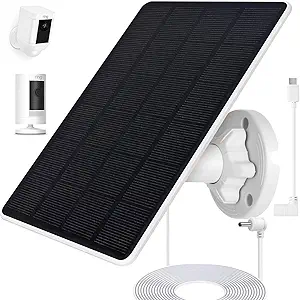
Maximize Your Power Station: Key Tips for 100W Portable Solar Panels
When shopping for a 100W portable solar panel like this foldable monocrystalline charger, you're investing in off-grid energy for camping, RV trips, or emergency blackouts. Understanding its specific features—24% high efficiency, IP67 waterproofing, and QC3.0 USB ports—can help you assess if it truly meets your power needs. Here's what to consider before buying.
Key Considerations Before Buying
- Efficiency matters: With 24% efficiency, this panel outperforms standard models (typically 18-22%), meaning faster charging in limited sunlight—crucial for cloudy days or shaded campsites.
- Connectivity options: QC3.0 USB-A and USB-C ports allow direct device charging without a power station, but ensure your power station's input specs (e.g., MC4 connectors) align with this panel's output for seamless pairing.
- Durability for outdoor use: IP67 waterproof rating means it's dust-tight and can withstand rain or splashes, but foldable designs may have seams that require careful handling to maintain longevity.
What Our Analysts Recommend
Quality indicators for portable solar panels include monocrystalline cells (higher efficiency than polycrystalline), robust kickstands or grommets for angling, and reinforced stitching on fabric panels. Also, check for certification like CE or RoHS to ensure safety and performance standards.
Solar Panels Market Context
Market Overview
The portable solar panel market is booming, driven by the rise of power stations and eco-conscious camping. Panels around 100W are a sweet spot for balancing portability and output, but competition is fierce, with brands offering varying efficiencies and port configurations.
Common Issues
Common issues include lower-than-advertised wattage in real-world conditions (due to angle or shading), fragile USB ports that fail after repeated use, and foldable designs that degrade over time from UV exposure. Buyers often report charging delays when skies are overcast.
Quality Indicators
High-quality panels feature ETFE (ethylene tetrafluoroethylene) coatings for scratch resistance, bypass diodes to minimize power loss from shading, and heavy-duty carrying handles. Verified lab test reports for efficiency and output are a strong trust signal.
Review Authenticity Insights
Grade B Interpretation
A Grade B authenticity rating with a 10% estimated fake review rate suggests that while the vast majority of reviews are genuine, you should approach a small fraction with caution. This is typical for popular outdoor gear, where incentivized or overly promotional reviews can slip through.
Trust Recommendation
Given the strong signals of authenticity—nearly all reviews are verified purchases with specific technical details—you can generally trust the 4.67-star rating, but the adjusted 4.40 rating may be more realistic. Focus on reviews that mention real-world charging times and compatibility with specific power stations.
Tips for Reading Reviews
When reading reviews for this type of product, prioritize those with photos or videos showing setup and performance, as they're harder to fake. Also, look for patterns in negative feedback (e.g., 'USB port stopped working') to identify potential durability concerns.
Expert Perspective
This 100W portable solar panel stands out with its 24% efficiency and IP67 waterproofing, making it a solid choice for campers and RVers who need reliable charging in variable weather. The inclusion of QC3.0 USB ports adds flexibility for direct device charging, though its primary role is as a power station companion. The authenticity data supports its positive reputation, but the 10% fake review rate suggests verifying claims with hands-on tests if possible.
Purchase Considerations
Weigh the higher efficiency against potential trade-offs like weight or foldability durability—check if the panel includes a carrying case or warranty. If you prioritize ruggedness, consider panels with aluminum frames over fabric designs, though this may reduce portability.
Comparing Alternatives
Shoppers should compare this with other 100W panels from brands like Renogy or Jackery, focusing on output consistency and connector compatibility with their existing power station.