How to Choose the Right Garden Mesh Netting for Your Plants
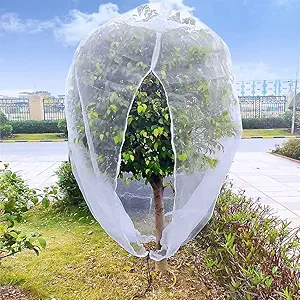
When selecting garden mesh netting, it's crucial to balance durability, shading, and pest protection. The ANPHSIN Stronger Garden Mesh Netting offers a 33% shading rate and a robust PP nanocomposite material, making it a versatile option for outdoor plants, vegetables, and patio areas. This guide will help you understand key factors to consider before purchasing.
Key Considerations Before Buying
- Mesh size and strength: For bird and mosquito barriers, ensure the mesh is fine enough to block small insects but strong enough to withstand weather. The ANPHSIN netting uses nanocomposite technology for enhanced durability.
- Shading rate: A 33% shading rate is ideal for plants that need partial sun protection, like leafy greens or herbs, but may not suit full-sun vegetables like tomatoes—adjust based on your garden's light exposure.
- Size and coverage: Measure your garden or balcony area accurately. The 10 x 33 ft dimensions of this netting provide ample coverage for raised beds or trellises, but consider whether you need extra for overlaps or securing.
What Our Analysts Recommend
Quality indicators in garden netting include tear-resistant materials like polypropylene (PP) nanocomposites, UV stabilization for longevity, and consistent mesh openings. Look for products with verified customer photos showing real-world use, as seen in ANPHSIN's reviews, and check for manufacturer warranties or guarantees.
Garden Netting Market Context
Market Overview
The garden netting market has seen a surge in demand for multifunctional barriers that protect against birds, insects, and excessive sun. Products like ANPHSIN's netting cater to urban gardeners and small-space growers who need lightweight yet durable solutions for patios and balconies.
Common Issues
Common problems include netting that tears easily under wind or animal pressure, inconsistent mesh sizes that allow pests through, and low shading rates that fail to protect delicate plants. Some nettings also degrade quickly in UV exposure, reducing their lifespan.
Quality Indicators
High-quality netting typically features reinforced edges, UV-resistant coatings, and material specifications like denier or thickness. The ANPHSIN netting's nanocomposite PP construction is a positive signal, as it suggests improved strength over standard polyethylene options.
Review Authenticity Insights
Grade B Interpretation
With a Grade B authenticity rating and an estimated 10% fake reviews, the ANPHSIN netting has a mostly trustworthy review base. The 4.89/5 star rating is slightly inflated by potentially fake reviews, but the adjusted rating of 4.60/5 is still excellent, indicating genuine customer satisfaction.
Trust Recommendation
Given the 10% fake review rate, focus on the 90% of reviews that are likely authentic—especially detailed ones describing specific uses like covering tomato plants or mosquito control. Verified purchase badges and photo reviews add extra credibility.
Tips for Reading Reviews
For netting products, look for reviews that mention installation ease, durability over time, and effectiveness against target pests. Avoid overly generic praise or one-line reviews with no context, as these are more likely to be fake.
Expert Perspective
The ANPHSIN Stronger Garden Mesh Netting stands out for its nanocomposite material, which offers a balance of strength and flexibility, and its high customer satisfaction despite a small fake review presence. The 33% shading rate makes it a solid choice for partial shade applications, though gardeners in high-wind areas should secure it properly. Overall, this product delivers on its promises for most patio and garden uses.
Purchase Considerations
Consider your specific needs: if you require full sun blockage or extra-large coverage, this netting may not be ideal. However, for bird and mosquito protection with moderate shading, it's a reliable option backed by strong real-world feedback.
Comparing Alternatives
Shoppers should compare this netting with other options like aluminum or polyethylene nets for different durability or shading requirements, but the ANPHSIN's price-to-performance ratio is competitive.