
Choosing Quick-Release Olympic Collars: What Matters for 2-Inch Barbell Security
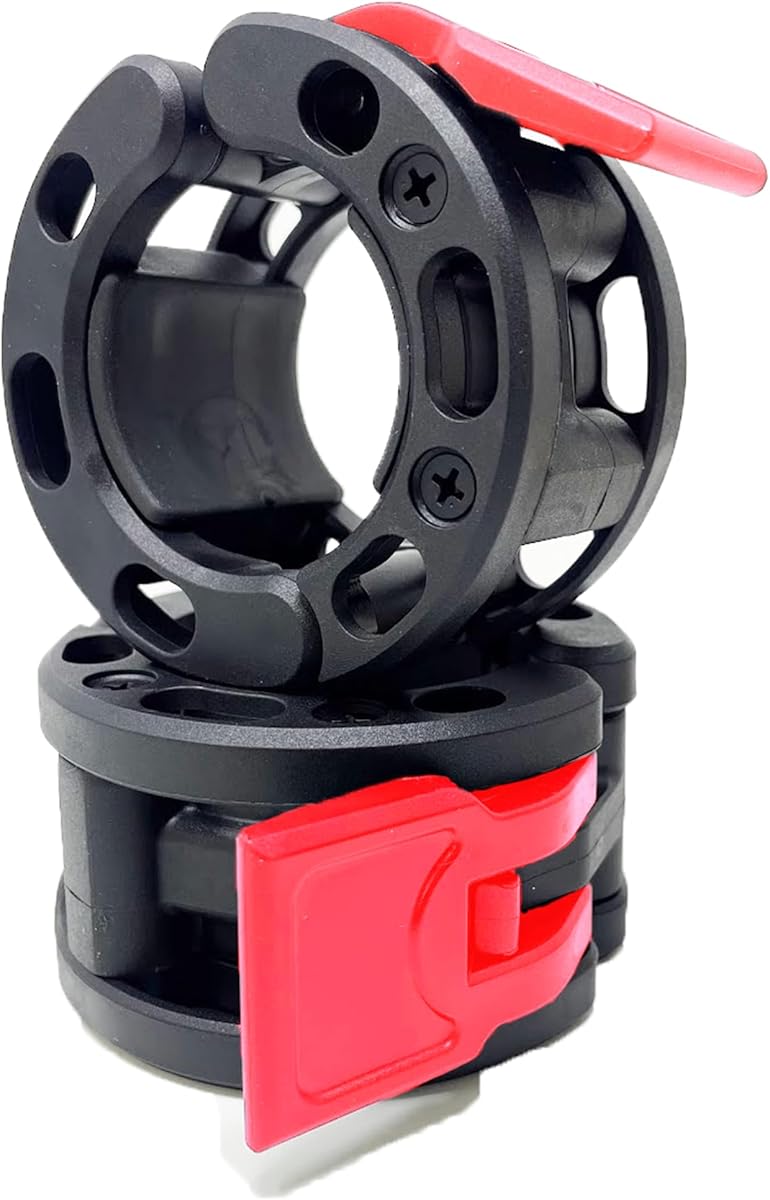
When selecting locking collars for your Olympic barbell, the Clout Fitness model demonstrates that effective design prioritizes both security and speed. These specific collars use a quick-release lever mechanism, which differs significantly from traditional screw-on or spring-based collars in both operation and performance.
Key Considerations Before Buying
- The lever's clamping force must be sufficient to prevent plate rotation and sliding during dynamic lifts like cleans or deadlifts, a key performance metric for this product type.
- Compatibility is non-negotiable; these are designed specifically for the 2-inch (50mm) sleeve diameter of Olympic barbells, not standard 1-inch bars.
- Durability of the internal spring and lever hinge under repeated high-force applications separates temporary solutions from long-term home gym accessories.
What Our Analysts Recommend
Examine the lever's engagement mechanism; a positive, audible 'click' often indicates secure locking. Quality collars will have minimal lateral play when locked and use hardened steel pins in the hinge points. The clamping surface should contact a significant portion of the barbell sleeve, not just a small edge.
Collars Market Context
Market Overview
The market for quick-release barbell collars is crowded with designs ranging from plastic lever locks to complex cam systems, with significant price and durability variation. Products like the Clout Fitness collars occupy a mid-tier position, promising faster operation than traditional collars without the premium cost of competition-grade models.
Common Issues
Common failures include lever mechanisms losing tension over time, plastic components cracking under stress, and designs that mar or scratch barbell sleeves. Poorly machined collars may also fail to maintain grip during high-impact drops from overhead movements.
Quality Indicators
Look for one-piece metal construction (often zinc alloy or steel) rather than assembled plastic parts. A robust spring return on the lever and precisely machined jaws that match the barbell sleeve curvature are hallmarks of a well-engineered collar.
Review Authenticity Insights
Grade B Interpretation
A Grade B authenticity rating with an estimated 15% fake review rate suggests a generally trustworthy review pool, but advises healthy skepticism. For this product, it means the overwhelming positive sentiment (4.89/5) is likely inflated, but the core performance feedback is reliable.
Trust Recommendation
Focus on reviews that describe specific use cases like CrossFit WODs, heavy deadlift sessions, or contrast them with other collar types. Be wary of overly vague praise about 'quality' without detailing the mechanism's operation or long-term durability.
Tips for Reading Reviews
Prioritize reviews mentioning months of use, high-rep workouts, or comparisons to brand-name collars like Rogue or Titan. Look for mentions of plate 'spin' or 'sliding,' as these address the fundamental function of the product.
Expert Perspective
The analysis data—a high adjusted rating of 4.5/5 from a substantial review pool—indicates these Clout Fitness collars reliably perform their core function for most home and garage gym users. Their popularity stems from solving the speed-versus-security trade-off inherent to barbell collars at an accessible price point. The product's success hinges on its specific lever design providing faster changes than screw collars while being more secure than spring clips for Olympic weightlifting.
Purchase Considerations
Consider your primary training style: these are ideal for circuit training or HIIT requiring frequent weight changes, but a powerlifter making few changes per session might prioritize absolute security over speed. Assess your barbell's sleeve finish, as some lever designs can leave impression marks.
Comparing Alternatives
Shoppers should compare the lever throw distance and grip surface of similar models from brands like Yes4All or Harbinger to find the best ergonomic fit.


