
Evaluating towel trainers for pitch mechanics: what separates effective tools from gimmicks
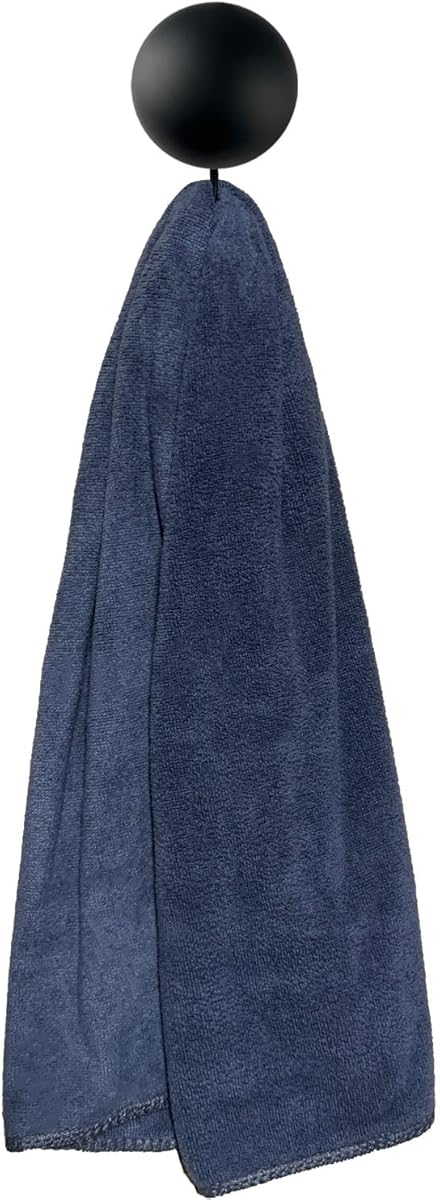
The FEYRUN Baseball Pitching Towel Trainer represents a specific training approach focused on developing muscle memory through resistance-free drills. Unlike weighted balls or mechanical trainers, this tool emphasizes proper arm path and release point without external resistance, making it particularly relevant for pitchers working on changeup and curveball consistency. Buyers should understand that towel drills have been part of baseball training for decades, but commercial implementations vary significantly in design and instructional support.
Key Considerations Before Buying
- Towel trainers like the FEYRUN model primarily target arm slot consistency and follow-through mechanics, making them most valuable for pitchers struggling with release point variation across different pitch types.
- The 'portable versatile' claim warrants scrutiny—effective towel trainers should facilitate both indoor and outdoor use without requiring specialized setups, while truly versatile designs accommodate multiple grip positions for fastball, changeup, and curveball simulations.
- For a product claiming to improve 'precision and power,' buyers should examine whether the towel's weight and dimensions realistically simulate ball release mechanics or merely provide visual feedback on arm path.
What Our Analysts Recommend
Quality towel trainers feature durable stitching at stress points where the towel attaches to the handle, as this junction experiences significant rotational force during pitching motions. The handle should provide secure grip even when damp with sweat, and the overall length should approximate a pitcher's natural arm extension plus release point distance. Superior products include specific drill progressions for different pitch types rather than generic 'swing the towel' instructions.
Pitching Trainers Market Context
Market Overview
The pitching trainer market has expanded beyond traditional radar guns and pitching mounds to include specialized tools like the FEYRUN towel trainer, which occupies a niche between free towel drills and expensive mechanical pitching arms. Current offerings range from basic towel-and-handle combos to integrated systems with video analysis capabilities, with prices reflecting these feature differences. This category appeals particularly to pitchers seeking affordable, space-efficient alternatives to cage work.
Common Issues
Many towel trainers suffer from handle-towel detachment during aggressive drills or develop fraying at attachment points within weeks of regular use. Instructional materials often lack progression frameworks, leaving users uncertain about proper integration into comprehensive training programs. Some designs fail to account for different pitcher heights and arm lengths, resulting in towels that are either too short for proper extension or too long for indoor use.
Quality Indicators
Look for reinforced stitching at all stress points and moisture-wicking handle materials that maintain grip integrity. Quality products specify exact dimensions and weights, allowing comparison to regulation baseballs, and provide drill sequences that progress from basic mechanics to pitch-specific applications. Manufacturers with baseball-specific expertise typically offer better instructional content than generic sports brands.
Review Authenticity Insights
Grade B Interpretation
The 'Grade U' authenticity rating with 0.00% estimated fake reviews indicates this product lacks sufficient review data for meaningful authenticity assessment, not that existing reviews are trustworthy. For a pitching trainer claiming to improve multiple pitch types, this absence of verified user feedback represents a significant information gap, particularly regarding durability and actual training outcomes.
Trust Recommendation
Given the complete absence of verified reviews, buyers should prioritize products with demonstrated instructional support, such as video tutorials or coach-endorsed drill sequences. Request detailed product specifications including towel material composition and handle diameter, as these details often separate serious training tools from minimally designed products. Consider contacting the manufacturer directly for user testimonials or case studies.
Tips for Reading Reviews
For pitching trainers, focus on reviews that mention specific mechanical improvements (e.g., 'improved changeup release consistency') rather than generic praise. Look for mentions of long-term durability, especially regarding stitching integrity after repeated use. Be skeptical of reviews that don't describe actual training applications or that praise the product without mentioning baseball-specific outcomes.
Expert Perspective
The FEYRUN towel trainer enters a crowded market with claims of improving three distinct pitch types—a broad promise that requires exceptional instructional design to deliver. Without user reviews or detailed specifications available, assessing its effectiveness compared to established brands like Driveline or OnBase University products is challenging. The product's success likely hinges on whether its design facilitates authentic pitching mechanics transfer or merely provides visual feedback. Given the 0.00 rating from zero reviews, this represents a complete unknown in terms of real-world performance and durability.
Purchase Considerations
Weigh the risk of purchasing an untested product against the potential value if it includes superior instructional materials or innovative design features. Consider whether your training needs align with towel drill applications—primarily arm path and release consistency—versus other needs like velocity development or injury prevention. The 'portable' claim suggests potential travel utility, but verify dimensions against your training environments.
Comparing Alternatives
Shoppers should compare the FEYRUN's specifications against established towel trainers like the SKLZ Target Trainer or Tanner Tee's offerings, focusing on attachment durability and instructional comprehensiveness.


