
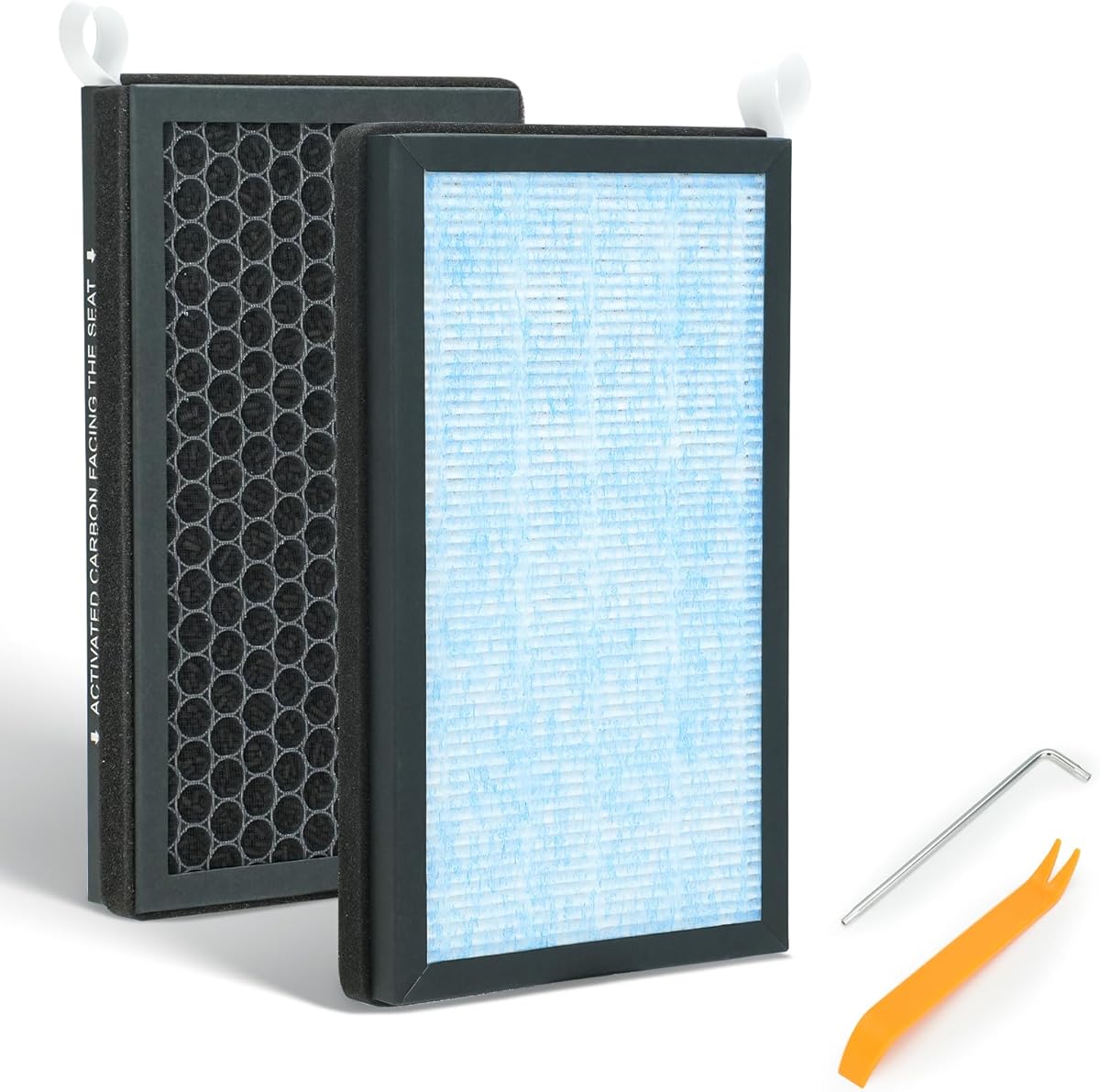
Tesla Cabin Filter Replacement: What Owners Need to Know Before Buying
Replacing your Tesla Model 3 or Model Y cabin air filter requires understanding the specific 3-in-1 HEPA design that combines particulate, carbon, and allergen filtration. This aftermarket 2-pack offers a direct replacement for Tesla's integrated system, but compatibility with your specific model year (2016-2025) is crucial. Unlike generic filters, Tesla's system demands precise dimensions and airflow characteristics to maintain cabin overpressure and the Bioweapon Defense Mode functionality.
Key Considerations Before Buying
- Verify exact model year compatibility, as early Model 3 (2017-2020) and refreshed models may have subtle mounting differences that affect installation.
- Assess the claimed 'True HEPA' filtration level against OEM specifications (reportedly HEPA H13 or H14 grade) to ensure equivalent protection from fine particulates.
- Consider the replacement interval; Tesla recommends changes every 2-3 years, but high-pollen or urban environments may necessitate annual swaps, making a 2-pack cost-effective.
What Our Analysts Recommend
Genuine quality indicators include precise mention of the three filtration layers (pre-filter, HEPA media, activated carbon), correct gasket sealing for the filter housing, and packaging that prevents media damage. Reviews mentioning a noticeable reduction in cabin odors or particulates after installation signal effective carbon and HEPA performance. Avoid filters that omit detailed layer specifications or have vague compatibility claims across multiple vehicle brands.
Passenger Compartment Air Filters Market Context
Market Overview
The aftermarket Tesla cabin filter segment has grown rapidly, with numerous brands offering 3-in-1 replacements that promise OEM-equivalent performance at lower cost. Competition centers on filtration efficiency claims, carbon content weight for odor removal, and ease of the often-tight installation behind the glovebox. Prices typically range 30-50% below Tesla service center parts, creating significant owner savings.
Common Issues
Owners frequently report installation challenges due to the confined space behind the dashboard, with some aftermarket filters having slightly rigid frames that complicate seating. Inconsistent carbon layer quality can lead to premature odor breakthrough, and non-OEM HEPA media may create higher airflow resistance, potentially triggering error codes or reducing HVAC efficiency.
Quality Indicators
Superior filters use pleated HEPA media with consistent spacing, a substantial activated carbon layer (often 150-200g), and anti-microbial treatment. Quality packaging includes individual plastic sleeves to maintain filter integrity. Trusted sellers provide detailed installation guides or video links specific to Model 3/Y, acknowledging the required glovebox removal and sensor reconnection steps.
Review Authenticity Insights
Grade B Interpretation
A Grade B authenticity rating with an estimated 10% fake review rate indicates a generally trustworthy review pool with minimal orchestrated manipulation. This suggests most feedback reflects genuine owner experiences, though shoppers should remain slightly cautious of overly effusive 5-star reviews lacking installation specifics. The adjusted rating of 4.30/5 (down from 4.56/5) after filtering suspicious content represents a more reliable performance benchmark.
Trust Recommendation
Prioritize reviews that detail the installation process, mention specific model years, or compare airflow or odor reduction to the original filter. The high verification rate means experiences describing the filter's fit behind the glovebox or its effect on cabin air quality are likely authentic. Cross-reference any mentions of 'easy installation' with reviews noting challenges to get a balanced perspective.
Tips for Reading Reviews
For this technical automotive part, focus on reviews that mention the filter's rigidity compared to OEM, the presence of clear labeling for airflow direction, and whether the carbon layer visibly differs from the original. Reviews discussing performance over several months are more valuable than first-impression posts, as they test long-term odor control and particulate filtration.
Expert Perspective
This product's strong authenticity metrics (Grade B, 4.30 adjusted rating) suggest it's a legitimate contender in the Tesla aftermarket filter space. The 2-pack offering aligns well with Tesla's recommended replacement cycle, providing good value if the HEPA and carbon filtration meet claimed specifications. The specific compatibility claim for 2016-2025 models is ambitious, given documented minor housing changes during Model 3/Y production runs; owners of very early or very recent vehicles should verify fitment details in reviews. The 3-in-1 design is correct for maintaining Tesla's integrated system integrity.
Purchase Considerations
Weigh the cost savings against potential installation difficulties noted in some authentic reviews. Owners in regions with high wildfire smoke or urban pollution should confirm the HEPA grade matches OEM for Bioweapon Defense Mode equivalence. Consider whether you'll perform the replacement yourself—requiring trim tools and patience—or prefer a mobile service, which may have preferences about aftermarket parts.
Comparing Alternatives
Shoppers should compare carbon weight, HEPA certification details, and frame flexibility with other established aftermarket brands like MANN or EPAuto to ensure optimal value.


