
Choosing a Tinted Mineral Sunscreen for Sensitive Skin: What Matters Most
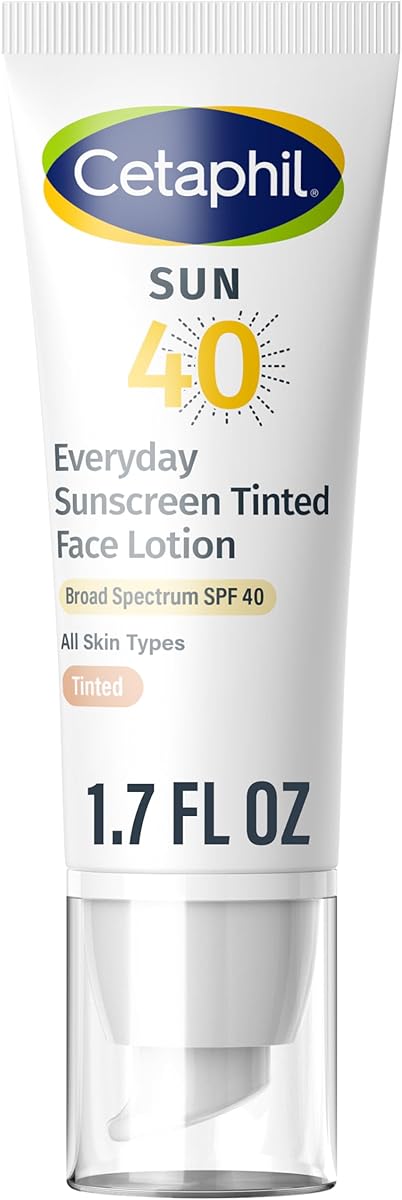
When selecting a tinted mineral sunscreen like Cetaphil's SPF 40 formula, the primary considerations extend beyond basic sun protection. This specific product combines 100% mineral filters (zinc oxide and titanium dioxide) with a universal tint, targeting users who need gentle, non-irritating protection with subtle color correction. Buyers should evaluate how the formula's characteristics align with sensitive skin needs and daily wear expectations.
Key Considerations Before Buying
- Assess the tint's universality against your skin tone; mineral sunscreens with iron oxides, like this one, aim to avoid a white cast but may not suit all complexions.
- Evaluate the texture for daily wear under makeup; this lotion formulation is designed to be lightweight but must absorb fully to prevent pilling.
- Consider the 1.7 oz size relative to daily face application; at SPF 40, consistent use will require repurchasing approximately every 1-2 months.
What Our Analysts Recommend
High-quality tinted mineral sunscreens should offer broad-spectrum protection without common irritants like fragrance, alcohol, or chemical filters. Look for a blend of zinc oxide and titanium dioxide that exceeds 10% total concentration for reliable SPF 40 protection. The formula should be non-comedogenic and explicitly tested for sensitive skin, as Cetaphil's brand positioning suggests.
Market Context
Market Overview
The tinted mineral sunscreen market has expanded rapidly, driven by demand for 'clean' beauty and skin-sensitive formulations. Products now compete on offering a natural finish, avoiding the chalky residue historically associated with zinc oxide.
Common Issues
Consistent challenges include limited shade ranges that leave a gray or ashy cast on deeper skin tones, thick textures that feel heavy, and pilling when layered with skincare or makeup. Some mineral formulas can also be difficult to blend completely.
Quality Indicators
Superior products feature micronized minerals for better blendability, added skincare benefits like niacinamide or antioxidants, and fluid textures that mimic a serum or moisturizer. Packaging should be airtight to preserve the stability of mineral filters.
Review Authenticity Insights
Grade A Interpretation
An 'A' authenticity grade with a 7.5% estimated fake review rate indicates a relatively trustworthy review ecosystem for this product. This low percentage suggests the overwhelming majority of the 505 reviews and the 4.3 adjusted rating reflect genuine user experiences.
Trust Recommendation
Focus on the consistent patterns within the high volume of reviews. Given the low fake percentage, recurring comments about the natural finish, suitability for sensitive skin, and blendability are likely reliable indicators of real-world performance.
Tips for Reading Reviews
Prioritize reviews that detail specific use cases, such as wearing under foundation or during exercise, and note any mentions of skin type (rosacea, eczema, oily/dry). Be slightly more critical of reviews that lack detail or seem overly promotional, though their low prevalence here is reassuring.
Expert Perspective
Cetaphil's tinted sunscreen presents a compelling option within the sensitive-skin mineral category, backed by a strong and authentic 4.3-star rating. The product's core strength lies in its brand heritage of gentle formulations, combined with the modern demand for a tinted, cosmetically elegant finish. The analysis suggests high user satisfaction with its primary claims of being non-irritating and effective at eliminating the white cast. However, the 1.7 oz size is a practical consideration for daily users.
Purchase Considerations
This product is best suited for individuals with fair to light-medium skin tones seeking a minimal, 'no-makeup' tint, and for those with reactive skin who prioritize tolerance over a perfect color match. The lotion format may be ideal for normal to dry skin types. Consider your tolerance for potentially needing a separate sunscreen for the neck/chest if the universal tint doesn't match perfectly in those areas.
Comparing Alternatives
Shoppers should compare the texture and tint depth against competitors like EltaMD UV Elements, La Roche-Posay Mineral One, or Hero Cosmetics Force Shield.


