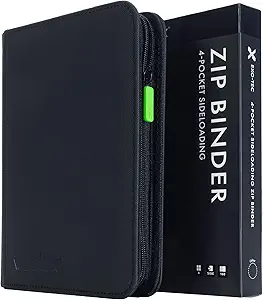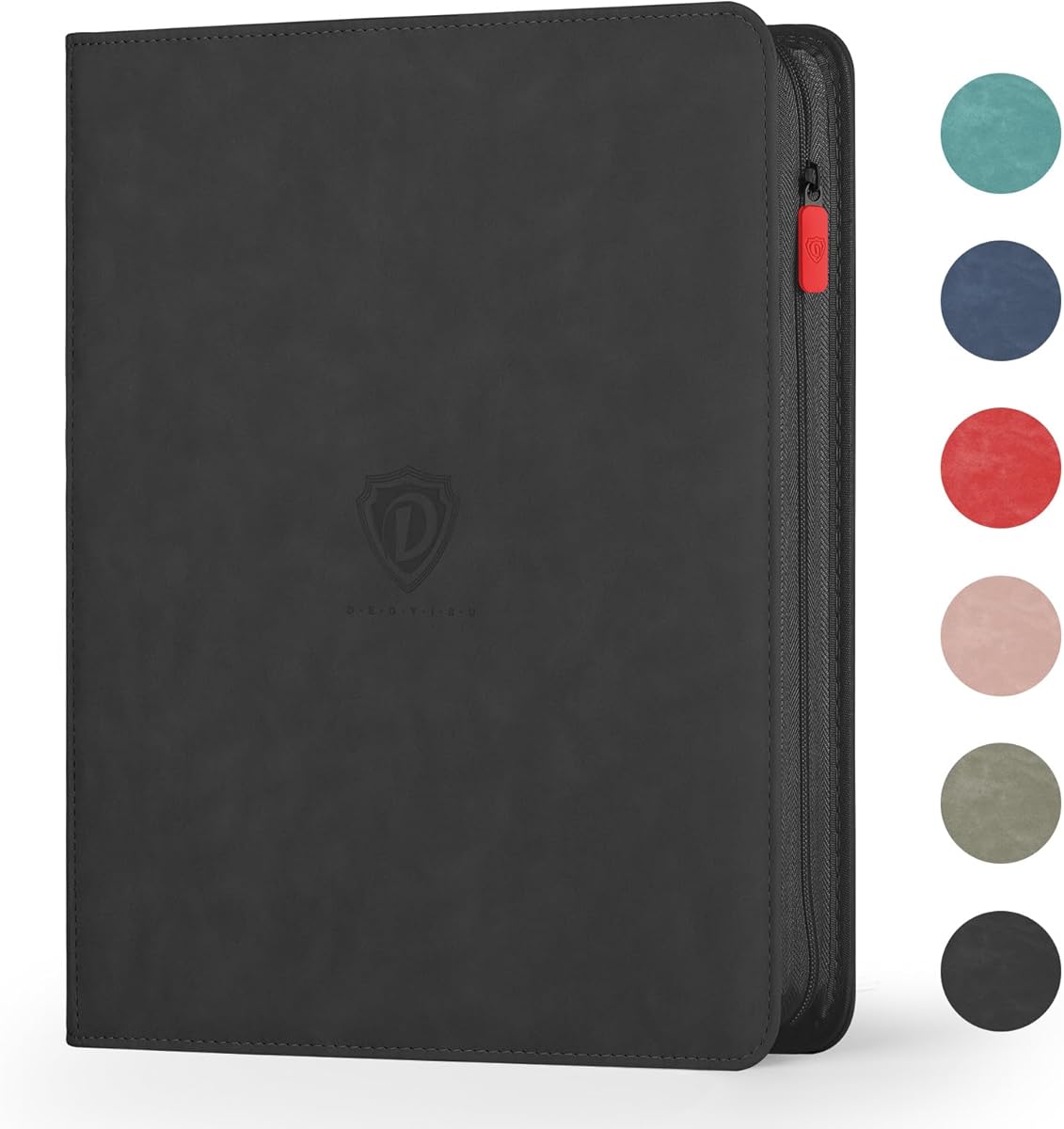
Choosing a 9-pocket binder requires evaluating capacity, protection, and durability
When selecting a 360-pocket binder like this double-sided model, buyers must consider how it balances high-density storage with card safety. This specific binder's 9-pocket-per-page format offers maximum capacity but demands scrutiny of pocket material and spine construction to prevent card damage during regular use.
Key Considerations Before Buying
- Pocket material quality is critical—look for non-PVC, acid-free polypropylene sleeves that won't haze or damage card surfaces over time, especially important for valuable MTG or sports cards.
- Spine design determines longevity; a D-ring or O-ring mechanism with reinforced stitching prevents page sagging and maintains alignment when fully loaded with 360 cards.
- Page turning mechanics should allow smooth flipping without cards slipping from pockets, particularly crucial for double-sided binders where both sides bear weight.
What Our Analysts Recommend
Examine the pocket seams for reinforced stitching and check that pocket openings are angled downward to prevent card slippage. Quality binders feature rigid front/back covers with at least 2mm thickness to protect against bending, and the zipper closure should glide smoothly without catching on interior pages.
Albums Market Context
Market Overview
The trading card storage market has shifted toward high-capacity binders as collections grow, with 9-pocket formats becoming standard for serious collectors. Premium materials like archival-safe polypropylene now differentiate products, replacing the vinyl pages that previously dominated the category.
Common Issues
Low-quality binders suffer from pocket stretching that allows cards to slide out, weak spine mechanisms that fail under full capacity, and materials that off-gas chemicals damaging to card surfaces. Many budget options use flimsy covers that offer inadequate protection against bending.
Quality Indicators
Superior binders feature welded pocket seams rather than glued edges, use YKK or equivalent quality zippers, and include reinforced corner stitching on pages. The best products specify material composition clearly, avoiding vague terms like 'crystal clear' in favor of 'archival polypropylene'.
Review Authenticity Insights
Grade B Interpretation
The Grade B authenticity rating with 10% estimated fake reviews indicates generally trustworthy feedback, though shoppers should remain cautious of outlier praise. The adjusted 4.60/5 rating from verified purchases provides a more reliable benchmark than the raw 4.89/5 average.
Trust Recommendation
Focus on reviews discussing specific binder features like pocket tightness, zipper quality, or page turning experience rather than generic praise. The 100% verified purchase status increases credibility, but cross-reference mentions of long-term durability since most reviews likely reflect initial impressions.
Tips for Reading Reviews
Prioritize reviews that mention actual card types stored (MTG, sports cards) and note how the binder handles different card thicknesses. Look for detailed observations about pocket depth—shallow pockets expose card tops to damage, while overly deep pockets make retrieval difficult.
Expert Perspective
This binder's exceptionally high rating suggests it performs well in core functions, though the authenticity analysis warrants tempered expectations. The 360-pocket capacity appeals to collectors needing to consolidate multiple smaller binders, but the double-sided design requires careful handling to avoid stressing the spine. The black color choice is practical for hiding wear but makes interior card visibility dependent on good lighting.
Purchase Considerations
Weigh whether you truly need 360-pocket capacity—this volume creates substantial weight when full, potentially making transport cumbersome. Consider if you'll access cards frequently or primarily need archival storage, as repeated page turning in densely packed binders accelerates wear on pocket edges and binding mechanisms.
Comparing Alternatives
Compare this model's pocket material specifications against competitors offering similar capacity, particularly regarding thickness (measured in mil) and archival certifications.