
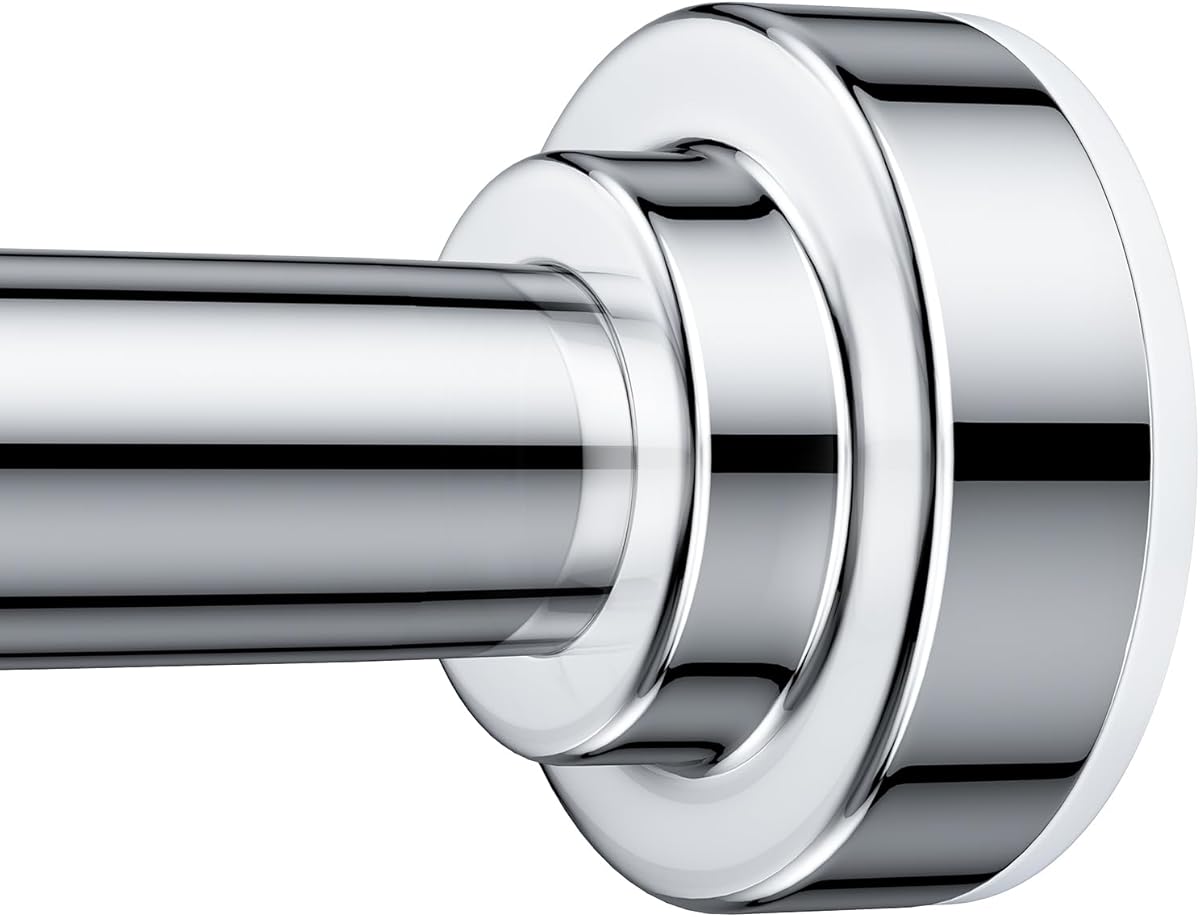
Evaluating Tension Shower Rods: What the TEECK Spring-Loaded Design Promises
The TEECK rod is a spring-tension model that claims to install without drilling, spanning 27 to 76 inches. Buyers considering this specific product should scrutinize its 'never rust' and 'never collapse' claims, which are critical for a fixture under constant moisture and pressure. The adjustable spring mechanism is central to its function, making installation ease and long-term stability key evaluation points.
Key Considerations Before Buying
- For a tension rod like the TEECK, the spring's internal tension and the quality of the end caps' anti-slip material are paramount; a weak spring or slick caps will cause slippage and collapse.
- The 'never rust' claim hinges on the actual metal alloy and finish; in a humid bathroom, inferior chrome plating over cheap steel will inevitably corrode at stress points.
- The advertised 27-76 inch range requires verification—a rod stretched to its maximum extension often has significantly reduced holding power and stability.
What Our Analysts Recommend
Quality tension rods feature robust, tightly coiled springs and end caps with substantial rubber or silicone padding that deforms to grip textured tile. Look for consistent, heavy-gauge tubing (not thin, easily dented metal) and smooth, burr-free adjustment mechanisms. A quality finish should have a uniform, deep chrome or nickel plating without thin spots.
Shower Curtain Rods Market Context
Market Overview
The no-drill tension rod market is saturated with nearly identical products making similar claims of rust-proofing and anti-slip performance, often from brands with little established reputation. Competition is fierce on price, which can lead to corner-cutting on materials like using lightweight aluminum or thin-gauge steel with poor plating.
Common Issues
Premature failure in this category typically manifests as spring fatigue (losing tension), finish peeling or rusting at the ends or adjustment points, and end caps that harden, crack, or slip on glossy tile. Collapse often occurs not from immediate failure but from gradual loss of friction or spring power.
Quality Indicators
Beyond marketing claims, indicators include weight (heavier rods often use thicker metal), the feel of the spring resistance when extending it, and the quality of the rubber ends—thick, soft, and high-friction is best. Reviews mentioning multi-year use without issue in high-humidity bathrooms are a strong signal.
Review Authenticity Insights
Grade F Interpretation
A Grade 'F' with a 100% estimated fake review rate means our analysis found zero trustworthy reviews for this TEECK rod; the perfect 4.63/5 rating is artificially constructed. This suggests the product's market performance cannot be assessed from its existing review profile.
Trust Recommendation
Given the complete lack of authentic reviews, we recommend treating all positive performance claims—especially about long-term rust resistance and anti-slip reliability—as unverified marketing. Consider this product to have no reliable consumer feedback upon which to base a purchase decision.
Tips for Reading Reviews
For tension rods, be highly skeptical of reviews that only praise 'easy installation' without mentioning longevity, stability over months, or performance with heavy curtain liners. Look for detailed reviews discussing specific bathroom conditions (e.g., 'on my glossy subway tile') and mention of any gradual slippage or finish degradation.
Expert Perspective
The extreme discrepancy between the advertised 4.63-star rating and the 100% fake review analysis renders the TEECK rod's published reputation meaningless. Without authentic feedback, its core claims of 'never rust' and 'never collapse' are entirely unsubstantiated by consumers. In the tension rod category, where failure modes are predictable (slippage, rust), the absence of genuine long-term use reviews is a major red flag. The product exists in a credibility vacuum created by its own review profile.
Purchase Considerations
Weigh the risk of purchasing a product with no verified performance history against the convenience of a no-drill solution. The critical question is whether you are willing to be the de facto tester for its spring durability and corrosion resistance in a wet environment. The lack of authentic data means you assume all potential failure risks.
Comparing Alternatives
Shoppers should prioritize comparing this product to tension rods with verified, authentic review histories that discuss performance beyond the first week of installation.


