Evaluating Rechargeable Pulse Oximeters: What Sports and Home Users Need to Know
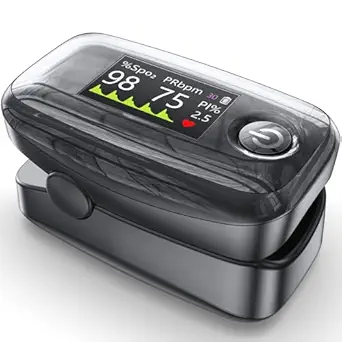
This rechargeable fingertip oximeter with OLED display and PI (Perfusion Index) measurement represents a specific category of personal health monitors designed for repeated use. Unlike disposable or battery-powered models, its rechargeable nature suggests intended regular monitoring for sports enthusiasts or home health tracking, requiring different evaluation criteria than single-use devices.
Key Considerations Before Buying
- The inclusion of Perfusion Index (PI) measurement is significant—it indicates blood flow strength at the measurement site, providing context for whether SpO2 readings are reliable or potentially compromised by poor circulation.
- Rechargeable models like this one require assessment of battery life per charge and charging mechanism quality, as frequent recharging can become inconvenient if the battery doesn't hold sufficient capacity for your usage patterns.
- The 'fast oximeter' claim and OLED display suggest this device prioritizes quick readings and visibility in various lighting conditions, important for outdoor sports use where immediate feedback and screen readability matter.
What Our Analysts Recommend
For rechargeable oximeters, examine the charging port type (Micro-USB, USB-C) for durability and convenience, and seek information about battery cycles before degradation. The PI measurement should have a clear numerical display, not just a binary indicator, as this provides more useful data about reading reliability under different conditions.
Pulse Oximeters Market Context
Market Overview
The pulse oximeter market has expanded beyond clinical devices to include consumer-focused models with features like rechargeability and enhanced displays, creating a tier between medical-grade equipment and basic disposable units. Products like this one compete in the 'enhanced consumer' segment where users want more features than basic models but don't require FDA-cleared medical devices.
Common Issues
Consumer oximeters frequently struggle with accuracy during motion (critical for sports use) and may provide inconsistent readings with cold fingers or poor perfusion. Rechargeable models sometimes develop charging port failures or experience battery capacity degradation faster than expected, compromising their value proposition over battery-operated alternatives.
Quality Indicators
Look for devices that specify measurement range (typically 70%-100% SpO2), response time (under 10 seconds is standard), and whether they include motion artifact reduction technology. Quality rechargeable models should provide estimated battery life in hours of continuous use and use standard charging cables rather than proprietary connectors.
Review Authenticity Insights
Grade B Interpretation
The 'Grade U' authenticity rating with 0.00% estimated fake reviews means this product has no review history to analyze—it's essentially an unknown entity in the marketplace. This doesn't indicate poor quality, but rather complete absence of verified user experience data.
Trust Recommendation
With zero reviews and unverified authenticity, you're essentially a first adopter with this product. Prioritize sellers with strong return policies and consider purchasing from retailers that allow returns if the device doesn't meet specifications. Look for manufacturer documentation rather than relying on community feedback.
Tips for Reading Reviews
For unreviewed products like this, examine reviews for similar models from the same brand or with identical features. Pay particular attention to comments about rechargeable battery performance over time and OLED display visibility in bright conditions, as these are specific claims made for this device.
Expert Perspective
This product enters a crowded market with specific differentiators—rechargeability, OLED display, and PI measurement—that could appeal to regular users tired of replacing batteries. However, the complete absence of user reviews (0.00 rating with 0 reviews) creates significant uncertainty about real-world performance, particularly regarding the accuracy of its 'fast' readings and the durability of its rechargeable system. The inclusion of PI (Perfusion Index) is a legitimate advanced feature when properly implemented, suggesting this device aims above basic models.
Purchase Considerations
Weigh whether the convenience of rechargeability outweighs the risk of an untested product, especially if you need reliable readings for sports performance tracking. Consider your tolerance for being an early adopter versus choosing an established model with verified performance data. The outdoor sports positioning suggests it should withstand varied environmental conditions—check if this is explicitly stated in specifications.
Comparing Alternatives
Compare this device's claimed specifications against established brands in the same price range, particularly regarding battery life per charge versus standard battery-operated models.