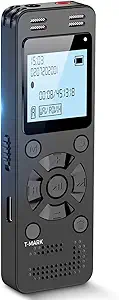
Wearable AI Recorders: What to Know Before You Buy
Wearable AI voice recorders like the Plaud NotePin S promise hands-free capture and instant transcription, but they occupy a niche between traditional digital recorders and smartphone apps. Understanding how these devices balance portability, battery life, and AI processing will help you decide if one fits your workflow.
Key Considerations Before Buying
- Wearability and comfort: The NotePin S is designed to be worn on the body, so consider how it attaches (clip, lanyard, or magnet) and whether it will stay secure during movement. A device that shifts or feels bulky may discourage daily use.
- Transcription accuracy and language support: AI transcription is only as good as its microphone and software. Check whether the NotePin S supports your accent and language, and whether transcription happens on-device or requires a subscription—ongoing costs can add up.
- Battery life and charging: Wearable recorders often trade battery capacity for size. The NotePin S may need frequent charging, so look for real-world battery estimates from reviews and consider whether a charging case or cable is convenient for your routine.
What Our Analysts Recommend
Prioritize clear microphone specifications and noise-handling features, as these directly impact transcription quality. Look for a companion app with a straightforward interface and export options, since locked ecosystems can limit how you use your recordings. Finally, check the warranty and customer support reputation, as firmware updates and app compatibility are critical for long-term satisfaction.
Digital Voice Recorders Market Context
Market Overview
The digital voice recorder market is evolving rapidly, with AI-powered wearables like the Plaud NotePin S blurring the line between hardware and software services. While traditional recorders focus on storage and battery, these new devices emphasize transcription, summarization, and cloud integration—often requiring subscriptions for full functionality.
Common Issues
Common complaints in this category include inaccurate transcriptions in noisy environments, short battery life, and confusing app interfaces. Privacy is another concern, as recordings may be uploaded to cloud servers for processing, raising questions about data security and retention policies.
Quality Indicators
A quality AI recorder should offer reliable transcription in varied conditions, a durable and comfortable design, and transparent data practices. Look for devices with on-device processing options, clear subscription terms, and a track record of timely software updates to ensure longevity.
Review Authenticity Insights
Grade B Interpretation
The B authenticity grade and 12% estimated fake review percentage indicate that while most reviews are genuine, a notable minority may be incentivized or fabricated. This is typical for new tech products, where early hype can attract manipulative reviews, but it means you should read with some skepticism.
Trust Recommendation
Focus on reviews that detail specific use cases, mention both pros and cons, and include photos or videos. Verified purchase badges help, but cross-reference with independent tech forums or YouTube reviews to get a fuller picture before buying the Plaud NotePin S.
Tips for Reading Reviews
For wearable AI recorders, pay attention to comments about real-world battery life, transcription accuracy in different environments, and app reliability. Reviews that only praise the concept without concrete examples may be less trustworthy; look for those that describe actual meetings, lectures, or interviews.
Expert Perspective
The Plaud NotePin S sits at the intersection of convenience and cutting-edge AI, appealing to professionals who need quick, hands-free note capture. Its 4.0-star rating (3.8 adjusted) suggests solid performance but not perfection, likely due to trade-offs in battery or transcription accuracy. The relatively high review volume indicates market interest, but the 12% fake review estimate warrants careful reading. Overall, it's a promising tool for early adopters willing to navigate its limitations.
Purchase Considerations
Weigh the cost of the device against potential subscription fees for transcription and summarization, as these can significantly increase the total expense. Consider whether you need a dedicated wearable or if a smartphone app suffices; the NotePin S shines in situations where pulling out a phone is impractical. Also, assess the return policy and warranty, as software-dependent devices can have evolving functionality.
Comparing Alternatives
Before committing, compare the Plaud NotePin S with other AI wearables like the Limitless Pendant or traditional recorders such as the Sony ICD series, which may offer better battery life or audio quality without AI features.