
Turmeric Ginger Tea: How to Choose a Potent, Natural Wellness Blend
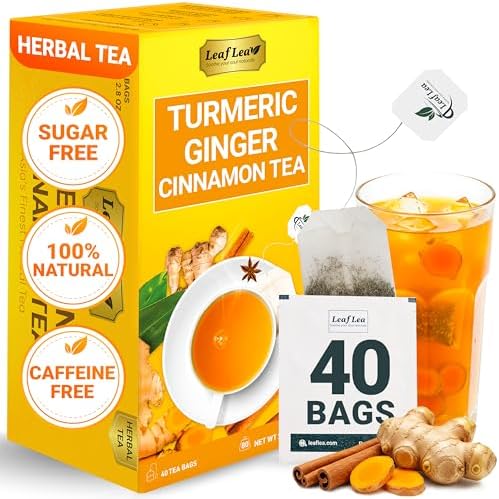
Turmeric ginger tea has gained popularity for its anti-inflammatory and digestive benefits, but not all blends are created equal. When choosing a product like the LeafLea 40 Turmeric Ginger Cinnamon Tea Bags, you want to ensure you're getting 100% natural ingredients without hidden additives or artificial flavors. This guide will help you navigate key factors like ingredient sourcing, caffeine content, and packaging freshness.
Key Considerations Before Buying
- Ingredient purity: Look for teas that list turmeric, ginger, and cinnamon as whole ingredients without fillers or synthetic preservatives. LeafLea's claim of 100% natural ingredients is a strong starting point, but verify that no 'natural flavors' or additives are hidden in the fine print.
- Caffeine and sugar content: For a wellness-focused tea, confirm it's caffeine-free and unsweetened, as LeafLea specifies. This ensures it won't interfere with sleep or add empty calories, making it suitable for daily consumption or evening routines.
- Packaging for freshness: Individually wrapped tea bags, like those from LeafLea, help preserve flavor and potency by protecting against moisture and air. This is especially important for spices like turmeric, which can lose their active compounds when exposed to light or humidity.
What Our Analysts Recommend
High-quality turmeric ginger teas should have a vibrant golden color and a strong, earthy aroma from the spices, indicating fresh ingredients. Check for clear labeling of the spice origin or organic certification, and prefer brands that provide detailed brewing instructions to maximize flavor extraction.
Herbal Market Context
Market Overview
The herbal tea market, particularly turmeric-based blends, has seen steady growth as consumers seek natural remedies for inflammation and digestion. With numerous brands competing, differentiation often comes from ingredient quality, packaging, and transparency about sourcing. LeafLea enters this space with a straightforward blend targeting wellness-focused buyers.
Common Issues
A common problem with turmeric teas is a weak or muddy flavor due to low-quality spices or improper ratios. Additionally, some products use 'natural flavors' to mask cheap ingredients, or they contain added sugars that undermine health benefits. Buyers should also watch for misleading marketing claims about 'detox' or 'healing' properties without scientific backing.
Quality Indicators
Look for teas with visible spice particles in the bag, a clear ingredient list with no artificial additives, and packaging that includes a best-by date or lot number for traceability. Third-party certifications like vegan, non-GMO, or organic further indicate quality control. Customer reviews that mention consistent taste and noticeable effects are also positive signals.
Review Authenticity Insights
Grade B Interpretation
A Grade B with an estimated 10% fake review rate suggests that while the vast majority of the 2,295 reviews are genuine, a small portion may be unreliable. This is typical for popular products on Amazon, but the high volume of verified purchases and balanced feedback (including some critical reviews) supports overall trustworthiness. The adjusted rating of 4.40 out of 5.0 reflects a realistic assessment after accounting for potential noise.
Trust Recommendation
You can feel confident relying on the core sentiment from verified buyers, especially those who describe specific experiences like taste, brewing method, or health benefits. However, be cautious of overly glowing five-star reviews with generic language or no personal details. Focus on reviews that mention the product's flavor profile, packaging, and whether it met expectations for wellness use.
Tips for Reading Reviews
When reading reviews for herbal teas, prioritize those that discuss the intensity of the spices, the tea's color after brewing, and any noticeable effects on digestion or inflammation. Also look for feedback on the individual wrapping—whether it maintains freshness. Ignore reviews that sound like marketing copy or that rate the product without using it.
Expert Perspective
Based on the analysis data, the LeafLea 40 Turmeric Ginger Cinnamon Tea Bags appear to be a solid choice for consumers seeking a natural, caffeine-free herbal tea with a focus on wellness. The high customer rating (4.67 stars from nearly 2,300 reviews) and strong authenticity signals (verified purchases, balanced perspectives) suggest that most buyers are satisfied with the taste and quality. However, the 10% estimated fake review rate and Grade B authenticity score indicate that some feedback may be inflated, so it's wise to cross-reference with detailed reviews. The product's key differentiators—100% natural ingredients, no sugar, and individual wrapping—align well with current consumer preferences for clean-label, convenient wellness products.
Purchase Considerations
Consider your personal taste preferences: if you enjoy a strong, spicy tea with a golden hue, this blend is likely a good fit. Also think about usage—whether for daily hydration, post-meal digestion, or as a caffeine-free alternative to coffee. The 40-bag count offers good value for regular drinkers, but you may want to compare pricing per bag with similar products from brands like Yogi or Traditional Medicinals.
Comparing Alternatives
For shoppers wanting more variety, consider comparing LeafLea with other turmeric-based teas that offer organic certification or additional ingredients like black pepper for enhanced curcumin absorption. Always check ingredient lists and customer feedback to ensure consistency with your wellness goals.


