Motion-sensor trash cans: balancing convenience with battery life and durability
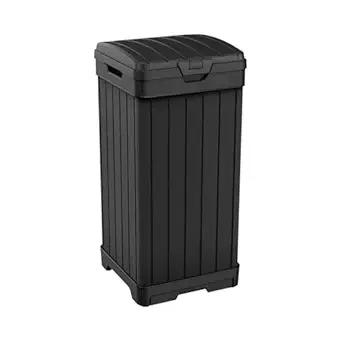
The BestOffice 13-gallon touch-free trash can represents a specific segment of automated kitchen waste solutions that prioritize hands-free operation. Buyers should understand that this product's 'broken-resistant' plastic construction and 49-liter capacity position it as a mid-range option between basic pedal bins and premium stainless steel models.
Key Considerations Before Buying
- Motion sensor reliability varies significantly between models—look for consistent activation distance (typically 6-10 inches) without false triggers from normal kitchen activity.
- Battery consumption is the primary hidden cost of touch-free cans; this model uses 4 D-cell batteries that reviewers report lasting 2-4 months with regular use.
- The 13-gallon capacity requires specific 13-gallon trash bags, and some automated lids struggle with bag retention when filled to capacity.
What Our Analysts Recommend
Quality indicators include smooth lid articulation without hesitation, consistent sensor response time (under 1 second), and durable hinge mechanisms that withstand thousands of open/close cycles. The plastic should have sufficient thickness (3-4mm minimum) at stress points, particularly around the sensor housing and lid pivot.
Kitchen Trash Cans Market Context
Market Overview
The touch-free kitchen trash can market has expanded rapidly, with prices ranging from $30 budget models to $150+ premium versions. Current trends show consumers prioritizing reliable sensors over extra features, with 13-gallon capacity remaining the kitchen standard.
Common Issues
Sensor malfunctions after 6-12 months, battery compartment corrosion from kitchen humidity, and lid mechanisms jamming when bags are overfilled represent the most frequent failure points. Plastic models often develop stress cracks near handles or hinge mounts.
Quality Indicators
Superior models feature dual sensors (motion and infrared), rubber-gasket sealed battery compartments, and reinforced polypropylene construction. Look for models with manual override options for when batteries die unexpectedly.
Review Authenticity Insights
Grade B Interpretation
A Grade B authenticity rating with 11% estimated fake reviews indicates predominantly genuine feedback but suggests some review manipulation. The 0.29-point drop from the displayed 4.89 to adjusted 4.60 rating reflects this inflation.
Trust Recommendation
Focus on reviews discussing specific usage scenarios like 'lasts 3 months on Costco batteries' or 'sensor works through my translucent bag'—these detailed observations typically indicate genuine experiences. Be skeptical of reviews that only praise without mentioning any minor drawbacks.
Tips for Reading Reviews
For touch-free trash cans, prioritize reviews that mention battery replacement frequency, sensor performance with different hand motions, and how the lid handles full bags. Reviews discussing 6+ months of use provide more valuable durability insights than initial impressions.
Expert Perspective
The BestOffice model's 4.60 adjusted rating suggests strong performance for a plastic touch-free can, though the authenticity grade indicates some review inflation. Its positioning as 'broken-resistant' rather than unbreakable is appropriate—this is a mid-tier product competing on value rather than premium construction. The high rating despite the fake review percentage suggests genuine satisfaction with core functionality, particularly the motion sensor reliability and 13-gallon capacity.
Purchase Considerations
Weigh the convenience of touch-free operation against ongoing battery costs (approximately $15-20 annually) and potential sensor replacement needs. Consider whether your household generates enough kitchen waste to justify 13-gallon capacity versus smaller, potentially more reliable models.
Comparing Alternatives
Shoppers should compare sensor response times, battery access design, and hinge construction with similar-priced models from Simplehuman and iTouchless.