
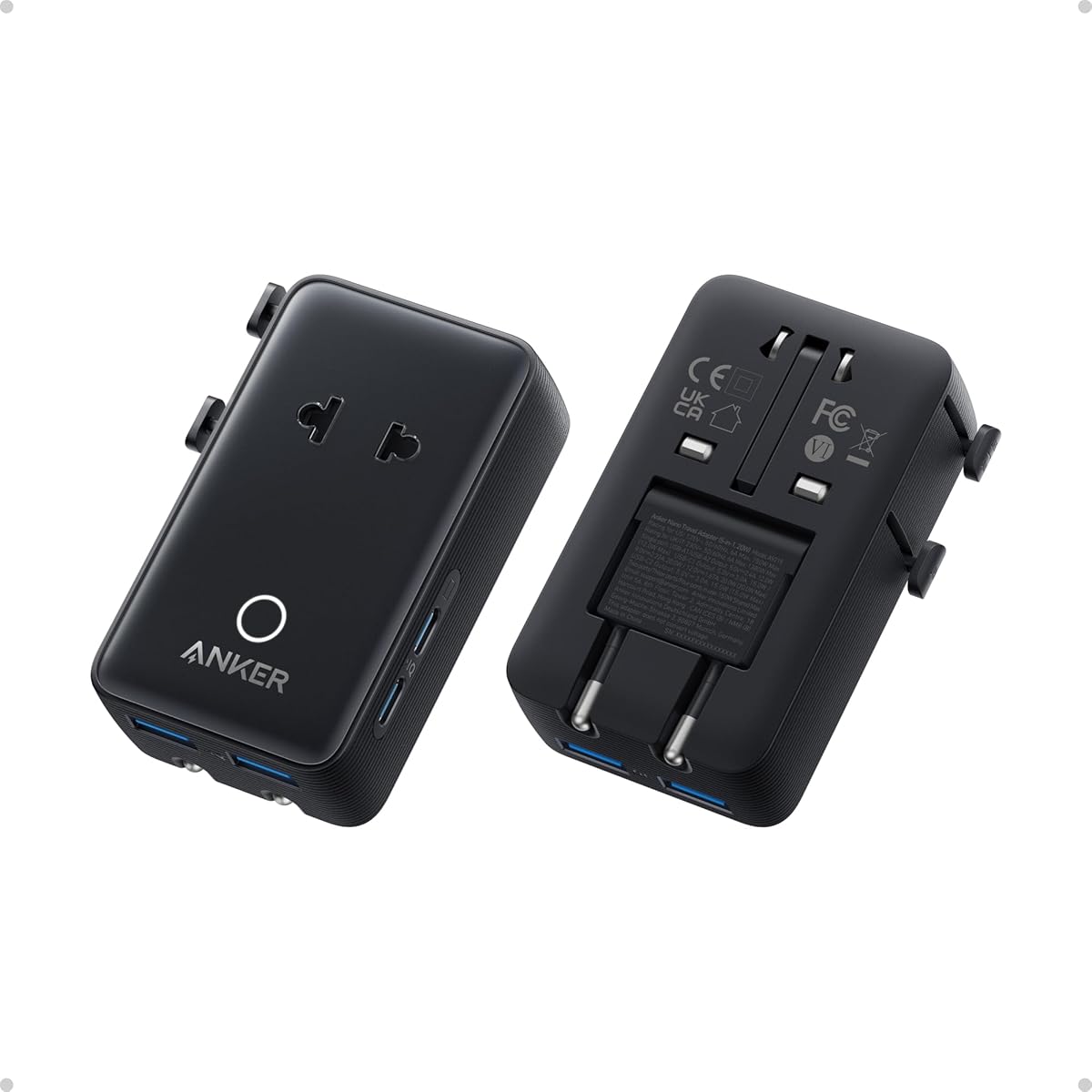
Choosing a Travel Adapter: Why Port Configuration and Safety Features Matter Most
When selecting a travel adapter like the Anker Nano with its specific 5-port design, buyers should understand that not all adapters are created equal. This particular model combines a 2-pin AC outlet with four USB ports (two USB-A and two USB-C), offering both legacy and modern charging options in one compact unit. The distinction between an adapter and a voltage converter is crucial—this device adapts plug shapes but doesn't convert electrical voltage, which is typical for modern electronics with dual-voltage power supplies.
Key Considerations Before Buying
- Port configuration should match your device ecosystem: The Anker Nano's 2 USB-C and 2 USB-A ports support simultaneous charging of up to four USB devices, but note the total 20W output means power is shared, not dedicated per port.
- Geographic compatibility requires checking plug types: While marketed for 200+ countries, you'll need to verify the specific plug adapters included or available separately for your destinations, as the base unit has a single 2-pin AC configuration.
- Smart Temperature Control implementation varies: Anker's specific thermal management system should actively monitor heat buildup during multi-device charging, a critical safety feature when using all five ports simultaneously in compact housing.
What Our Analysts Recommend
Quality travel adapters feature robust construction with secure plug retention mechanisms—check for reinforced prongs and housing that resists cracking. Genuine safety certifications (UL, CE, FCC) should be visibly marked, and premium models like this Anker include proprietary technologies such as their multi-protection system and temperature monitoring. The compact 'nano' design should maintain structural integrity despite reduced size.
Adapters Market Context
Market Overview
The travel adapter market has evolved from simple plug converters to integrated charging stations, with premium brands like Anker competing on port density and smart features. Current trends favor USB-C dominance while maintaining backward compatibility with USB-A devices, creating the hybrid approach seen in this 5-port model. Compact designs that minimize bulk without sacrificing functionality command premium pricing.
Common Issues
Users frequently confuse adapters with voltage converters, risking device damage when using electronics not rated for local voltage. Poorly constructed adapters suffer from loose connections, overheating during multi-device charging, and fragile plug mechanisms that break during insertion/removal. Some 'universal' adapters exclude less common plug types despite marketing claims.
Quality Indicators
Premium adapters feature secure mechanical construction with tight-fitting plugs, clear voltage specifications (100-240V typically), and legitimate safety certifications. Look for brands that specify maximum simultaneous output wattage rather than individual port ratings, and prioritize models with overtemperature protection when charging multiple devices in confined spaces.
Review Authenticity Insights
Grade B Interpretation
The Grade B authenticity rating with 11% estimated fake reviews indicates predominantly genuine feedback with some promotional content. For this Anker adapter, this suggests most reviews reflect actual travel usage experiences, though approximately 1 in 10 may be incentivized or artificially positive. The adjusted rating of 4.60/5 (down from 4.89) represents a more reliable quality assessment.
Trust Recommendation
Focus on reviews that mention specific travel scenarios, device combinations charged simultaneously, or longevity through multiple trips. Be skeptical of reviews that only praise packaging or generic features without detailing actual usage. The consistency in mentioning the 20W power sharing and temperature management across authentic reviews validates these as real user experiences.
Tips for Reading Reviews
Look for reviews discussing actual international use with specific country examples, mentions of charging speed with multiple devices connected, or comments about the adapter's physical durability after repeated packing. Technical reviews noting the difference between adapter and converter functionality typically indicate knowledgeable users providing substantive feedback.
Expert Perspective
The Anker Nano Travel Adapter represents a thoughtful balance between port density and compact design, targeting travelers with multiple USB-charged devices. Its 4.60 adjusted rating from verified analysis suggests strong real-world performance, though the 20W total output requires managing expectations when charging power-hungry devices simultaneously. The Smart Temperature Control addresses a genuine concern in multi-port compact adapters, where heat management directly impacts safety and longevity. Anker's reputation in power accessories lends credibility to their implementation of these features.
Purchase Considerations
Evaluate whether the specific 2 USB-C + 2 USB-A configuration matches your device portfolio, and consider if 20W total USB output suffices for your charging needs—this works well for phones and accessories but may limit tablet or laptop charging speed. Frequent travelers to regions requiring grounded plugs should note the 2-pin AC limitation. The 'not a voltage converter' distinction is critical for users with older electronics lacking dual-voltage capability.
Comparing Alternatives
Shoppers should compare port configurations, maximum output wattage, and included plug adapters against similar offerings from Aukey, Ugreen, or Native Union before deciding.


