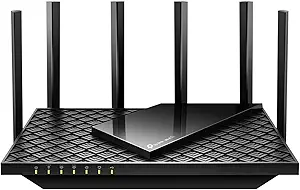
ASUS RT-BE86U: Is This Dual-Band WiFi 7 Router Right for Your Home?
WiFi 7 routers like the ASUS RT-BE86U represent the cutting edge of home networking, offering blazing speeds with 4096-QAM and Multi-Link Operation (MLO) for reduced latency. As a dual-band BE6800 class device, this router balances next-gen performance with practical features like AiMesh and subscription-free security, making it a compelling choice for gamers and smart home users alike. Before you buy, understand how its specs align with your specific needs, from coverage to device compatibility.
Key Considerations Before Buying
- Dual-band vs. tri-band: The RT-BE86U uses dual-band (2.4 GHz and 5 GHz), which simplifies setup but may limit bandwidth for high-device-count homes compared to tri-band WiFi 7 routers. Assess your number of connected devices and usage patterns.
- MLO and 4096-QAM benefits: Multi-Link Operation allows simultaneous data streams across bands for lower lag, ideal for gaming or video calls. 4096-QAM boosts peak speeds, but only with compatible WiFi 7 clients—older devices won't see the full advantage.
- AiMesh and VPN integration: This router supports AiMesh for easy mesh expansion with other ASUS units, and comprehensive VPN features (server and client) for secure remote access. If you plan a mesh network or need VPN flexibility, these are key selling points.
What Our Analysts Recommend
In a WiFi 7 router like the RT-BE86U, prioritize hardware specs such as processor power and port options (e.g., 2.5G LAN for future-proofing). Check for robust security features that don't require subscriptions, like AiProtection Pro, and ensure the router's coverage matches your home size—especially if you avoid mesh add-ons.
Routers Market Context
Market Overview
The WiFi 7 router market is rapidly expanding in 2025, with dual-band BE6800 models like the ASUS RT-BE86U offering a mid-range entry point between budget WiFi 6 gear and premium tri-band flagships. This segment targets early adopters who want next-gen speed without the highest price tag, often including gamer-centric features like MLO and QoS.
Common Issues
Common concerns with early WiFi 7 routers include limited client device support (most phones and laptops still use WiFi 6 or older), potential firmware bugs as standards mature, and heat management under sustained load. Users also report compatibility hiccups with legacy devices on mixed networks.
Quality Indicators
Look for routers with strong processor specs (e.g., quad-core CPUs), multiple 2.5G or 10G Ethernet ports, and proven brand track records for firmware updates. Subscription-free security suites and positive user feedback on stability over months of use are also reliable quality signals.
Review Authenticity Insights
Grade B Interpretation
The B grade and 10% estimated fake review rate indicate that the majority of the 279 reviews are genuine, but a small subset may be incentivized or unreliable. This is typical for a popular router launch, where early adopters and promotions can skew feedback slightly—still, you can trust the bulk of user experiences.
Trust Recommendation
Focus on verified purchase reviews that detail specific use cases, such as AiMesh performance or gaming latency. Ignore one-liners or overly vague praise, and cross-reference technical claims (e.g., speed tests) with independent benchmarks for confidence.
Tips for Reading Reviews
For networking products like this, prioritize reviews that mention your intended setup—like multi-device households or gaming rigs. Look for comments on firmware stability over time and any issues with MLO or 4096-QAM, as these are new features that may have teething problems.
Expert Perspective
The ASUS RT-BE86U earns a solid 4.44/5 rating from users, with a slightly adjusted 4.20/5 after filtering suspect reviews—indicating genuine satisfaction but not unqualified hype. Its dual-band design and BE6800 class make it a practical choice for users upgrading from WiFi 6 who want MLO and enhanced security without breaking the bank. However, the 10% fake review rate and B authenticity grade suggest some inflated expectations, so temper your view with critical reading of feedback.
Purchase Considerations
Weigh the RT-BE86U's strengths in gaming and VPN features against its dual-band limitation if you have over 30 devices or need maximum bandwidth. The subscription-free security is a clear plus, but ensure your internet plan exceeds 1 Gbps to leverage the 2.5G ports—otherwise, you may overpay for unused potential.
Comparing Alternatives
Compare this router with tri-band WiFi 7 options like the ASUS GT-BE98 or TP-Link Archer BE800 if you prioritize device density or wired backhaul. For budget-conscious shoppers, a high-end WiFi 6E router might offer similar real-world performance at a lower cost today.