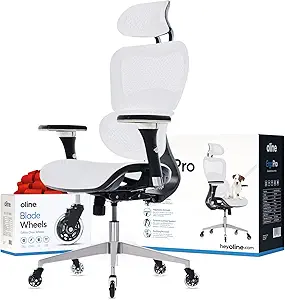
6 Key Factors for an Ergonomic Office Chair with Adaptive Lumbar Support
When shopping for a home office desk chair like the Newtral Ergonomic Office Chair, buyers should prioritize adjustability to prevent discomfort during long work sessions. Key features include adaptive lumbar support that moves with you, a footrest for breaks, and 4D armrests that adjust in height, width, depth, and angle. Understanding these elements helps you choose a chair that supports posture and reduces pain, especially if you experience tailbone or back issues.
Key Considerations Before Buying
- Lumbar support dynamics: Ensure the chair's lumbar support is adaptive, not static, to provide continuous back curve support as you shift positions, reducing strain during extended sitting.
- Seat depth and height adjustability: Look for a chair with adjustable seat depth to accommodate different thigh lengths, preventing pressure behind the knees, and a height range that fits your desk setup.
- Armrest versatility: 4D armrests allow you to position arms at the ideal height and angle for typing or relaxing, which is crucial for shoulder and neck comfort.
What Our Analysts Recommend
Quality indicators in ergonomic chairs include smooth adjustment mechanisms, sturdy base construction (e.g., metal or reinforced nylon), and breathable mesh or high-density foam that maintains shape. Check for certifications like BIFMA for safety and durability, and read user feedback on specific comfort features like the footrest's stability.
Home Office Desk Chairs Market Context
Market Overview
The home office chair market has exploded since 2020, with a surge in demand for ergonomic designs under $500 that offer features once reserved for high-end models. Brands like Newtral compete by integrating adaptive lumbar support and footrests to appeal to remote workers seeking both function and value.
Common Issues
Buyers often face challenges with chairs that lack true adjustability, leading to persistent back pain or poor assembly. Another common issue is durability, where foam cushions flatten or mechanisms fail within a year, highlighting the need for quality materials and clear return policies.
Quality Indicators
To identify a quality ergonomic chair, examine the lumbar support's range of motion—it should follow your spine's natural curve. Also, check for smooth-rolling casters on varied flooring, and a weight capacity that exceeds your needs, which signals robust construction.
Review Authenticity Insights
Grade B Interpretation
The Newtral Ergonomic Office Chair's Review Authenticity Grade of B indicates that 90% of reviews are likely genuine, with an estimated 10% fake rate. This suggests most feedback is reliable, but you should still scrutinize reviews for overly generic praise or identical phrasing, which could indicate manipulation.
Trust Recommendation
Given the 4.00 rating from verified purchasers and the adjusted rating of 3.80, trust the positive reviews but pay attention to any negative feedback about specific features like the footrest or lumbar support. Focus on reviews that detail long-term use, as they offer deeper insights into comfort and durability.
Tips for Reading Reviews
For ergonomic chairs, prioritize reviews that mention specific body types or pain points (e.g., 'tailbone relief' or 'lower back support'), as these indicate real-world testing. Avoid reviews with vague statements like 'great chair' without context, and look for photos or videos that show the chair in use.
Expert Perspective
Based on the analysis, the Newtral Ergonomic Office Chair appears to be a solid mid-range option for home office users, with a genuine 4.00 rating from verified purchasers highlighting its adaptive lumbar support and 4D armrests. The 10% estimated fake review rate is low, suggesting most feedback is credible, and the specific mention of tailbone pain relief in one review adds weight to its ergonomic claims. However, the adjusted rating of 3.80 indicates some minor concerns, possibly around build quality or comfort for larger users, which you should investigate.
Purchase Considerations
Weigh the chair's adjustable features against your workspace: if you need a footrest for breaks or have specific back issues, this chair's adaptive lumbar support is a plus. But consider your body size and typical sitting habits, as the seat depth and height range may not suit everyone, and the footrest's stability could vary.
Comparing Alternatives
Shoppers should compare this chair with other models like the Hbada or Sihoo ergonomic chairs, which offer similar features at competitive prices, to ensure the best fit for their budget and comfort needs.