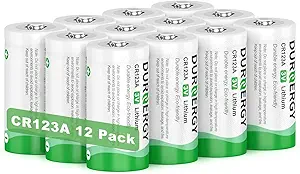
![HW CR123A 3V Lithium Battery, [6-Pack] 1700mAh High Capacity 123 Batteries, 3 Volt CR17345 for Fire Alarm/Range Finder/Smoke Alarm/Smoke Detector/Flashlight,etc. (Non-Rechargeable)](https://m.media-amazon.com/images/I/81C6DlE3QwL._AC_SL1200_.jpg)
Choosing CR123A Lithium Batteries: Capacity, Safety, and Device Compatibility
When selecting CR123A batteries like this HW 1700mAh 6-pack, focus on the specific 3V lithium chemistry required by safety devices. These non-rechargeable batteries power critical equipment where reliability is non-negotiable, making capacity claims and shelf life crucial factors beyond just voltage matching.
Key Considerations Before Buying
- Verify the 1700mAh capacity aligns with your device's runtime needs, as genuine CR123A batteries typically range from 1400-1700mAh for quality brands.
- Check expiration dates since lithium batteries degrade over time, especially important for smoke detectors that may sit unused for years.
- Confirm physical dimensions (CR17345 designation) match your device's compartment, as some budget batteries have slightly different casings that cause fit issues.
What Our Analysts Recommend
Quality CR123A batteries should maintain consistent voltage output throughout their discharge cycle, not just initial power. Look for clear date coding on packaging and anti-corrosion terminal coatings, which are particularly important for low-drain devices like smoke alarms that require stable voltage over extended periods.
3V Market Context
Market Overview
The CR123A market has seen an influx of budget brands like HW competing with established names like Energizer and Panasonic, creating significant price variations. These 3V lithium cells occupy a specialized niche between common alkaline and rechargeable options, primarily serving safety and precision electronics.
Common Issues
Capacity inflation claims plague the budget segment, with some brands labeling 1400mAh cells as 1700mAh. Users frequently report premature failure in high-drain devices like flashlights, where consistent current delivery matters more than maximum capacity ratings.
Quality Indicators
Genuine quality shows in consistent performance across all cells in multi-packs and minimal voltage sag under load. Premium brands invest in hermetic sealing to prevent electrolyte leakage, a critical feature for devices like fire alarms where battery failure could have serious consequences.
Review Authenticity Insights
Grade B Interpretation
The Grade B authenticity rating with 15% estimated fake reviews suggests generally reliable feedback but warrants careful review scrutiny. This level indicates most reviews reflect genuine experiences, though some positive feedback may be artificially boosted.
Trust Recommendation
Focus on verified purchase reviews mentioning specific device performance over time, like 'lasted 14 months in my smoke detector.' Be skeptical of reviews only discussing packaging or delivery speed without detailing actual battery performance in named devices.
Tips for Reading Reviews
Prioritize reviews that mention testing batteries in the specific devices listed in the product title—fire alarms, range finders, or flashlights—as performance varies significantly between high-drain and low-drain applications. Look for mentions of expiration dates and consistent performance across all six cells.
Expert Perspective
The HW CR123A presents as a competitively priced option with strong user ratings (4.50 adjusted from 4.89), though the authenticity analysis suggests some review inflation. The 1700mAh claim pushes the upper limit of typical CR123A capacity, which either represents excellent value or requires verification through independent testing. For non-critical applications where occasional cell failure is acceptable, this pack offers cost savings over premium brands.
Purchase Considerations
Weigh the 15% fake review rate against the substantial number of verified purchases describing successful use in safety devices. Consider whether the approximately 40-cent per battery savings over premium brands justifies potential reliability concerns for life-saving equipment like smoke detectors.
Comparing Alternatives
Compare voltage stability data and leakage guarantees with established brands, as even small performance differences matter in low-power smoke detectors.