Hidden Camera Detector Buying Guide: 5 Sensitivity Levels for Peace of Mind
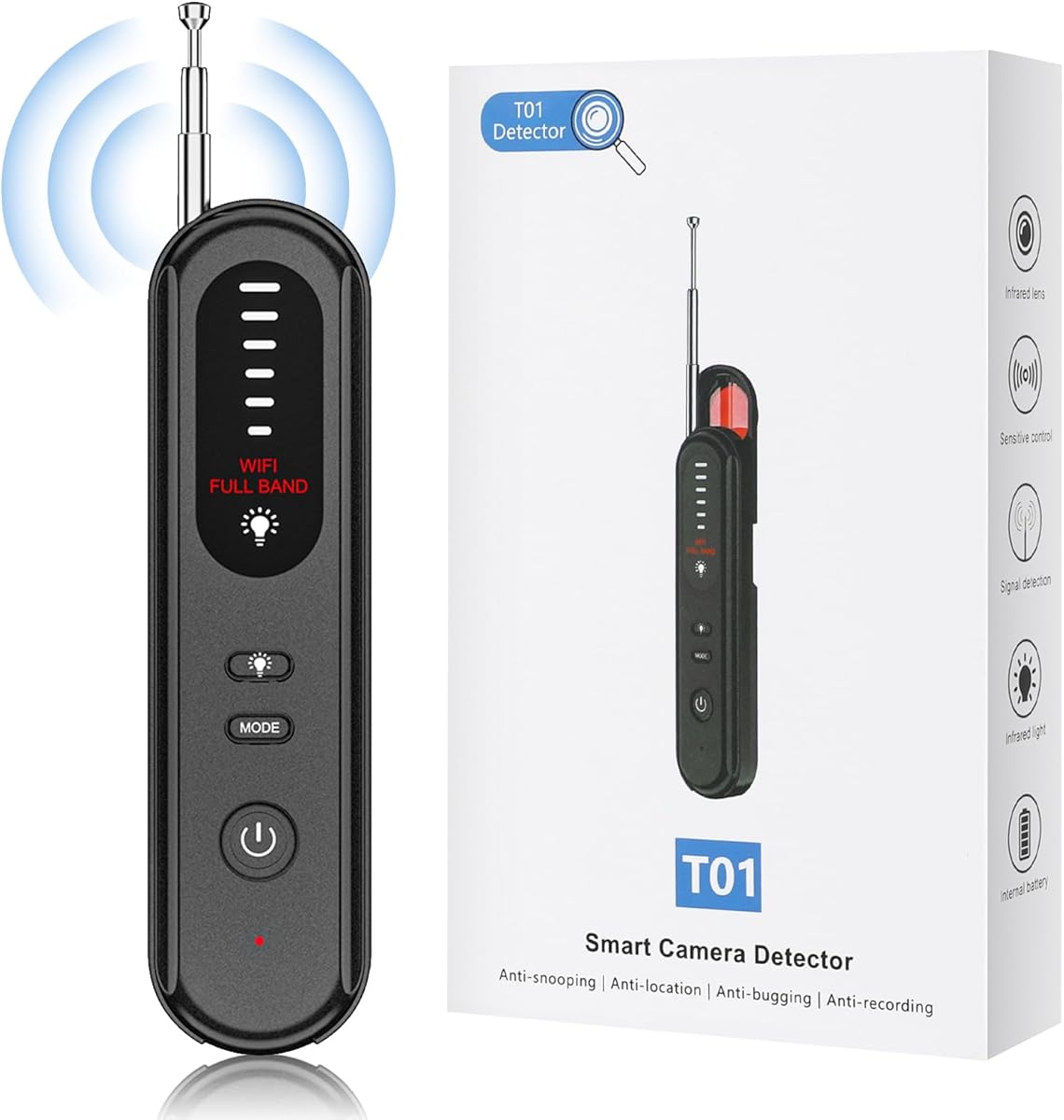
When traveling or working in shared spaces, a reliable hidden camera detector is essential for privacy. This 2025 model combines RF detection, GPS tracking, and bug detection with 5 adjustable sensitivity levels, making it versatile for hotels, offices, and travel. Understanding how sensitivity settings impact detection accuracy is key to avoiding false alarms or missed threats.
Key Considerations Before Buying
- Sensitivity levels matter: Lower settings reduce false positives from household electronics, while higher settings catch faint signals from hidden cameras or GPS trackers. This model’s 5-level adjustment allows you to dial in based on environment.
- Detection range varies: For RF bug detection, this unit scans frequencies from 1MHz to 6.5GHz, covering common spy devices but not all advanced models. Test in a known-clean area first to establish baseline readings.
- Physical inspection still needed: No detector catches all threats—some cameras are wired or off until motion-activated. Use the detector as a first pass, then manually check vents, smoke detectors, and USB chargers.
What Our Analysts Recommend
Quality detectors offer adjustable sensitivity, wide frequency coverage (1MHz–6.5GHz+), and a clear alarm system (LEDs, vibration, or sound). Build materials should feel durable for travel, and include a carrying case or pouch. Check for user-adjustable thresholds to customize for different environments like hotel rooms versus offices.
Safety & Security Market Context
Market Overview
The hidden camera detector market has grown rapidly due to rising privacy concerns and high-profile hotel and Airbnb spying incidents. Most devices now combine RF detection, lens finders, and magnetic field sensors, with prices ranging from $20 to $100. This model sits in the mid-range, competing with brands like KJB and JMDHKK.
Common Issues
Users often report false alarms from Wi-Fi routers, Bluetooth devices, and microwave ovens, which can erode trust in the device. Another common complaint is poor battery life or inconsistent sensitivity across units, leading to missed detections in real-world scenarios.
Quality Indicators
Look for units with independent sensitivity controls for each detection mode (RF, magnetic, lens), a user-replaceable battery, and firmware that can be updated. Verified reviews mentioning specific detection successes (e.g., finding a camera in a smoke detector) are strong quality signals.
Review Authenticity Insights
Grade B Interpretation
A Grade B with 10% estimated fake reviews suggests the product has mostly genuine feedback, but a small minority of reviews may be incentivized or fabricated. This is typical for mid-range electronics on Amazon, where some sellers use early review programs. The 4.11 rating is slightly inflated; the adjusted 3.90 is more realistic for consumer expectations.
Trust Recommendation
Focus on reviews with Verified Purchase badges and those that mention specific use cases (e.g., hotel stays, office sweeps). Be wary of short, overly positive reviews lacking detail about sensitivity settings or detection results. Cross-check with third-party forums or YouTube demos for real-world performance.
Tips for Reading Reviews
Sort reviews by Most Recent to spot any patterns of recent quality changes. Look for mentions of 'false alarm' or 'missed' to gauge reliability. Prioritize reviews that describe testing the device against known cameras (like a home security cam) to validate its effectiveness.
Expert Perspective
This 2025 hidden camera detector offers solid value for casual travelers and office workers seeking basic privacy protection, backed by a largely genuine review base. The 5-level sensitivity is a practical feature, but the adjusted 3.90 rating and 10% fake review rate suggest it may not outperform pricier competitors like the KJB Pro or Defender. Its strength lies in affordability and ease of use, though advanced users might need more granular control.
Purchase Considerations
Weigh the cost against your threat level: for occasional hotel use, this detector is sufficient, but for high-risk environments (e.g., corporate espionage concerns), invest in a model with wider frequency coverage and manual calibration. Consider buying from a retailer with easy returns in case of unit variance.
Comparing Alternatives
Compare with the KJB Security Pro or JMDHKK RF detector for better build quality and lower false alarm rates, especially if you need consistent performance across multiple environments.