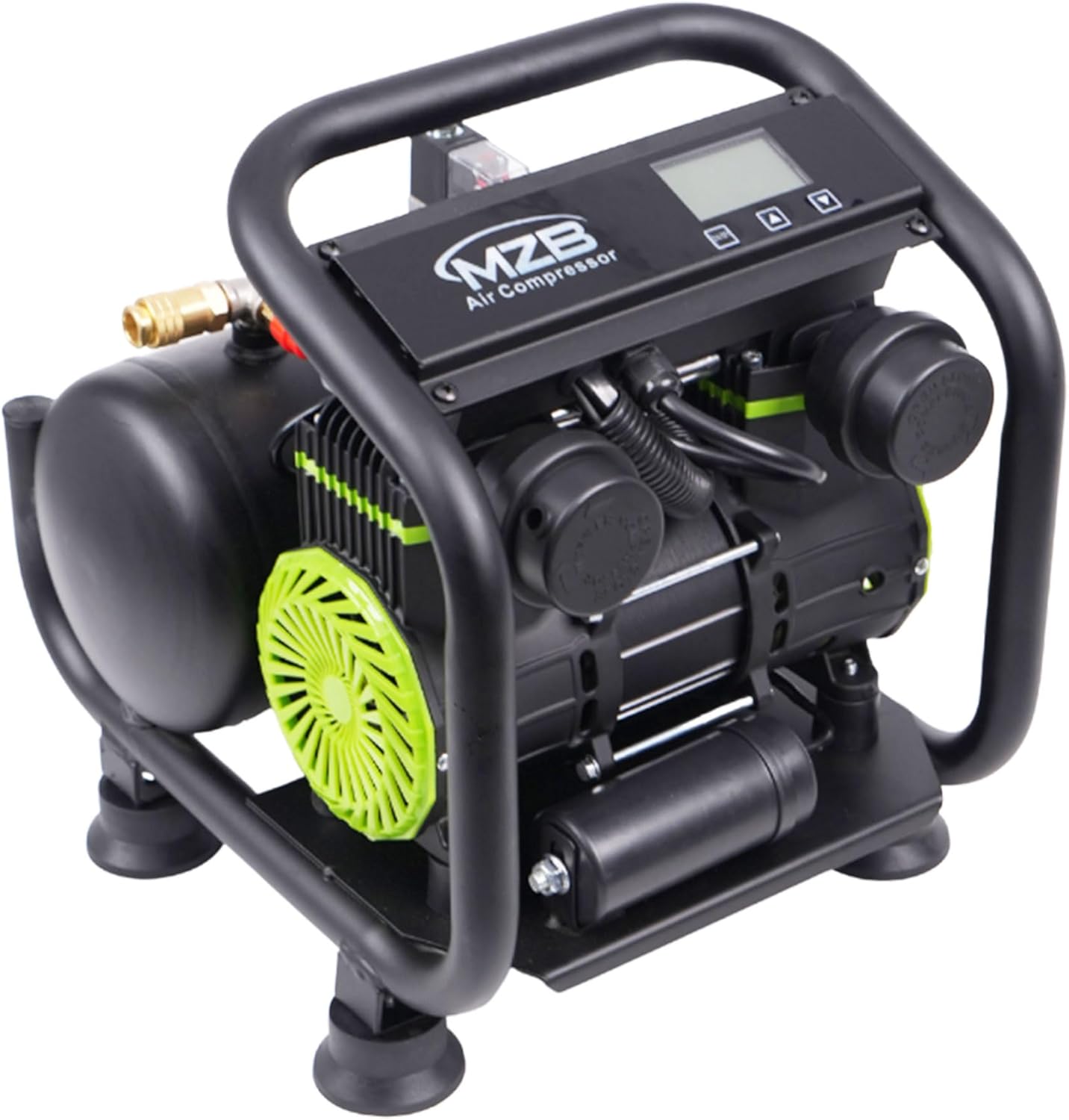
Choosing a Cordless Tire Inflator: Battery Life, Pressure Accuracy, and Portability
When evaluating this specific 150PSI rechargeable tire inflator, focus on its cordless operation and digital gauge precision. Unlike plug-in models, this unit's lithium-ion battery demands assessment of real-world runtime versus advertised capacity, particularly for larger car tires versus smaller bicycle applications.
Key Considerations Before Buying
- Verify the digital pressure gauge's calibration accuracy—some portable compressors drift by 2-3 PSI, which matters for performance tires requiring exact pressure.
- Assess the battery's recharge cycle life and whether it uses a standard USB-C or proprietary charger, as this affects long-term usability and replacement costs.
- Consider the inflation speed for your largest vehicle; a 150PSI rating doesn't guarantee quick fills on SUV tires, and thermal management during extended use is crucial.
What Our Analysts Recommend
Quality cordless inflators feature thermal overload protection and automatic shutoff at target pressure. Check for robust hose connections and metal valve chucks, as plastic components often fail first. The LED work light should be positioned to illuminate the tire valve, not just serve as a marketing feature.
Portable Air Compressors Market Context
Market Overview
The portable cordless inflator market has shifted from niche emergency tools to primary maintenance devices, with lithium-ion technology enabling smaller units like this one to reach 150PSI. Current competition centers on balancing PSI capability with battery size and charge time.
Common Issues
Many models suffer from inaccurate digital gauges that lose calibration, batteries that degrade quickly in cold weather, and plastic hose fittings that crack. Overheating during continuous use is frequent with compact designs trying to achieve high PSI ratings.
Quality Indicators
Superior units incorporate brass valve connectors, clearly display remaining battery percentage, and maintain consistent airflow as pressure increases. Look for detailed specifications about duty cycle—how many minutes of continuous use before requiring cooldown.
Review Authenticity Insights
Grade B Interpretation
A Grade B authenticity rating with 15% estimated fake reviews indicates generally reliable feedback but suggests some incentivized reviews may be present. The adjusted 4.50/5 rating (down from 4.89) better reflects genuine user experiences.
Trust Recommendation
Prioritize reviews discussing specific scenarios like inflating a completely flat truck tire or maintaining bicycle tubeless setups, as these contain verifiable details. Be skeptical of reviews that only praise the LED light without mentioning core inflation performance.
Tips for Reading Reviews
Look for mentions of actual battery life measured in tire inflations rather than time, and notes about gauge consistency across multiple uses. Reviews comparing this unit's 150PSI performance to other models provide particularly valuable benchmarks.
Expert Perspective
This inflator's combination of 150PSI capability, cordless design, and digital gauge positions it as a versatile mid-range option suitable for passenger vehicles through bicycles. The high adjusted rating of 4.50/5 suggests genuine satisfaction among most users, though the authenticity grade indicates some review manipulation exists. The key differentiator is whether its lithium-ion battery delivers consistent performance across its advertised charge cycle and maintains accuracy in the digital pressure sensor over time.
Purchase Considerations
Weigh the convenience of cordless operation against your typical use case—if mostly for garage use, a plug-in model might offer more consistent power. Consider whether you need the full 150PSI capability or if lower-PSI models with longer battery life might better serve your needs. The integrated LED light adds genuine utility for nighttime emergencies but shouldn't be the primary decision factor.
Comparing Alternatives
Compare this unit's inflation speed and battery specifications against similar cordless models from Viair and AstroAI, particularly regarding real-world performance in cold temperatures.