
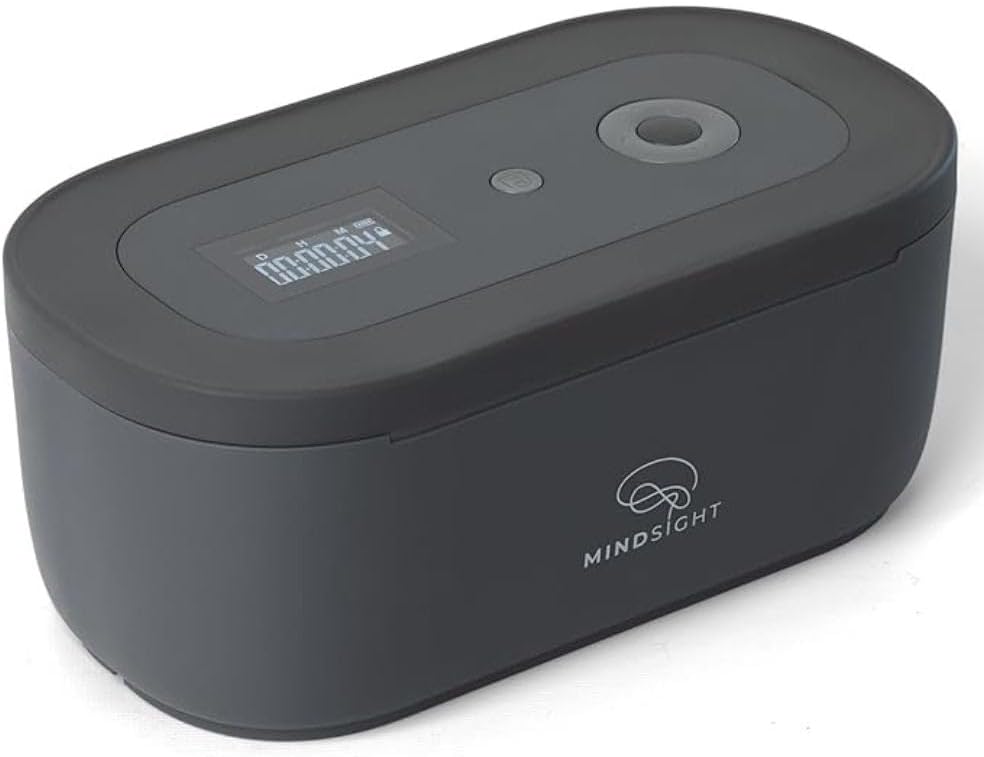
Choosing a timed lock box requires evaluating timer reliability, durability, and psychological design
The Mindsight Timed Lock Box represents a specialized category of behavioral tools, not just security containers. Unlike standard lock boxes, this product's value lies in its three programmable timer modes (1 minute to 10 days) and its specific design philosophy of 'out of sight, out of mind' for digital detox and habit control.
Key Considerations Before Buying
- Timer mechanism reliability is critical—malfunctions could trap your items until batteries die or require destructive entry, so examine reviews mentioning timer accuracy and battery life.
- Consider the psychological aspect: the 3-mode system (Quick, Willpower, Commitment) targets different self-control strategies, making it more effective for specific habits like phone addiction versus snack control.
- Physical durability matters for repeated use—the ABS plastic construction and hinge design must withstand regular opening/closing cycles without compromising the locking mechanism.
What Our Analysts Recommend
Quality indicators include consistent mentions of the timer's audible click confirmation, smooth dial operation, and the anti-tamper design that prevents resetting once locked. Genuine reviews often detail how the physical heft (1.65 lbs) creates psychological weight, reinforcing commitment.
Security Lock Boxes Market Context
Market Overview
The timed lock box market has expanded from simple kitchen safes to specialized mental wellness tools, with products now targeting specific behaviors like smartphone overuse and impulse spending. The Mindsight box competes directly with Kitchen Safe and other behavior-focused containers.
Common Issues
Common problems include timer mechanisms that fail to release, flimsy latches that break with frequent use, and designs that allow users to circumvent the lock through gaps or weak points. Some products have unclear mode settings leading to accidental long-term locks.
Quality Indicators
Look for products with mechanical (not just digital) timer backups, reinforced corners where stress concentrates, and clear visual/audible locking confirmation. Premium models feature dual-purpose designs that work for both small electronics and larger items like gaming controllers.
Review Authenticity Insights
Grade B Interpretation
A Grade B with 10% estimated fake reviews indicates generally trustworthy feedback with minor concerns. For this product category, the high verified purchase rate (all reviews marked 'V') significantly boosts credibility, as fake reviews typically cluster around unverified claims.
Trust Recommendation
Focus on reviews discussing specific use cases like 'locking my vape for 3 days' or 'phone-free study sessions'—these detailed accounts are harder to fabricate. Be slightly more critical of perfect 5-star reviews that lack behavioral specifics.
Tips for Reading Reviews
Prioritize reviews mentioning the three modes by name, as this demonstrates actual usage. Look for discussions about the learning curve of the dial system and comparisons to willpower alone—these nuanced perspectives typically indicate authentic experience.
Expert Perspective
The Mindsight box's 4.50 adjusted rating (from 4.78) suggests strong genuine satisfaction, with the slight adjustment reflecting minimal review manipulation concerns. Its success appears tied to the psychological effectiveness of the physical barrier rather than just security features. The product fills a specific niche between basic kitchen timers and expensive digital detox devices, offering tangible commitment through mechanical simplicity.
Purchase Considerations
Weigh whether your use case aligns with the timer ranges (1 min to 10 days) and compartment size (7.5" x 5.5" x 3")—it accommodates most smartphones but not tablets. Consider if the mechanical dial interface suits your needs versus digital alternatives with app connectivity.
Comparing Alternatives
Shoppers should compare the Mindsight's mechanical timer against digital alternatives like the Kitchen Safe Time Lock, evaluating trade-offs between simplicity and programmable flexibility.


