Motion-Activated Chirping Balls: What Cat Owners Need to Know Before Buying
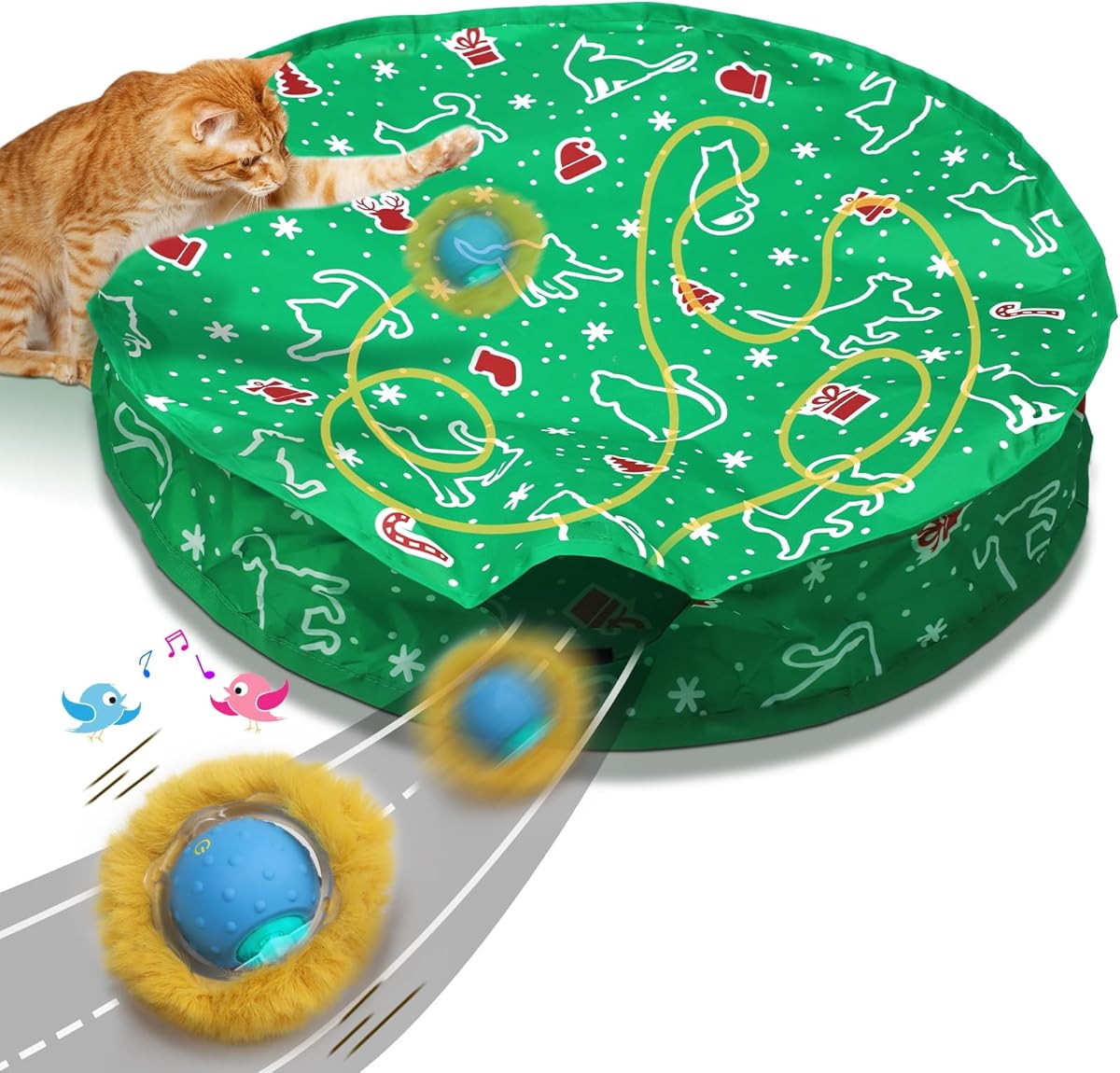
This specific interactive cat toy combines motion activation with chirping sounds in a compact rolling ball format. Unlike basic catnip toys, this product's appeal lies in its autonomous movement and auditory stimulation, which can engage cats even when owners aren't actively playing with them. The 'fast rolling in pocket' design suggests portability for travel or multi-room use.
Key Considerations Before Buying
- Motion sensor sensitivity matters—some cats respond better to subtle movements while others need more dramatic activation to trigger interest.
- Chirping sound quality varies significantly between interactive toys; some cats prefer higher-pitched bird-like sounds while others respond better to rodent-like chirps.
- Battery life and replacement accessibility are crucial since motion-activated toys drain power faster than static toys, and many require specific button cell batteries.
What Our Analysts Recommend
Examine the seam construction where the ball halves meet—poorly sealed edges can trap fur or allow moisture inside. Check whether the motion sensor has adjustable sensitivity settings, as this extends the toy's usefulness across different cat personalities. Verify that the chirping mechanism produces consistent, non-grating sounds that won't annoy human household members during extended play sessions.
Interactive Toys Market Context
Market Overview
The interactive cat toy market has exploded with motion-activated options, but quality varies dramatically between brands that use reliable infrared sensors versus cheaper vibration-based mechanisms. Products combining movement with sound stimulation represent the current premium segment, with prices ranging from $8 to $25 for similar-looking products.
Common Issues
Many motion-activated cat balls suffer from inconsistent sensor performance, stopping randomly or failing to restart after collisions. Chirping mechanisms often degrade within weeks, either becoming silent or producing distorted sounds. The plastic shells on cheaper models can crack when batted against hard surfaces, exposing electronic components.
Quality Indicators
Higher-quality interactive balls feature weighted bottoms for stable rolling patterns rather than erratic bouncing. Look for products with replaceable battery compartments that don't require tools to access. Premium models often include multiple sound modes or volume controls, allowing customization for noise-sensitive households.
Review Authenticity Insights
Grade B Interpretation
A Grade B authenticity rating with 14% estimated fake reviews indicates generally reliable feedback but suggests some review manipulation. For this specific product, the 0.37-point drop from the displayed 4.67 to the adjusted 4.30 rating reflects moderate inflation through questionable reviews.
Trust Recommendation
Focus on reviews mentioning specific cat behaviors like 'chases but doesn't bat' or 'ignores the chirp but follows the motion'—these demonstrate genuine usage. Be skeptical of reviews emphasizing packaging or gifting aspects over actual cat interaction, as these may be incentivized.
Tips for Reading Reviews
Look for reviews describing how the ball performs on different floor surfaces (carpet vs. hardwood), as this affects motion activation. Pay attention to mentions of battery life in actual weeks of use rather than vague 'long-lasting' claims. Note whether reviewers mention their cat's age and activity level, as senior cats often respond differently to motion toys than kittens.
Expert Perspective
The combination of motion activation and chirping sounds addresses two key feline stimuli, making this product theoretically effective for most cats. The adjusted 4.30 rating from verified authentic reviews suggests genuine satisfaction among the majority of purchasers. However, the 14% fake review rate indicates some marketing manipulation, so the product may perform slightly below the displayed rating suggests. The 'fast rolling in pocket' feature suggests design consideration for multi-environment use, which is valuable for traveling cat owners.
Purchase Considerations
Consider your cat's typical response to electronic sounds—some cats become frightened by chirping mechanisms. Evaluate whether the motion sensor's activation range (typically 3-5 feet) suits your home layout, as confined spaces may cause constant triggering. Weigh the convenience of autonomous play against potential noise disruption, especially if the toy activates during nighttime hours.
Comparing Alternatives
Compare this product's sensor technology and sound options against similar-priced interactive balls from established pet brands like PetSafe or ethical manufacturers like SmartyKat.