
Pure Sine Wave Inverters: What to Know Before You Buy
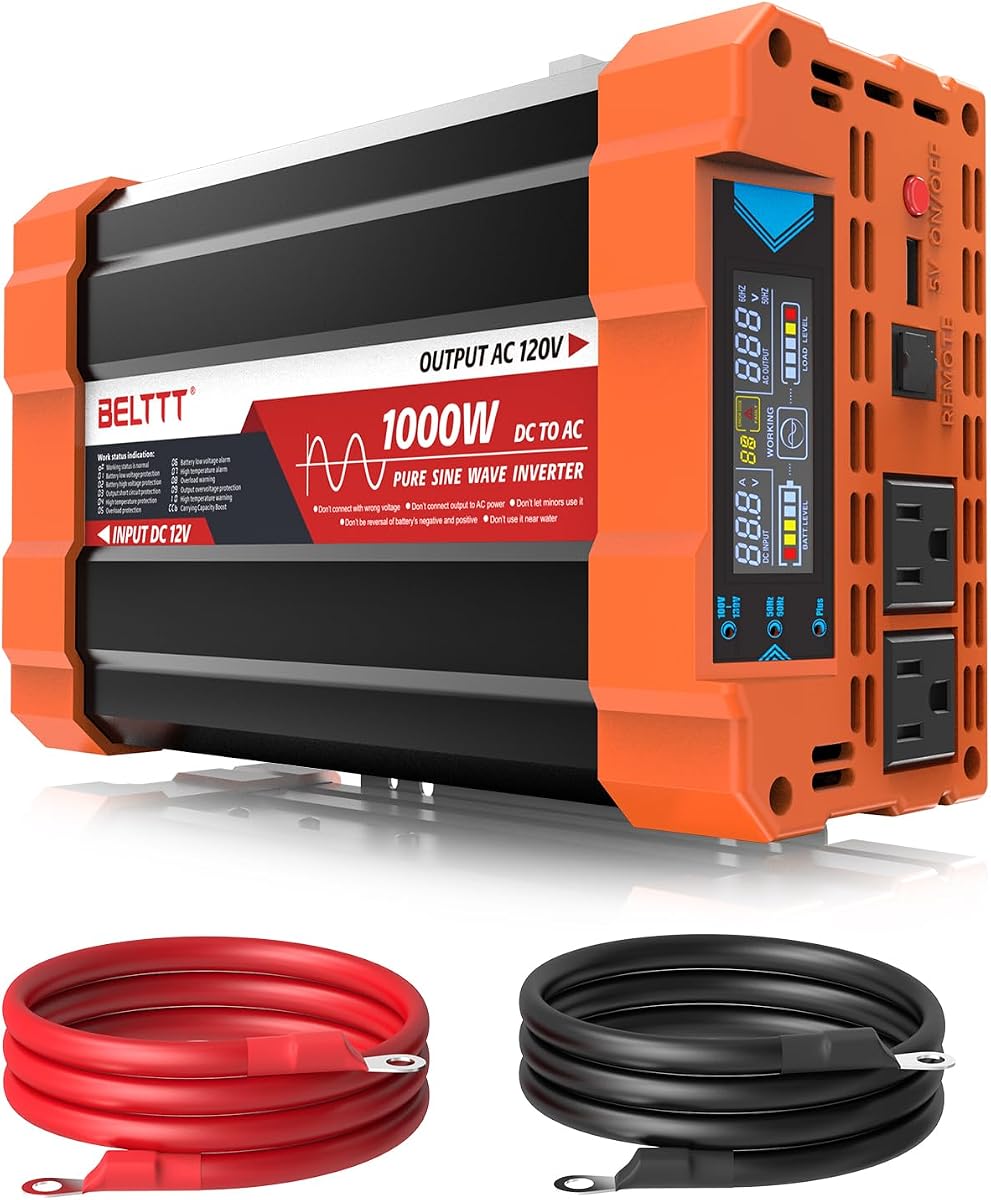
A 1000W pure sine wave inverter like this one converts 12V DC battery power to clean 120V AC, making it a go-to for RVs, semi trucks, and off-grid setups. But not all inverters deliver stable power—understanding continuous vs. peak ratings and sine wave quality is key.
Key Considerations Before Buying
- Continuous vs. peak power: This unit delivers 1000W continuous and 2000W peak, so it can handle brief surges from motors or compressors but shouldn't run them long-term. Match your continuous load to 80% of the rating for safety.
- Pure sine wave vs. modified: Pure sine wave output is essential for sensitive electronics like laptops, medical devices, and variable-speed tools. Modified sine wave can cause overheating or malfunctions in these devices.
- Installation and wiring: Proper gauge cables and a well-ventilated location are critical—inadequate wiring can cause voltage drop or fire risk. Many users hardwire these into RV or truck systems, so plan for fuse protection and grounding.
What Our Analysts Recommend
Look for inverters with robust cooling fans, clear fault indicators, and certifications like UL or ETL. A metal casing and replaceable fuses are signs of durability, while user reviews mentioning long-term reliability in high-demand applications (like semi trucks) are strong quality indicators.
Solar & Wind Power Inverters Market Context
Market Overview
The solar and wind inverter market is growing as more consumers seek off-grid and backup power solutions. Pure sine wave models are increasingly affordable, but quality varies widely—budget units often skimp on surge capacity or waveform purity.
Common Issues
Common complaints include premature failure under high load, noisy fans, and inaccurate power ratings. Some inverters produce modified sine wave despite claiming pure sine, which can damage electronics. Overheating and poor customer support are also frequent pain points.
Quality Indicators
Reputable brands specify continuous and peak wattage clearly and provide detailed specs on efficiency and total harmonic distortion (THD). Reviews that mention specific use cases (e.g., running a CPAP machine or microwave) and long-term performance are more trustworthy than generic praise.
Review Authenticity Insights
Grade B Interpretation
An A authenticity grade with only 8% estimated fake reviews means the 4.78-star rating is largely reliable. The adjusted 4.60 rating still indicates strong satisfaction, and the detailed, use-case-specific reviews suggest genuine customer experiences.
Trust Recommendation
You can trust the overall sentiment, but still read a sample of reviews to see if your specific use case (e.g., powering a sump pump or charging tools) is mentioned. Pay attention to reviews that discuss long-term durability and customer service.
Tips for Reading Reviews
Focus on reviews that include model numbers, installation details, or comparisons to other inverters. Be wary of reviews that only say 'works great' without context—they may be less helpful. Look for patterns in complaints about noise or heat.
Expert Perspective
This 1000W pure sine wave inverter appears to be a solid mid-range option, backed by a high volume of authentic positive reviews. Its 2000W peak capacity makes it suitable for appliances with startup surges, and the pure sine wave output protects sensitive electronics. However, like any inverter, proper installation and realistic load expectations are crucial for longevity.
Purchase Considerations
Consider your maximum continuous load and whether you need hardwired or plug-in installation. Check if the inverter includes necessary cables and fuses—some don't. Also, evaluate the warranty and support reputation, as inverter failures can be costly.
Comparing Alternatives
Compare with similar 1000W pure sine wave inverters from brands like Renogy or Go Power to ensure you're getting the best value for features like remote monitoring or higher surge ratings.


