
Choosing a Quiet Bathroom Exhaust Fan That Actually Works
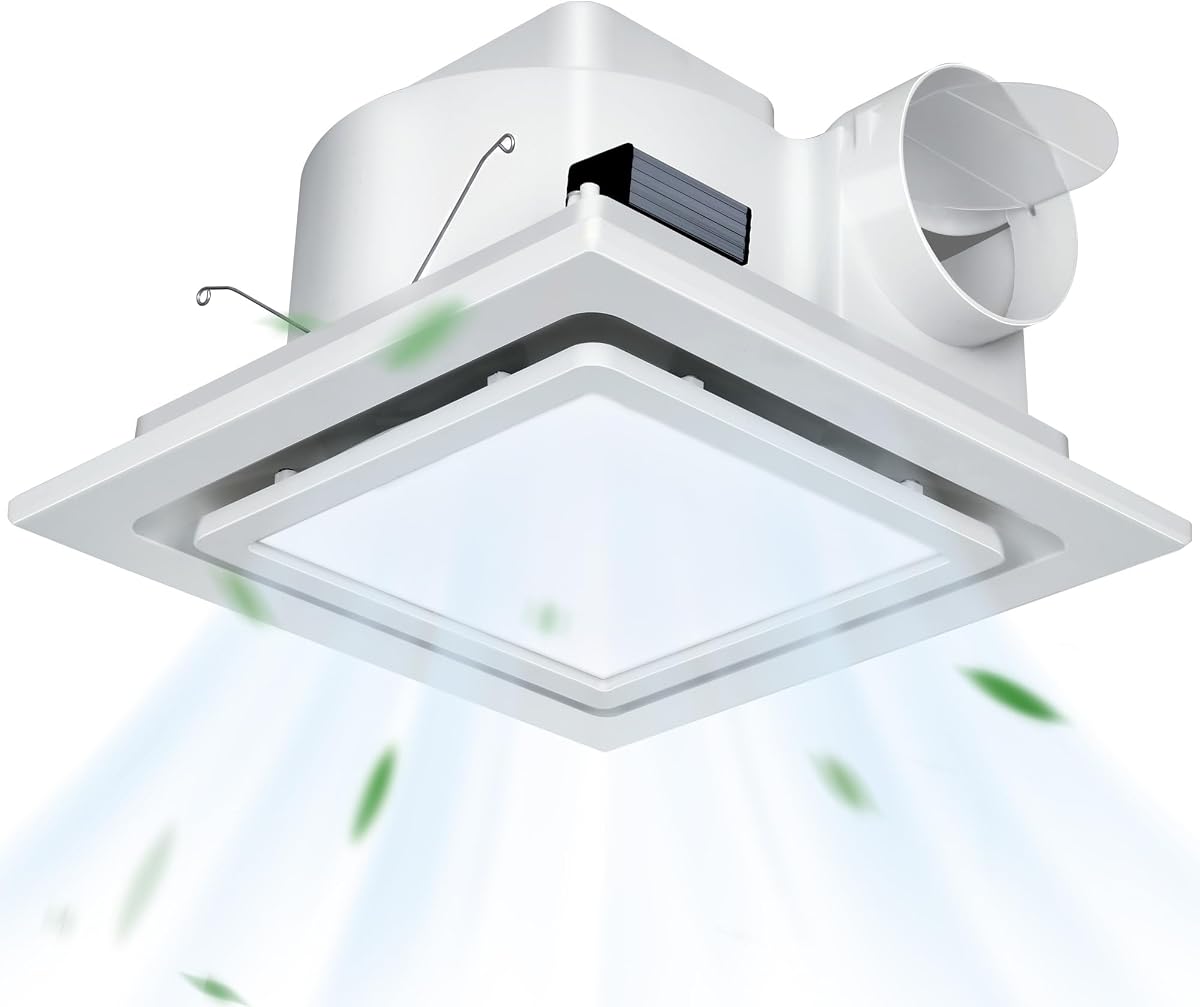
This 120 CFM fan with a 1.0 sone rating sits at the quiet end of the bathroom ventilation market, and the built-in light means one less fixture to wire. Buyers should understand airflow ratings, noise levels, and ducting needs before committing.
Key Considerations Before Buying
- Match CFM to bathroom size: 120 CFM is appropriate for rooms around 100-120 square feet, but oversized fans in small bathrooms can pull conditioned air and feel drafty. Undersized fans leave moisture behind and encourage mold.
- Noise is measured in sones, and 1.0 sone is genuinely quiet — roughly the sound of a refrigerator hum. Fans above 3.0 sones are noticeably loud, so this rating is a meaningful upgrade for bedrooms and guest baths.
- Check your existing ductwork diameter and run length. A 120 CFM fan typically needs a 4-inch duct, and long or winding runs reduce real-world airflow well below the rated number.
What Our Analysts Recommend
Look for a mounting bracket that fits standard 16-inch joist spacing and a backdraft damper to prevent outside air from seeping in. Housing depth matters too — slim housings fit tight ceiling cavities, while deeper units may not clear plumbing above. A built-in light should be rated for damp locations and use a standard bulb type for easy replacement.
Ventilation Fans Market Context
Market Overview
Bathroom exhaust fans have shifted from loud, builder-grade units toward quieter models with integrated lighting and humidity sensors. Consumers increasingly treat ventilation as a comfort and air-quality feature rather than an afterthought, which has pushed 1.0-1.5 sone fans into the mainstream.
Common Issues
The most frequent complaints in this category involve installation surprises — ducting that doesn't match, housings that don't fit the ceiling cutout, or wiring that isn't compatible with existing switches. Noise ratings can also disappoint if the fan is mounted loosely or the duct run is undersized.
Quality Indicators
A quality exhaust fan balances airflow, noise, and build materials. Metal housings resist warping better than plastic, sealed motors last longer in humid environments, and Energy Star certification signals verified efficiency. Look for clear installation documentation and a warranty of at least three years.
Review Authenticity Insights
Grade A Interpretation
An A grade with an estimated 8% fake review rate is a strong result — most categories see higher percentages. The 528 reviews are overwhelmingly verified purchases with a healthy mix of ratings, which suggests the 4.22 average reflects real user experiences rather than manufactured enthusiasm.
Trust Recommendation
Shoppers can treat the adjusted 4.10 rating as a reliable signal. Because the review base is large and verified, patterns in the feedback — especially repeated mentions of installation or noise — are worth taking seriously.
Tips for Reading Reviews
For exhaust fans, focus on reviews that mention bathroom size, duct configuration, and how the fan performs after months of use. Ignore one-line reviews that only praise the light or complain about shipping damage, as those say little about ventilation performance.
Expert Perspective
This fan occupies a sweet spot: 120 CFM handles medium bathrooms, and 1.0 sone is quiet enough for adjacent living spaces. The built-in light simplifies installation and reduces ceiling clutter. The adjusted 4.10 rating from 528 mostly authentic reviews suggests solid but not flawless performance, with the usual caveats around ducting and fit.
Purchase Considerations
Before buying, measure your bathroom's square footage, inspect the existing duct diameter and run, and confirm the ceiling cutout size. If your ductwork is undersized or the run is long, consider a higher-CFM model or duct upgrades to get the rated airflow.
Comparing Alternatives
Compare this unit against other 110-130 CFM fans with similar sone ratings and light options, and check whether a humidity-sensing model better fits your routine.


