
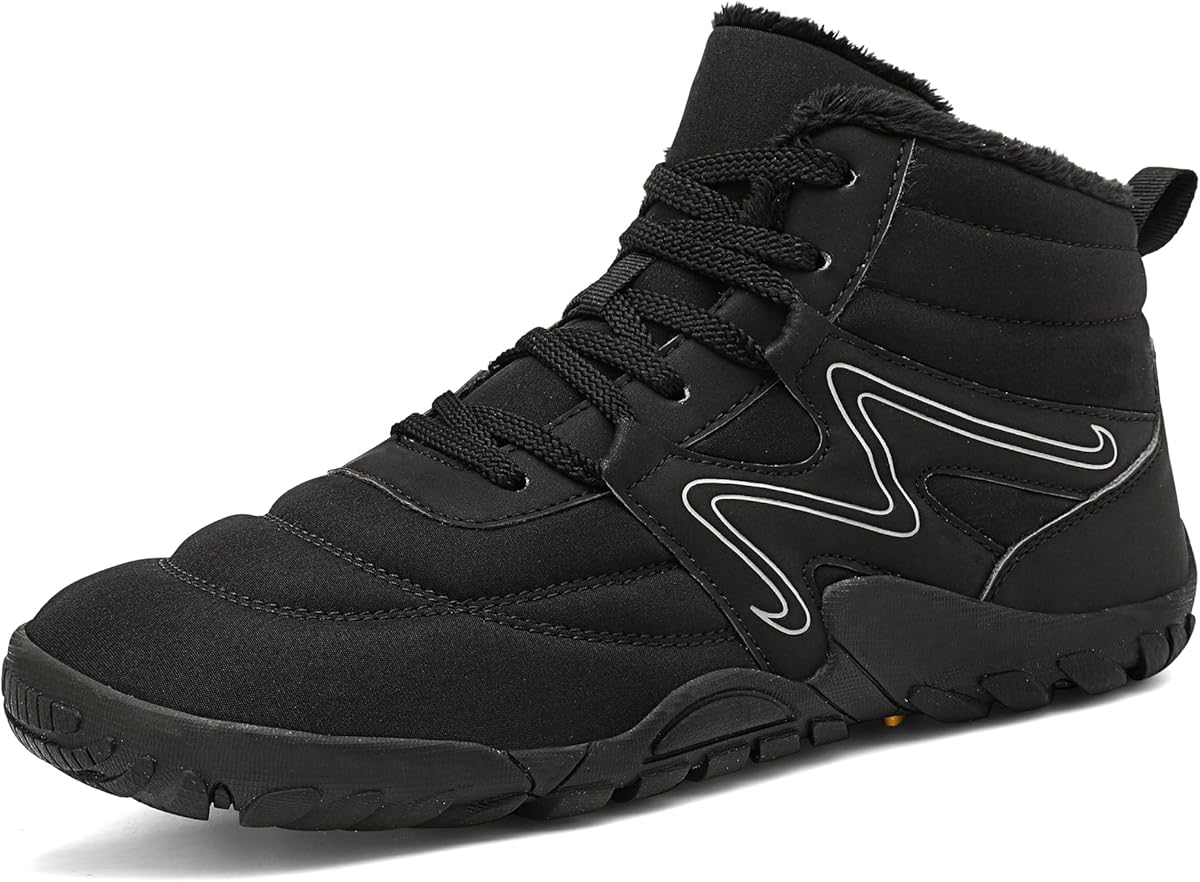
Choosing Minimalist Winter Boots: Balancing Warmth, Waterproofing, and Natural Foot Movement
These specific boots combine three distinct design philosophies: winter weather protection, minimalist 'barefoot' construction, and a wide toe box. Buyers should understand that this product attempts to merge thermal insulation and waterproof membranes with a zero-drop sole and flexible upper, which creates unique performance trade-offs. Success depends on how well the manufacturer reconciles the inherent tension between a rigid, protective winter boot and a flexible, ground-feeling minimalist shoe.
Key Considerations Before Buying
- Assess your tolerance for 'ground feel' in cold conditions; a true zero-drop minimalist sole provides less insulation from frozen ground than a traditional thick, lugged winter boot sole.
- Verify the waterproofing method—whether it's a membrane (like eVent) or a coating—as this impacts breathability during active winter hiking versus static warmth.
- The wide toe box is designed for natural splay, but ensure the ankle collar ('booties' description) provides enough lockdown and support for your intended use on uneven, snowy terrain.
What Our Analysts Recommend
For minimalist winter boots, quality indicators include a seam-sealed waterproof construction specifically mentioned in reviews, a flexible yet abrasion-resistant upper material (like suede or specific technical fabrics), and a non-slip outsole pattern that performs on both wet rock and packed snow. Reviews noting long-term durability of the sole's flexibility in freezing temperatures are particularly valuable.
Snow Boots Market Context
Market Overview
The market for minimalist winter boots is a niche but growing segment, sitting at the intersection of the barefoot shoe movement and functional cold-weather footwear. Products like these aim to serve hikers and outdoor enthusiasts who prioritize natural foot mechanics but won't compromise on waterproof warmth. The 4.4-star rating suggests this model is meeting a specific demand that traditional bulky snow boots do not.
Common Issues
Common issues in this hybrid category include cold spots due to thin soles, reduced durability of flexible materials under winter stress, and waterproof failures at the seam where the flexible upper meets the sole. Another frequent complaint is that the wide toe box can sometimes compromise a secure heel fit, leading to slippage.
Quality Indicators
In this category, quality is shown through consistent reviewer praise for warmth without bulk, maintained waterproofness after multiple seasons, and the sole retaining its grip as it wears. Look for mentions of specific conditions (e.g., 'kept feet dry during slushy urban commuting' or 'warm enough for light snow hiking at 20°F') that demonstrate real-world performance.
Review Authenticity Insights
Grade B Interpretation
A 'Grade B' with an estimated 12% fake review rate indicates a generally trustworthy review corpus, but suggests a modest level of incentivized or biased reviews are present. For this product, the adjusted rating of 4.10/5 (down from 4.40/5) is a more reliable indicator of genuine customer satisfaction.
Trust Recommendation
Focus on the 14 verified, authentic reviews that mention specific use cases like 'winter dog walking' or 'light hiking.' Be slightly more skeptical of reviews that only use generic superlatives without detailing the boot's performance in cold, wet conditions. The data suggests the core positive feedback on warmth and fit is credible.
Tips for Reading Reviews
Prioritize reviews that discuss the 'zero-drop' and 'wide toe box' features in the context of winter activity. Authentic reviews often mention an adjustment period or compare the feel directly to traditional boots. Look for detailed comments on how the waterproofing held up after several weeks of use, not just initial impressions.
Expert Perspective
This product represents a competent attempt at a difficult design challenge. The strong adjusted rating of 4.10/5 from a largely authentic review pool indicates it successfully delivers on its core promises for most buyers: waterproof warmth with a minimalist design. The 'ankle booties' description suggests a lower-cut design, making them better suited for light hiking and everyday winter wear than deep snow or mountaineering. The positive feedback likely stems from filling a gap for those who find traditional snow boots overly restrictive.
Purchase Considerations
Weigh your need for maximum insulation against your desire for natural foot movement. These are ideal if your winter activities are moderately active, keeping blood flow high, and you prioritize ground contact. They may be insufficient for static exposure in extreme cold due to the minimalist design principles. Sizing is critical; the wide toe box may require sizing down if you have narrow feet.
Comparing Alternatives
Shoppers should compare the stack height and insulation grams (if listed) with other minimalist winter boots, as these specs directly affect warmth and 'barefoot' feel.


