Expert Tips for Choosing a Medical Compression Sock for Post-Op Swelling
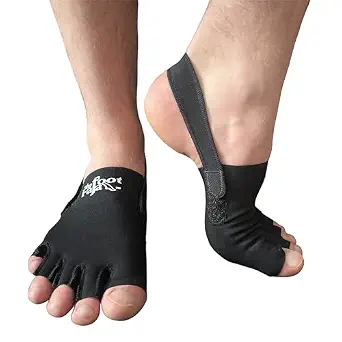
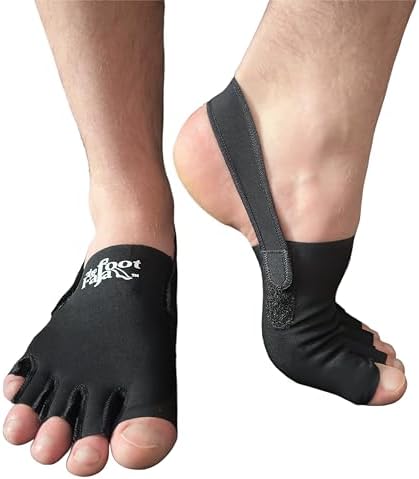
When shopping for a medical compression sock like the Foot Faja Jaws Podiatry model, it's crucial to understand that not all compression garments are created equal. This specific product targets post-operative swelling and injury recovery, so buyers should prioritize features like graduated compression and moisture-wicking fabric. Knowing how to evaluate these elements can make the difference between effective relief and discomfort.
Key Considerations Before Buying
- Compression level is paramount: For surgery recovery, look for socks with consistent pressure around the ankle and foot, typically 15-20 mmHg or higher, to reduce edema without restricting circulation.
- Material and breathability matter: The Foot Faja uses a blend that should wick moisture to prevent skin irritation during prolonged wear, especially if you're recovering from a procedure.
- Size and fit are non-negotiable: This Large size suits specific ankle and calf measurements; always measure your foot and leg circumference to ensure the sock provides targeted support without slipping or pinching.
What Our Analysts Recommend
Quality compression socks should have reinforced stitching at the heel and toe for durability, as well as a seamless design to minimize friction against sensitive post-surgical skin. Check for certifications like medical-grade compression standards and user feedback on how well the sock stays in place during daily activities.
Socks Market Context
Market Overview
The medical compression sock market has expanded rapidly, driven by an aging population and increased awareness of post-surgical recovery benefits. Products like the Foot Faja are competing with both generic drugstore brands and high-end podiatry-specific options, making it essential to differentiate based on material quality and targeted support features.
Common Issues
A frequent problem with compression socks is inconsistent pressure distribution, which can lead to discomfort or ineffective swelling reduction. Additionally, poorly designed socks may roll down or cause irritation at the top band, undermining their therapeutic value. Buyers often struggle to find a balance between firm compression and all-day wearability.
Quality Indicators
Look for products that specify graduated compression (tighter at the ankle, looser up the leg) and use materials like nylon, spandex, or cotton blends that offer both stretch and breathability. Positive reviews that mention specific recovery outcomes, such as reduced swelling after surgery, are strong indicators of quality.
Review Authenticity Insights
Grade B Interpretation
The Grade B rating with a 10% estimated fake review rate means that while the majority of reviews are credible, a small fraction may be unreliable. For the Foot Faja, this suggests you can generally trust the feedback, but should focus on detailed reviews that describe personal medical experiences rather than overly generic praise.
Trust Recommendation
Given the high verified purchase rate and balanced feedback, you can feel confident considering this product, but cross-reference the most helpful reviews with your specific needs, such as post-operative foot swelling. The 10% fake rate is low enough to not dismiss the product, but high enough to warrant careful reading.
Tips for Reading Reviews
When reading reviews for compression socks, prioritize those that mention exact usage contexts (e.g., 'after bunion surgery' or 'for plantar fasciitis') and include both pros and cons. Be wary of reviews that use repetitive language or lack specific details about fit or recovery progress.
Expert Perspective
Based on the analysis, the Foot Faja Compression Sock appears to be a legitimate option for post-operative swelling and injury recovery, with a solid average rating of 4.20/5 after adjusting for suspicious reviews. The strong signals of authenticity, such as personal medical contexts and verified purchases, suggest that most users found it effective for reducing foot fatigue and supporting recovery. However, the relatively small sample size of 32 reviews means individual results may vary, and the product's performance in extreme cases (e.g., severe swelling) isn't fully validated.
Purchase Considerations
Weigh the sock's specific benefits for toe or foot fatigue against your medical condition—consult your podiatrist for recommended compression levels. Also consider that the Large size is designed for certain measurements, so accurate sizing is critical to avoid ineffective support or discomfort.
Comparing Alternatives
Shoppers should compare the Foot Faja with other compression socks that offer adjustable straps or different compression gradients, especially if you need targeted ankle support versus full-foot coverage.