
Indoor TV Antenna Buying Guide: What to Know Before You Cut the Cord
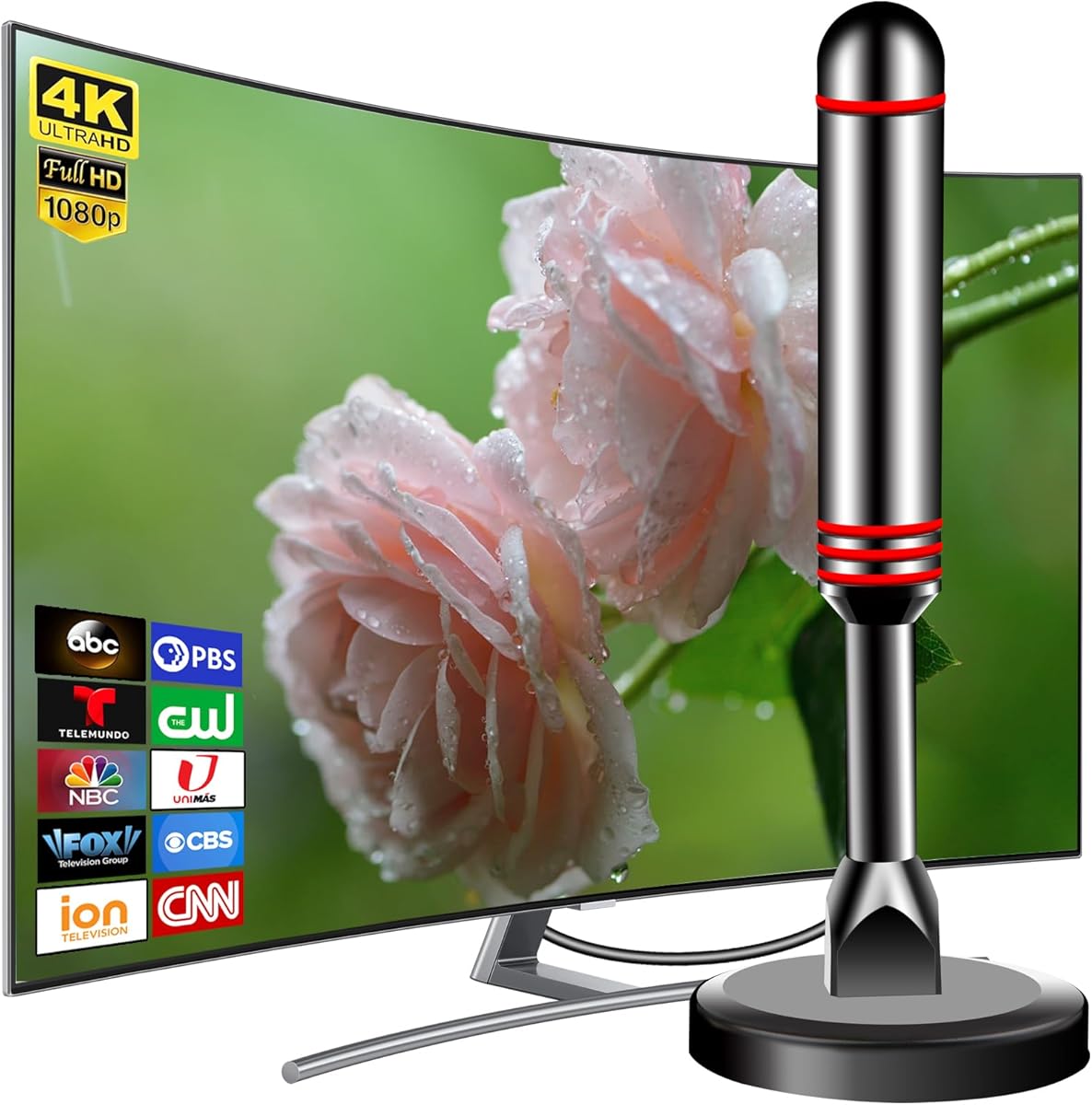
This 2026 indoor HDTV antenna promises 360° reception, a strong magnetic base, and easy setup without cable. But as with any antenna, real-world performance depends on your location, the antenna's design, and how you install it. Here's what to consider before buying this or any indoor antenna.
Key Considerations Before Buying
- Reception range and terrain: Advertised 'long range' claims (often 50+ miles) are theoretical and assume flat, unobstructed terrain. If you live in a hilly area or far from broadcast towers, an indoor antenna may struggle regardless of its specs.
- Placement flexibility: The magnetic base is a standout feature, allowing you to mount the antenna on metal surfaces like a refrigerator or window frame. However, magnetic bases can be less stable on non-metallic surfaces, so consider where you'll place it.
- Signal interference: Indoor antennas are susceptible to interference from walls, electronics, and even weather. Look for features like shielded cables or amplifiers, though this model doesn't specify an amplifier, which may limit performance in weak-signal areas.
What Our Analysts Recommend
Prioritize antennas with clear instructions for optimal placement and a generous return policy, as reception can vary drastically by location. Check for a detachable coaxial cable (often not included) and verify that the antenna supports both VHF and UHF bands, as many indoor models skimp on VHF. A magnetic base is convenient, but ensure it doesn't compromise the antenna's ability to be repositioned for the best signal.
TV Antennas Market Context
Market Overview
The indoor TV antenna market has grown as more households cut the cord, but it's flooded with generic, low-quality products that overpromise. Many antennas are rebranded versions of the same basic design, making it hard to distinguish genuine innovations from marketing hype. The shift to ATSC 3.0 (NextGen TV) is also on the horizon, but most current antennas remain compatible with existing broadcasts.
Common Issues
A frequent complaint is that antennas fail to receive all major networks, especially VHF channels like ABC, CBS, or NBC in some markets. Another issue is flimsy construction: magnetic bases can lose strength, and thin cables may fray. Many buyers also find that 'long range' claims are wildly exaggerated, leading to disappointment and returns.
Quality Indicators
A quality indoor antenna should have a sturdy build, a well-designed base (magnetic or otherwise), and clear, honest specifications about range and frequency. Look for brands that provide a signal map or tool to check tower distances, and avoid antennas with vague or overly broad claims. Detachable cables and gold-plated connectors are signs of better manufacturing.
Review Authenticity Insights
Grade B Interpretation
This product has a Grade U for review authenticity, meaning there are no reviews yet to analyze. The 0.00% fake review percentage is therefore not indicative of quality but simply reflects the absence of data. With zero reviews, there's no way to gauge real-world performance or reliability from customer feedback.
Trust Recommendation
Since there are no reviews, proceed with caution. Check the seller's history and return policy, and consider waiting for reviews to accumulate. If you need an antenna immediately, look for models with a substantial number of verified reviews and a high adjusted rating to reduce risk.
Tips for Reading Reviews
When reviews do appear, focus on those that mention specific channels received, distance from towers, and placement details. Be wary of reviews that are overly enthusiastic without specifics, as they may be incentivized. Look for patterns in complaints about reception or build quality.
Expert Perspective
This indoor antenna offers a magnetic base and 360° reception, which could be convenient for urban dwellers with strong signals. However, the lack of reviews and unspecified amplifier raise red flags about its performance in weaker signal areas. Without verified customer feedback, it's difficult to assess whether it lives up to its 'long range' claim. It may be a budget option, but the risk of poor reception is high.
Purchase Considerations
Weigh the low upfront cost against the potential need for returns if reception is poor. If you live within 20 miles of major broadcast towers, this antenna might suffice, but if you're farther out or in a challenging environment, consider a more proven model with amplification. Also, check if the magnetic base suits your intended placement.
Comparing Alternatives
Compare this antenna with established brands like Mohu, Antennas Direct, or Channel Master, which offer detailed specs and customer reviews. Reading expert reviews and using FCC signal maps can help you choose an antenna that fits your specific location.


