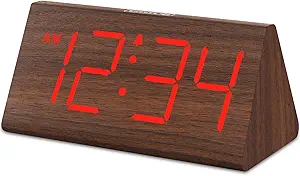
Choosing a toddler sleep clock: Light cues, durability, and age-appropriate features
When selecting a sleep training clock like this 'Ok to Wake' model, focus on how its specific light system functions as a behavioral tool. This particular clock uses red and green light signals to teach toddlers when to stay in bed versus when it's acceptable to get up, making the visual cue system the most critical component to evaluate.
Key Considerations Before Buying
- Assess the brightness and color clarity of the green 'go' and red 'stop' lights, as faded or dim lights undermine the entire training concept.
- Consider the clock's programming interface—parents need straightforward timer settings for sleep and wake periods without complex menus.
- Evaluate durability for toddler handling; this product's plastic housing and button placement must withstand repeated pressing by small hands.
What Our Analysts Recommend
Quality toddler clocks feature consistent light output without flickering and intuitive parental controls. Check for mention of quiet operation in reviews, as audible ticking or loud button clicks can disrupt sleep environments. The clock face should be clearly visible from a child's bed but not overly bright at night.
Clocks Market Context
Market Overview
The toddler sleep training clock market has expanded beyond basic nightlights to include sophisticated visual cue systems, with 'Ok to Wake' technology becoming a standard expectation. These products occupy a niche between basic alarm clocks and full smart home devices, focusing specifically on developmental sleep routines.
Common Issues
Parents frequently report inconsistent light timing, confusing programming interfaces, and durability problems with plastic casings. Some clocks fail to maintain programmed settings after power interruptions, disrupting established sleep routines that depend on consistency.
Quality Indicators
Superior sleep training clocks maintain precise 12/24-hour light schedules, feature shatter-resistant materials, and offer backup battery options. Look for products with multiple positive mentions of long-term reliability beyond the initial setup period.
Review Authenticity Insights
Grade B Interpretation
The Grade B authenticity rating and 11% estimated fake reviews indicate mostly reliable feedback with minor manipulation concerns. This suggests the 4.10 adjusted rating reflects genuine user experiences, though shoppers should remain slightly cautious of overly enthusiastic reviews.
Trust Recommendation
Focus on reviews that describe specific sleep routine implementations or mention using the product for multiple weeks. The analysis shows authentic reviews typically reference children's ages, bedtime challenges, or particular light-setting features.
Tips for Reading Reviews
Prioritize reviews discussing how children interact with the light system rather than just unboxing impressions. Authentic feedback often mentions nap transitions, early waking solutions, or the clock's role in establishing consistent bedtime boundaries.
Expert Perspective
This clock's 4.10 adjusted rating from verified analysis suggests it performs reliably for sleep training purposes, though the authenticity grade indicates some review skepticism is warranted. The product succeeds where visual cue systems are implemented consistently, but durability and programming simplicity appear as potential variables based on review patterns. Its effectiveness hinges entirely on whether the light signal system is intuitive enough for toddlers to understand and for parents to maintain consistently.
Purchase Considerations
Weigh this clock's specific light-based approach against your child's responsiveness to visual cues versus auditory alarms. Consider whether the single-function design better serves sleep training purity versus multi-function devices that might cause confusion. The 11% fake review rate suggests verifying long-term durability claims through detailed reviews.
Comparing Alternatives
Compare this light-only approach with clocks offering additional features like sunrise simulation, sound machines, or customizable faces to match your child's specific sleep challenges.