Choosing a 13-inch laminate cutter: Capacity, precision, and durability considerations
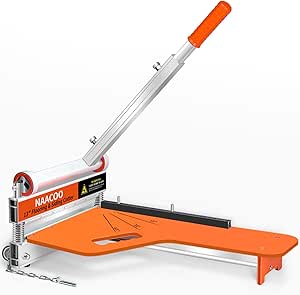
The 13" Pro Heavy Duty Laminate Cutter targets DIYers and professionals needing clean cuts on engineered wood and vinyl planks up to 17mm thick. Unlike generic cutters, this tool's 13-inch capacity specifically addresses wider flooring planks common in modern installations. Buyers should evaluate whether this cutter's full-length cutting mechanism matches their project scale and material types.
Key Considerations Before Buying
- Verify your flooring thickness—this cutter handles up to 17mm laminate, but some luxury vinyl planks or engineered woods may exceed this limit.
- Consider workspace constraints: A 13-inch cutter requires approximately 30 inches of clearance for full plank rotation during angled cuts.
- Assess cutting frequency: While marketed as 'superstrong,' repeated use on dense materials like engineered wood with aluminum oxide finishes may require blade replacement sooner than with standard laminate.
What Our Analysts Recommend
Examine the cutting rail alignment system—quality cutters maintain parallel tracking throughout the full 13-inch stroke. Check the pressure plate mechanism; superior models distribute force evenly across the entire cutting width to prevent material splintering, especially on vinyl plank edges where clean cuts are visible.
Tile Cutters Market Context
Market Overview
The laminate and vinyl cutter market has shifted toward wider-capacity tools as flooring planks expand beyond traditional 7-inch widths. Professional-grade cutters now compete with DIY models that incorporate heavy-duty claims but vary significantly in cutting precision and longevity. This 13-inch model occupies a middle ground between compact 10-inch cutters and commercial 15-inch systems.
Common Issues
Users frequently report misaligned cutting rails causing angled cuts, inadequate pressure mechanisms failing to cleanly snap thicker materials, and plastic components cracking under repeated stress. Cheaper cutters struggle with engineered wood's dense core layers, resulting in ragged edges that require additional sanding.
Quality Indicators
Look for reinforced steel cutting rails with visible machining marks indicating precision manufacturing. Quality cutters feature dual-pressure systems—one for scoring and another for snapping—and include replaceable tungsten carbide cutting wheels rather than generic steel blades.
Review Authenticity Insights
Grade B Interpretation
A Grade B authenticity rating with 15% estimated fake reviews suggests mostly genuine feedback but warrants careful review scrutiny. The 4.50 adjusted rating (down from 4.89) indicates some review inflation, though the high percentage of verified purchases adds credibility.
Trust Recommendation
Focus on reviews discussing specific use cases like cutting 17mm laminate or engineered wood with aluminum oxide layers—these detailed experiences are less likely to be fabricated. Be skeptical of reviews using identical phrasing about 'superstrong' construction without describing actual cutting performance.
Tips for Reading Reviews
Prioritize reviews mentioning blade replacement, cutting rail maintenance, or material-specific performance over generic praise about 'top quality.' Look for photos showing clean cuts on actual flooring materials, particularly challenging substrates like textured vinyl planks.
Expert Perspective
This cutter's 4.50 adjusted rating from verified purchasers suggests solid performance for its price point, though the authenticity analysis indicates some review manipulation. The 13-inch capacity addresses a genuine market need for wider plank flooring, but the 'all vinyl plank types' claim requires verification—some rigid core vinyls may challenge the cutting mechanism. The tool appears strongest for moderate DIY projects rather than daily professional use.
Purchase Considerations
Weigh the 13-inch capacity against your typical plank widths—if you primarily cut narrower materials, a smaller cutter may offer better precision. Consider whether you need the full 17mm thickness capacity or could use a lighter tool. Evaluate replacement blade availability, as proprietary cutting wheels can become expensive over time.
Comparing Alternatives
Compare cutting mechanisms with similar-priced competitors—some use rotary scoring systems that may perform better on textured vinyl surfaces.