Choosing a USB-C Display Adapter: What Power Monitoring Buyers Need to Know
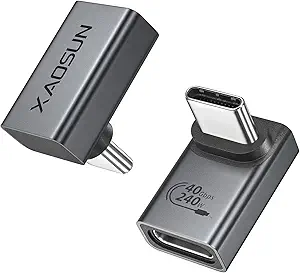
This 2-pack USB-C adapter with digital display represents a specialized tool for power-conscious users, not just a simple connector. Unlike basic adapters, its 240W PD rating and real-time voltage/current/power monitoring serve specific diagnostic and optimization purposes for Apple ecosystem devices like iPhone 15, iPads, and MacBooks.
Key Considerations Before Buying
- The 240W Power Delivery (PD) specification is crucial for high-wattage laptops like certain MacBook Pro models; verify your device's actual maximum charging requirements to ensure compatibility.
- The transparent housing and digital display serve dual purposes: verifying power negotiation protocols in real-time and troubleshooting charging inconsistencies across different USB-C cables and chargers.
- As a male-to-female connector, this adapter introduces additional points of potential connection failure and signal degradation, which is why the 2-pack offering addresses durability concerns for frequent users.
What Our Analysts Recommend
For display adapters, seek clear, non-glare LED screens that remain readable in various lighting conditions. Quality indicators include robust strain relief at both connector ends and precise cutouts in the transparent shell that reveal legitimate, well-soldered internal components, not just decorative boards.
USB-to-USB Adapters Market Context
Market Overview
The market for USB-C adapters with diagnostic displays is niche but growing, driven by users wanting to validate charger performance and cable capabilities. Products range from simple voltage readers to advanced units like this that track dynamic power delivery negotiations.
Common Issues
Common problems include display inaccuracy under high thermal loads, refresh rates too slow to capture quick power spikes, and adapters that fail to pass through all USB-PD protocol data, causing handshake failures with some devices.
Quality Indicators
Look for adapters that specify E-Marker chip support for full USB-PD 3.1 compliance. High-quality units use separate microcontroller and display driver circuits, visible through the transparent housing, rather than all-in-one chips that may compromise accuracy.
Review Authenticity Insights
Grade B Interpretation
A Grade B authenticity rating with an 11% estimated fake review rate suggests generally reliable feedback, but shoppers should remain cautious of outlier reviews. The adjusted rating of 4.30/5 (down from 4.56) indicates some review inflation but still reflects positive genuine reception.
Trust Recommendation
Focus on reviews that discuss specific technical observations, like display accuracy compared to a multimeter or performance with a 140W MacBook Pro charger. Be skeptical of reviews that only praise packaging or generic 'fast charging' without detailing the diagnostic use case.
Tips for Reading Reviews
Prioritize verified purchase reviews that mention long-term use over weeks or months, as display accuracy can drift. Look for discussions about the adapter's physical bulk and how it affects port spacing on multi-port chargers—a practical concern this product's design creates.
Expert Perspective
This product fills a specific niche for tech-savvy users who want to audit their USB-C power ecosystem. The 240W rating future-proofs it for upcoming high-power devices, while the transparent design appeals to those who value visible component quality. The 4.30 adjusted rating from genuine reviews indicates it largely delivers on its core promise of power monitoring, though the form factor inherently adds bulk to any connection.
Purchase Considerations
Consider whether you truly need continuous power monitoring or just occasional diagnostics, as leaving this adapter permanently connected adds wear points. Also weigh the value of the 2-pack against your actual usage patterns—it's beneficial for comparing two chargers simultaneously or having a backup if one fails.
Comparing Alternatives
Shoppers should compare this adapter's display clarity and refresh rate against similar products from brands like Satechi or Nekteck, which may offer different trade-offs between accuracy and physical design.