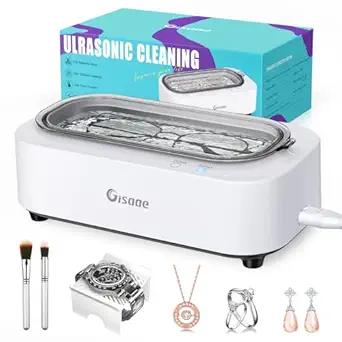
Choosing a 48KHz Ultrasonic Cleaner: What Matters for Jewelry and Delicate Items
This specific 48KHz ultrasonic cleaner with a 304 stainless steel tank is designed for home use on delicate items like jewelry and eyeglasses. Buyers should understand that the dual cleaning modes and 48KHz frequency are key features that differentiate it from lower-frequency industrial models, impacting both cleaning power and material safety.
Key Considerations Before Buying
- The 48KHz frequency is optimal for delicate items; higher frequencies are gentler on jewelry stones and metals but may be less aggressive on heavy grime.
- The 304 stainless steel tank is corrosion-resistant and durable, but its size will limit what you can clean—measure your largest item before purchasing.
- Dual cleaning modes (typically timed and continuous) offer flexibility, but check if the timer intervals match your typical cleaning needs for items like dentures or watch straps.
What Our Analysts Recommend
For this category, prioritize a sealed, waterproof control panel to prevent damage from splashes. A well-fitting, transparent lid is crucial for safety and observation. Check that the tank has smooth, rounded interior welds to prevent snagging delicate chains and to facilitate easy cleaning of the cleaner itself.
Ultrasonic Cleaners Market Context
Market Overview
The home ultrasonic cleaner market is saturated with devices claiming jewelry-cleaning capabilities, but many use generic, lower-frequency transducers better suited for tools. This model's positioning at 48KHz specifically targets the delicate-care niche, bridging consumer and entry-level lab equipment.
Common Issues
Common problems include underpowered transducers that fail to clean in crevices, lids that don't seal properly leading to excessive misting, and timers that are too short for effective cleaning cycles. Tank durability is also a frequent concern with cheaper chromed or plastic tanks.
Quality Indicators
Look for specific frequency disclosure (like 48KHz), genuine 304 stainless steel specification, and clear information on transducer placement. Quality units often have the transducers bonded to the tank's exterior bottom to prevent corrosion and ensure even energy distribution.
Review Authenticity Insights
Grade B Interpretation
A Grade B with a 10% estimated fake review rate suggests a generally trustworthy review profile typical for popular electronics. The adjusted rating of 4.20/5, down from 4.44/5, indicates that while some reviews may be inflated, the core feedback from verified purchasers is reliable.
Trust Recommendation
Focus on the 90% of reviews deemed authentic, particularly those mentioning long-term use over several months or specific results with tarnished silver or cloudy eyeglasses. The 'verified purchase' status for all reviews significantly boosts credibility for this product type.
Tips for Reading Reviews
For ultrasonic cleaners, prioritize reviews that detail what solutions were used (e.g., jewelry cleaner vs. water), describe the condition of items before/after, and mention durability over time. Be skeptical of reviews that only praise packaging or delivery speed without detailing performance.
Expert Perspective
The data suggests this is a competitively performing unit within its niche. The 4.20 adjusted rating from verified purchasers is strong for a home ultrasonic cleaner, where performance expectations vary widely. The specific 48KHz frequency and stainless steel tank are meaningful differentiators from cheaper, generic 'ultrasonic' boxes. The dual modes add practical value for users cleaning diverse items, from dentures requiring a set cycle to jewelry needing a quick refresh.
Purchase Considerations
Weigh the tank's physical dimensions against your largest intended item—a common limitation. Consider if you need the gentle 48KHz frequency for precious items or if a more aggressive, lower-frequency cleaner for tools would be more versatile. The stainless steel tank is a significant durability advantage over plastic.
Comparing Alternatives
Shoppers should compare tank capacity, frequency specifications, and timer range with similar-priced models, as these are the true functional differentiators.