Brightness Claims vs. Reality: What to Know Before Buying a 100,000-Lumen Flashlight
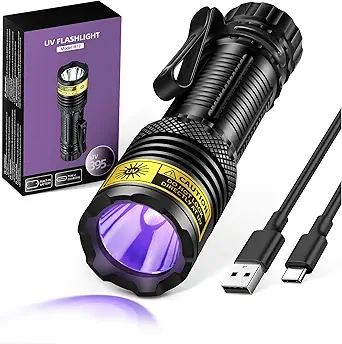
When shopping for a high-powered flashlight like the PHIXTON, which advertises an astonishing 100,000 lumens and a 3,280-foot beam, it's crucial to understand that such figures are often marketing exaggerations. Real-world performance depends on LED efficiency, battery capacity, and thermal management, not just the numbers on the box.
Key Considerations Before Buying
- Verify the actual lumen output: Many budget flashlights claim extreme lumens, but true output is typically much lower. Look for independent tests or certifications (like ANSI/NEMA FL1) that measure lumens at the emitter, not at the battery.
- Check battery type and runtime: The PHIXTON promises 15 hours of runtime, but this is likely at a low setting. High-lumen modes drain batteries quickly, so consider the battery chemistry (e.g., 18650, 21700) and whether the included USB-C charging is convenient for your needs.
- Evaluate build quality and durability: For a 'heavy duty' flashlight, look for an IPX water resistance rating (e.g., IPX6 or IPX7) and impact resistance. An aluminum body with a sturdy tail cap and a reliable switch are indicators of better construction.
What Our Analysts Recommend
A quality flashlight should have a well-regulated driver that maintains brightness as the battery drains, a lens that focuses without dark spots, and a user interface that is intuitive. Check for a low battery indicator and a lockout function to prevent accidental activation in a bag. Also, consider the warranty and customer service reputation of the brand, as budget models often lack support.
Handheld Flashlights Market Context
Market Overview
The handheld flashlight market has expanded dramatically with LED technology, offering consumers a wide range of options from pocket-sized EDC lights to powerful search-and-rescue beacons. The PHIXTON falls into the 'super bright' category, which is popular for camping, emergency preparedness, and outdoor activities.
Common Issues
A common issue in this category is inflated lumen claims, where products advertise 100,000 lumens but actually produce a fraction of that. Other frequent problems include poor heat dissipation (causing the light to dim after a few minutes), unreliable switches, and batteries that don't match the claimed capacity or lifespan.
Quality Indicators
Quality indicators include a well-designed heat sink (fins or a solid metal body), a high-CRI (Color Rendering Index) LED for accurate color, and a smooth, consistent beam pattern. Look for products that specify the LED brand (e.g., Cree, Luminus) and provide real-world runtime graphs. A reputable brand will also have a clear return policy and responsive customer service.
Review Authenticity Insights
Grade B Interpretation
The 'U' grade (Unrated) with 0.00% estimated fake reviews indicates that this product has no verified reviews yet, so the authenticity analysis is inconclusive. This is common for new listings, but it also means you have no independent verification of the product's performance.
Trust Recommendation
Because there are no reviews, be cautious. The lack of a rating (0.00/5) means you cannot rely on other buyers' experiences. Consider waiting until more reviews accumulate, or look for similar flashlights with established review histories to gauge performance.
Tips for Reading Reviews
When reviews do appear, look for verified purchase badges and detailed comments about real-world battery life, beam distance, and durability. Be wary of reviews that are overly generic or that only praise the product without specifics. Also, check if reviewers mention using the product for similar purposes (e.g., camping, home use) to gauge relevance.
Expert Perspective
The PHIXTON flashlight is a prime example of the 'too good to be true' segment, with extreme lumen and range claims that are likely not met. While it may be a functional light for basic tasks, the lack of reviews and authenticity data means there is no evidence to support its performance claims. The 15-hour runtime is probably at a lower setting, and the 3,280-foot beam is likely a theoretical maximum at a very tight focus, not a practical illumination distance.
Purchase Considerations
Before purchasing, consider your actual needs. If you need a reliable emergency light, a more modest 1,000-lumen flashlight from a reputable brand (like Fenix, Olight, or Streamlight) will be more trustworthy. If you're on a budget, set your expectations that the PHIXTON's output will be significantly less than advertised, and check for a return policy in case it doesn't meet your needs.
Comparing Alternatives
Shoppers should compare the PHIXTON with other flashlights in the $30-$60 range, focusing on those with independent reviews and ANSI FL1 ratings. Look for lights with at least 1,000 real lumens and a beam distance of 200-300 meters, which will be more than adequate for most home and camping uses.