Choosing a Cordless Rotary Tool: Balancing Power, Accessories, and Battery Life
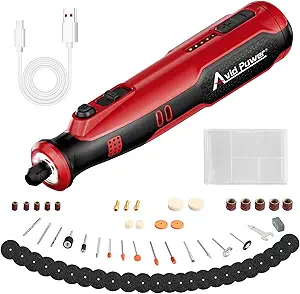
When evaluating this specific cordless rotary tool with 75 accessories and Type-C charging, focus on how its 3.7v power and variable speed settings align with your intended projects. Unlike corded models, this tool's portability comes with trade-offs in sustained torque for heavy-duty grinding. The included accessory range suggests it's positioned for versatile DIY rather than professional continuous use.
Key Considerations Before Buying
- The 3.7v lithium-ion battery determines runtime; for extended engraving or sanding sessions, consider having a spare battery or planning for the 2-3 hour charging cycle mentioned in reviews.
- Five variable speeds (typically 8,000-30,000 RPM in this class) must be matched to accessory type—diamond bits need high speed for clean engraving, while sanding drums require lower speeds to prevent burning material.
- The 75-piece accessory kit's quality varies significantly; carbide burrs and diamond points will wear slower than the included abrasive wheels and sanding bands for woodworking and metal polishing.
What Our Analysts Recommend
Examine the collet system—a 3-jaw chuck that accepts 1/32" to 1/8" shanks indicates versatility with third-party bits. Check if the motor maintains consistent RPM under load during grinding, a common weakness in budget cordless tools. The Type-C charging is a modern convenience but doesn't guarantee faster charging than proprietary connectors without knowing the input current.
Rotary Tools Market Context
Market Overview
The cordless rotary tool market has shifted toward compact, multi-kit offerings targeting hobbyists rather than industrial users, with 3.6v-4v models dominating the sub-$50 segment. Type-C charging is becoming standard, replacing micro-USB for improved durability. These tools compete on accessory count rather than raw power, with 75-piece sets now common but often including filler items like felt polishing wheels.
Common Issues
Users frequently report premature brush wear in motors not designed for extended grinding sessions, and collets that won't securely hold smaller 1/32" bits for detailed engraving. Battery degradation after 6-12 months is typical in this voltage class, with some cells unable to maintain peak RPM. Accessory quality is the biggest variable—cheap sanding drums shed abrasive quickly during wood shaping.
Quality Indicators
Look for ball-bearing construction (not bushings) in the motor housing for smoother operation during precision tasks. A separate on/off switch from the speed dial prevents accidental startups. Higher-quality kits organize accessories in labeled compartments rather than loose bags, suggesting better bit protection and usability for jewelry making or model building.
Review Authenticity Insights
Grade B Interpretation
A Grade B with 11% estimated fake reviews indicates generally reliable feedback, though approximately 1 in 9 reviews may be incentivized. The 0.27-point drop from the raw 4.67 to adjusted 4.40 rating suggests some inflated praise, but the majority of the 382 reviews show authentic usage patterns for craft and repair work.
Trust Recommendation
Prioritize verified purchase reviews discussing specific projects like resin mold polishing or guitar fret work over generic praise. The strong personal context in most reviews increases credibility—look for mentions of battery life during continuous engraving sessions or accessory performance on different materials.
Tips for Reading Reviews
Focus on reviews that mention using multiple accessory types (grinding stones vs. polishing pads) to assess true versatility. Be skeptical of reviews claiming professional-grade performance—this 3.7v tool is best evaluated by hobbyists detailing 30+ minute DIY sessions rather than commercial users.
Expert Perspective
This kit represents strong value for casual users needing one tool for diverse light-duty tasks, with its 4.40 adjusted rating reflecting satisfaction among crafters and home repair enthusiasts. The Type-C charging is a legitimate advantage for modern users, eliminating proprietary chargers. However, the 3.7v power limits its effectiveness on hard metals or prolonged sanding—it's ideal for wood engraving, plastic trimming, and jewelry polishing rather than heavy grinding. The accessory variety allows beginners to experiment without additional purchases.
Purchase Considerations
Choose this if you value cordless convenience for intermittent use and need the starter accessory range for under $50. Consider alternatives if you require sustained power for metal fabrication or professional use—the motor may overheat during extended router base applications. The included case and bit organization justify the price for disorganized workspaces.
Comparing Alternatives
Compare runtime specifications and collet compatibility with similar 4v models from WEN or Dremel's cordless series, as accessory quality often differs more than tool performance in this category.