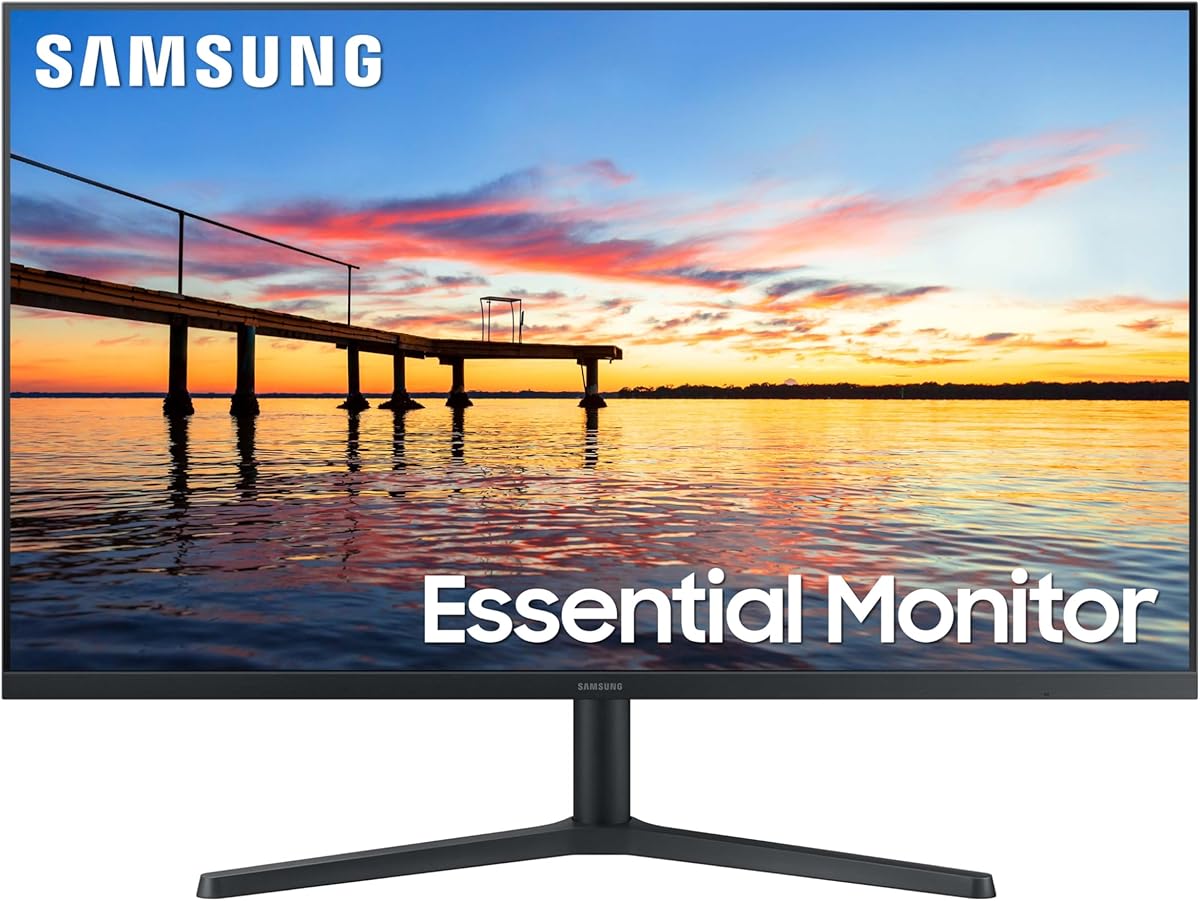
Samsung 32" Flat Monitor: Clarity, Color, and Connectivity for Daily Computing
When stepping up to a 32-inch flat monitor, you're choosing a substantial screen real estate upgrade for productivity, entertainment, or creative work. This Samsung model, with its 4.89-star rating from nearly a thousand buyers, is clearly a crowd-pleaser, but understanding its specific strengths—like its resolution, panel type, and refresh rate—is essential before you commit.
Key Considerations Before Buying
- Resolution and pixel density: At 32 inches, a 1080p (Full HD) resolution results in a lower pixel density than on smaller monitors, making text and images appear less sharp. If you're using this for close-up work like spreadsheets or photo editing, consider whether a 1440p (QHD) or 4K model might be a better fit.
- Panel technology: Samsung uses a variety of panel types (e.g., IPS, VA, TN) across its 32-inch lineup. IPS offers superior color accuracy and viewing angles, while VA typically provides higher contrast ratios for deeper blacks. Check the specific model's panel type to ensure it matches your primary use case.
- Connectivity and ergonomics: Verify that the monitor has the ports you need (HDMI, DisplayPort, USB-C) and offers height, tilt, and swivel adjustments. A 32-inch monitor without ergonomic adjustments can be a pain to set up comfortably, especially for long work sessions.
What Our Analysts Recommend
Quality indicators for a 32-inch flat monitor include a high contrast ratio (e.g., 3000:1 or better for VA panels), good color coverage (sRGB 100% or higher), and a fast response time (5ms or less) to minimize ghosting. Also, look for a monitor with a flicker-free backlight and low blue light mode to reduce eye strain during extended use.
Monitors Market Context
Market Overview
The computer monitor market has evolved significantly, with 32-inch screens becoming a sweet spot for users who want a large display without the cost of an ultrawide. Modern monitors offer a range of features—from high refresh rates for gaming to factory-calibrated colors for creative professionals—making it crucial to identify your priorities. Samsung remains a dominant player, leveraging its display technology expertise to offer a mix of budget-friendly and premium options.
Common Issues
Common issues with large flat monitors include backlight bleeding (light leaking around the edges), uniformity problems (inconsistent brightness across the screen), and dead pixels. Some users also report that a 32-inch flat screen can cause neck strain if not positioned correctly, especially if it's too low. Additionally, lower-resolution models may display text that looks slightly pixelated up close.
Quality Indicators
To identify a quality monitor, look for certifications like VESA DisplayHDR, which ensures a certain level of brightness and color gamut. Also, check for a low input lag and support for Adaptive-Sync (FreeSync/G-Sync) if you plan to game. A robust warranty and a reputable brand like Samsung are good signs, but always read recent reviews to gauge real-world reliability.
Review Authenticity Insights
Grade B Interpretation
The Grade B rating and 10% estimated fake review percentage indicate that while the majority of reviews are authentic, there's a small but notable portion that may be incentivized or manipulated. This is not unusual for a popular product, but it means you should be slightly cautious about the absolute rating. The adjusted rating of 4.60 out of 5, which excludes suspicious reviews, is still very strong, suggesting the product genuinely performs well.
Trust Recommendation
Given the high volume of verified purchases and the specific personal context in many reviews (e.g., users mentioning they replaced dual monitors or discussing their Surface Pro's refresh rate), you can trust the overall sentiment. However, when reading reviews, focus on those with detailed, balanced feedback rather than overly effusive or vague ones. This will give you a more accurate picture of the monitor's real-world performance.
Tips for Reading Reviews
For a monitor, pay special attention to reviews that mention specific use cases—like coding, design, or console gaming—as these often highlight strengths and weaknesses you might not consider. Look for comments on color accuracy, viewing angles, and any issues with dead pixels or backlight bleed. Also, check if the reviewer mentions the exact model number, as Samsung often has multiple similar-looking 32-inch monitors with different specs.
Expert Perspective
Based on the analysis, this Samsung 32-inch flat monitor appears to be a reliable choice, with a strong adjusted rating of 4.60 that suggests genuine user satisfaction. The fact that reviews are overwhelmingly from verified purchases and include specific technical details (like refresh rate limitations with certain devices) indicates a well-informed user base. While the 10% estimated fake review rate is a minor concern, it's unlikely to significantly skew your decision, given the large sample size and the consistency of positive feedback.
Purchase Considerations
Before buying, confirm the exact resolution and panel type of this model—if it's 1080p, consider whether that's acceptable for your viewing distance and usage. Also, think about your computer's graphics output; if you have a high-end GPU, you might want a monitor with a higher refresh rate (144Hz or more) for smoother motion. If your needs are basic (office work, web browsing), this monitor's performance and price point are likely to be a great fit.
Comparing Alternatives
Shoppers should compare this monitor with other 32-inch options from brands like LG, Dell, and ASUS, which may offer different panel technologies or additional features like USB-C hubs. Also, consider whether an ultrawide or curved monitor might better suit your workspace and multitasking needs.