
How to Choose a Kids Microscope That Actually Gets Used
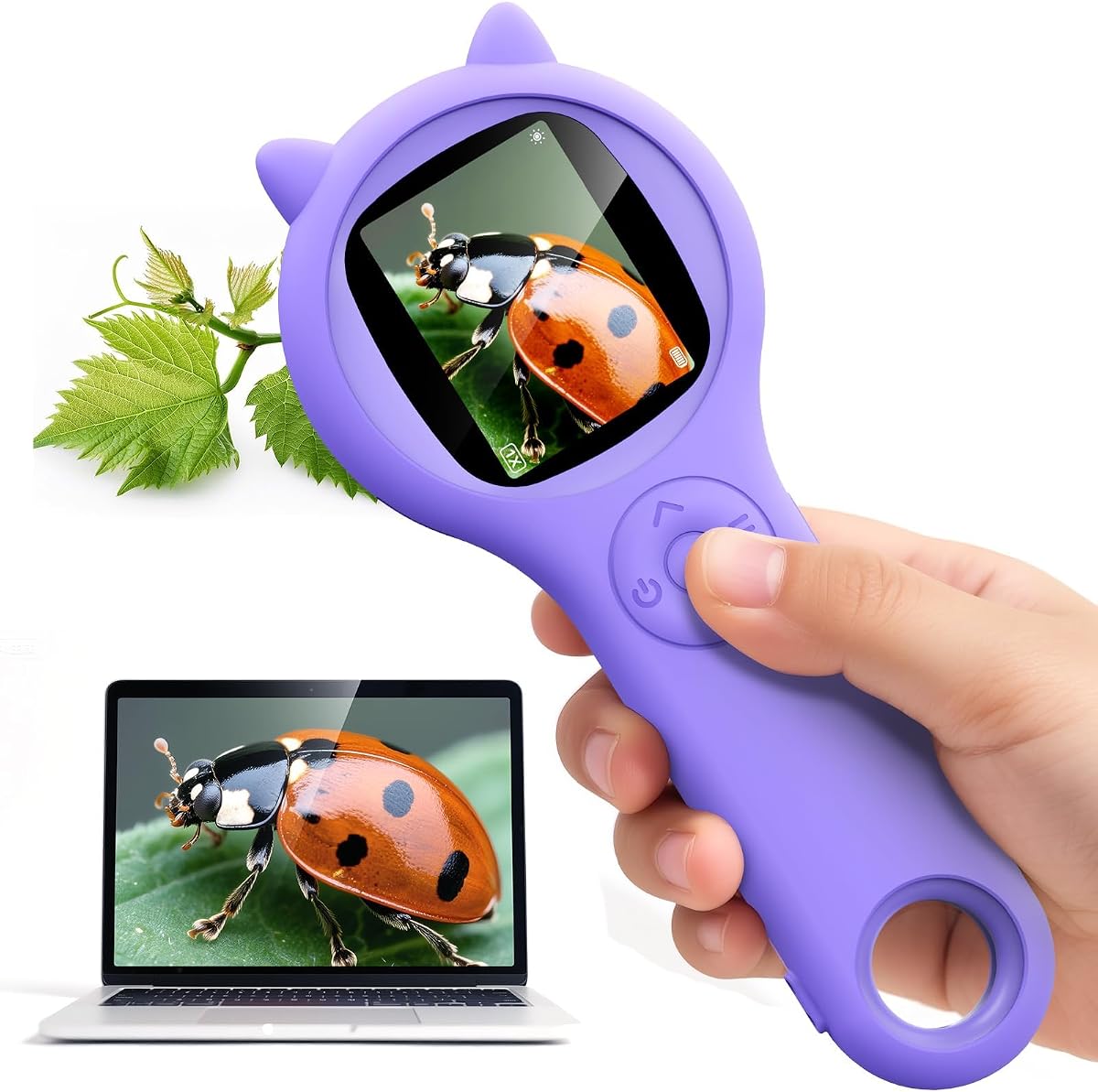
A kids microscope like this 500X digital magnifying glass in purple can spark real STEM interest—if it matches your child's age and patience level. This model targets ages 5–10 with simple magnification and a handheld design, but parents should know what 500X means in practice before buying.
Key Considerations Before Buying
- Magnification claims can mislead: 500X sounds impressive, but digital microscopes at this price often achieve it through software zoom, which degrades image quality. For young kids, 100X–200X optical magnification is more useful and less frustrating.
- Power and portability: This is a handheld digital magnifying glass, not a traditional benchtop microscope. Check whether it runs on batteries or USB—battery life and charging method affect how often kids can use it without interruption.
- Age and fine motor skills: A handheld digital scope requires steady hands and an understanding of focus. It suits kids 6+ who can hold a device steady, while younger children may do better with a simple magnifying glass or a beginner microscope with a fixed stage.
What Our Analysts Recommend
Look for clear focus controls, a screen or eyepiece that's comfortable for small eyes, and durable construction that survives drops. Check that the magnification range is realistic for the intended age—overly high zoom often means blurry images that discourage kids.
Microscopes Market Context
Market Overview
The kids microscope market is flooded with low-cost digital scopes and plastic beginner microscopes, many marketed with inflated magnification numbers. Parents increasingly seek STEM toys that balance education with fun, but quality varies widely between brands.
Common Issues
Common complaints include blurry images at high magnification, flimsy plastic parts that break quickly, and confusing controls that frustrate kids. Battery drain and poor screen visibility are also frequent problems in handheld digital models.
Quality Indicators
A quality kids microscope has a sturdy build, intuitive focus knobs, and a magnification range appropriate for its audience. Reliable brands often provide clear instructions and sample slides or specimens to get kids started immediately.
Review Authenticity Insights
Grade B Interpretation
A Grade B authenticity rating with 15% estimated fake reviews means most reviews are genuine, but a noticeable minority may be manipulated. The adjusted rating of 4.30/5 (down from 4.67) suggests real customer satisfaction is still high, though slightly lower than the raw score implies.
Trust Recommendation
Trust the adjusted rating more than the headline score, and focus on reviews that describe specific use cases, like buying for a grandchild or using it for homeschool science. These detailed accounts are more reliable than short, generic praise.
Tips for Reading Reviews
Look for reviews mentioning durability, image clarity, and battery life—these are the most common pain points. Be wary of reviews that only praise the product without mentioning any drawbacks, as they may be incentivized.
Expert Perspective
This kids microscope has strong genuine appeal, with most reviewers reporting positive experiences for children aged 5–10. The 500X digital magnification is likely achieved via digital zoom, which limits image quality, but for casual exploration it can still be engaging. The purple color and handheld design add kid-friendly appeal.
Purchase Considerations
Weigh the low price against potential limitations: if your child is serious about microscopy, a traditional beginner microscope with optical lenses may offer better clarity. If you want a portable, instant-fun tool for nature walks, this digital magnifier could be a hit.
Comparing Alternatives
Compare with other handheld digital microscopes and beginner optical microscopes in the same price range to ensure you get the best fit for your child's needs.


