
Choosing a Home Red Light Therapy Panel: Wavelengths, Power, and Practicality
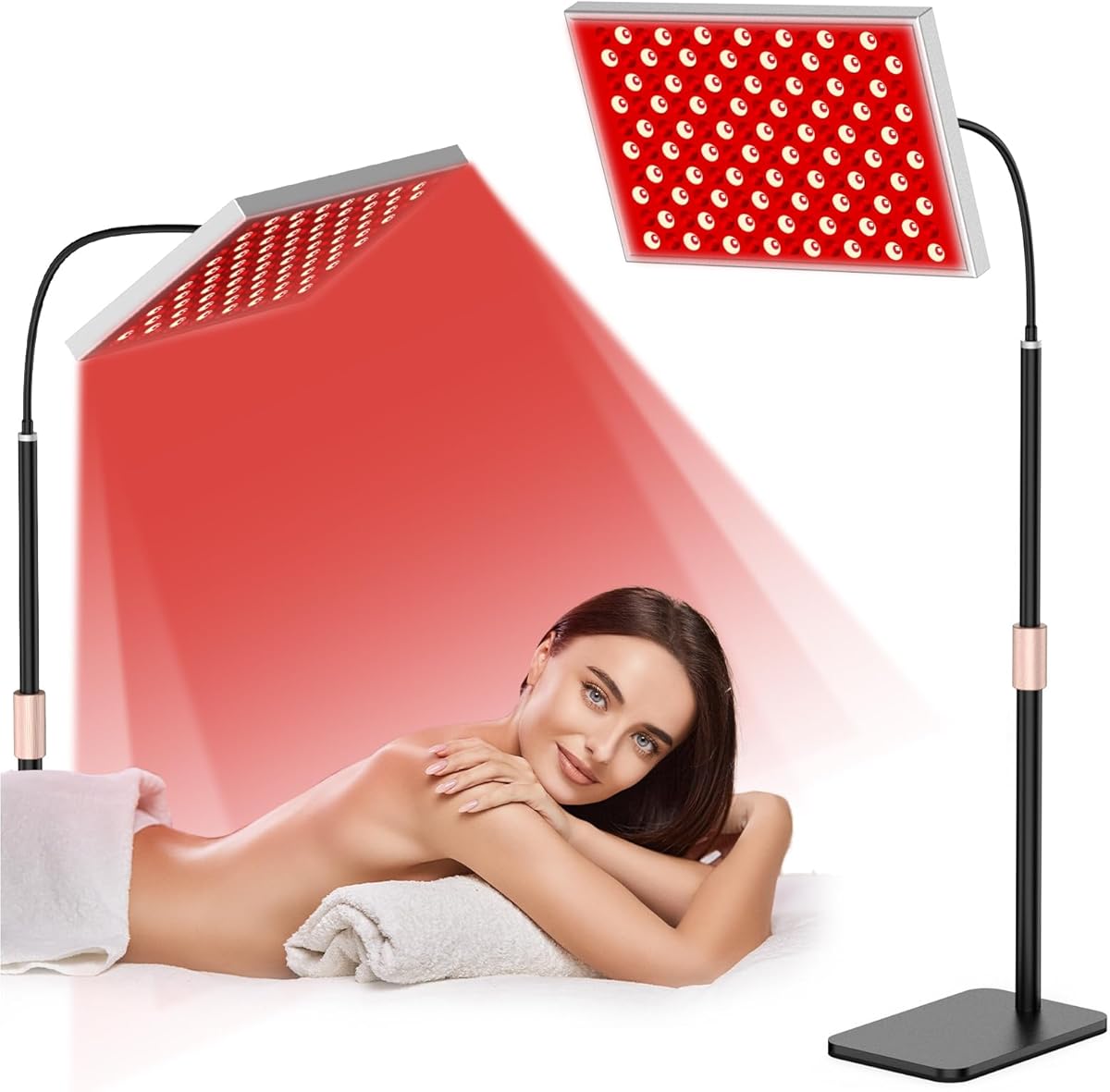
This specific panel combines 660nm red light for skin and surface benefits with 850nm near-infrared for deeper tissue penetration, a dual-wavelength approach common in professional settings. The included stand adds versatility for full-body treatments, but requires evaluating your space and intended treatment areas. Unlike single-purpose wands, this panel design allows simultaneous treatment of larger areas like the back or legs.
Key Considerations Before Buying
- Verify the actual irradiance (power density in mW/cm²) at your intended treatment distance; many home panels lack sufficient intensity for clinically meaningful doses within reasonable timeframes.
- Assess the stand's stability and height adjustment range—this model's floor stand is convenient for legs and back but may be awkward for targeted facial use without a chair or table.
- Consider treatment timing: effective protocols typically require consistent 10-20 minute sessions, so factor in daily commitment and whether the panel's size fits your routine space.
What Our Analysts Recommend
Quality panels use medical-grade LEDs with proper heat dissipation (metal housing, visible cooling vents) to maintain wavelength accuracy over time. Check for FDA-registered manufacturing facilities (not just 'FDA-cleared' claims) and transparent specifications about LED count, total power output, and recommended treatment distances. The 660/850nm combination should be clearly documented, not just 'red and infrared'.
Light Therapy Market Context
Market Overview
The home red light therapy market has exploded with panels ranging from $50 consumer gadgets to $1000+ professional-grade devices, creating significant quality variance. Most products now offer dual wavelengths like this 660nm/850nm panel, but actual power output and build quality differ dramatically between brands claiming similar specifications.
Common Issues
Users frequently report inconsistent results due to underpowered LEDs, poor manufacturing leading to early failure, and misleading claims about FDA status. The 'gift for women' marketing common with this product often obscures the medical device nature of effective photobiomodulation therapy.
Quality Indicators
Look for independent third-party verification of wavelength accuracy and irradiance measurements, not just manufacturer claims. Higher-quality panels typically specify LED chip brands (like Epileds or Cree) and provide detailed safety certifications beyond basic ETL/UL listing. Metal construction generally indicates better heat management than all-plastic housings.
Review Authenticity Insights
Grade B Interpretation
A Grade B with 15% estimated fake reviews indicates generally authentic feedback but suggests some review manipulation—common in competitive wellness categories. The 0.32-point drop from the displayed 4.22 to adjusted 3.90 rating reveals inflated positive sentiment, though the core reviews remain mostly genuine.
Trust Recommendation
Focus on verified purchase reviews discussing specific outcomes over time (e.g., 'after 6 weeks of daily use') rather than immediate impressions. The authenticity analysis suggests mid-tier review reliability—trust detailed negative reviews discussing technical failures or intensity concerns more than vague positive ones.
Tips for Reading Reviews
Prioritize reviews mentioning consistent use for 30+ days and specific conditions (joint pain, skin texture) over general 'feels good' comments. Look for discussions about stand stability, treatment positioning challenges, and actual measurements of treatment area coverage—these practical details indicate authentic experience.
Expert Perspective
This panel's dual-wavelength specification aligns with therapeutic protocols, but the marketing emphasis as a 'gift for women' potentially undersells its medical device functionality. The adjusted 3.90 rating from authentic reviews suggests satisfactory but not exceptional performance—typical for mid-range home panels where users report modest benefits but note limitations in power or convenience. The included stand adds value but also creates storage considerations many reviewers don't initially anticipate.
Purchase Considerations
Weigh whether the floor-standing panel design suits your primary use case—ideal for full-body treatments but potentially cumbersome for focused facial applications. Consider that 1228 reviews with B-grade authenticity provide substantial real-world data, but the 15% fake rate means discounting the most effusive praise. The wavelength combination is theoretically sound, but effectiveness depends heavily on actual irradiance at your skin.
Comparing Alternatives
Compare this panel's specifications against handheld devices for spot treatment or larger professional panels if treating multiple large areas simultaneously.


