Clear Glass Super Glue: 5 Critical Factors Before You Bond
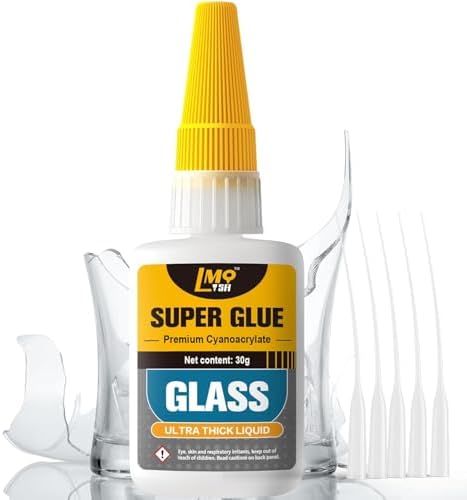
When repairing glass with a cyanoacrylate adhesive like this clear instant glue, the key is understanding its viscosity and cure time. This product's liquid form means it's ideal for tight-fitting joints, but it requires careful application to avoid fogging or excess residue.
Key Considerations Before Buying
- Viscosity matters: A thin liquid CA glue is perfect for capillary action into hairline cracks, but for larger gaps, you'll need a gel or a two-part epoxy. Ensure the glass surfaces are perfectly aligned before application.
- Moisture is a catalyst: Cyanoacrylate cures faster with humidity, but too much can cause blooming (white residue). Work in a dry environment and use a thin coat to minimize this risk.
- Gap filling is minimal: This glue is not a filler. If your glass pieces have gaps or chips, consider a UV-curing adhesive or epoxy that can bridge voids and provide structural support.
What Our Analysts Recommend
Check the stated viscosity (e.g., low, medium, high) and the bond strength ratings. A quality glass CA glue should be clear when cured, offer a fast initial set (under 60 seconds), and have a reasonable shelf life—look for packaging that mentions moisture resistance or a sealed cap to prevent clogging.
Cyanoacrylate Adhesives Market Context
Market Overview
The cyanoacrylate adhesive market is saturated with 'super glues,' but glass-specific formulations are a niche segment. These products differentiate themselves by offering clearer bonds, better moisture resistance, and higher temperature tolerance compared to general-purpose CA glues.
Common Issues
Users frequently report issues with glue not bonding to smooth glass surfaces, clogged nozzles, or the bond turning white or cloudy over time. Another common problem is the glue running or dripping during application, leading to messy results.
Quality Indicators
High-quality glass CA glues typically have a low-viscosity formula that spreads evenly, a precise applicator tip for controlled use, and a formulation that resists yellowing from UV exposure. Look for products that specify 'glass repair' and provide a tensile strength rating.
Review Authenticity Insights
Grade B Interpretation
The Grade B rating and 10% estimated fake reviews suggest that while the majority of the 3,162 reviews are genuine, a small but notable percentage may be incentivized or fabricated. This is slightly above the typical baseline for Amazon, but not alarming, and the high adjusted rating of 4.60 still indicates strong real-world performance.
Trust Recommendation
Given the 10% fake rate, you can still trust the overall consensus but should read a mix of positive and negative reviews. Focus on verified purchases and look for detailed accounts of specific glass repair projects—these are more likely to be authentic and informative.
Tips for Reading Reviews
For this type of product, ignore reviews that lack specifics about the glass type or repair scenario. Instead, prioritize reviews that mention cure time, clarity, and durability after weeks of use. Also, watch for repeated phrases or overly generic language, which are red flags for fake reviews.
Expert Perspective
This glass super glue appears to be a solid performer for its intended use, with a high genuine satisfaction rate. The product's liquid form is suited for precise repairs, and the 4.60 adjusted rating suggests it delivers on its promises for most users. However, the 10% fake review rate indicates you should approach with a bit of caution, but not skepticism.
Purchase Considerations
If you're repairing a non-structural glass item (like a decorative piece or a small crack), this is a reasonable choice. But for load-bearing glass applications (like a tabletop or aquarium), consider a specialized glass adhesive with a higher viscosity or a UV-curing option. Also, factor in the need for proper surface prep—clean and dry the glass thoroughly.
Comparing Alternatives
Shoppers should compare this with other glass-specific CA glues, such as those with brush-on applicators or gel formulas, to find the best match for their particular repair needs.