Evaluating budget Android tablets: balancing impressive specs with real-world performance
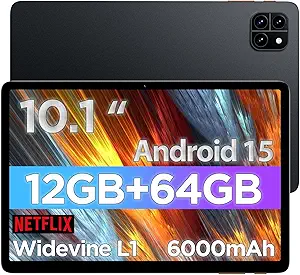
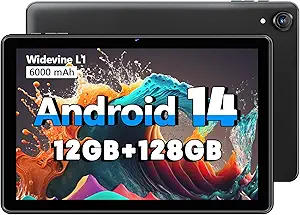
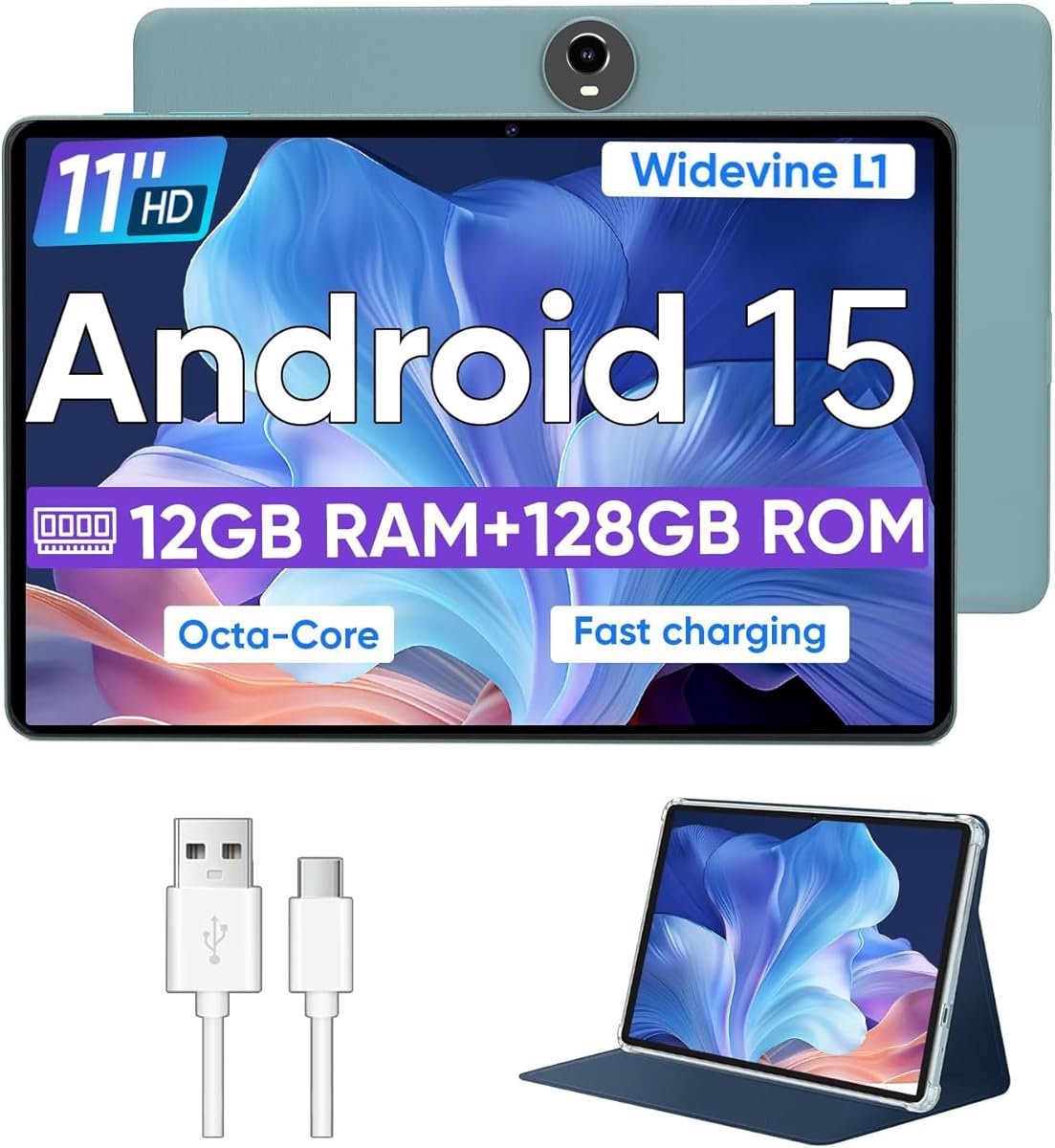
When considering this specific 11-inch Android 15 tablet with 12GB RAM and 8000mAh battery, buyers should understand that spec sheets can be misleading in the budget tablet segment. The combination of Android 15 on a new device, Widevine L1 certification for HD streaming, and 1TB expansion capability suggests a device targeting media consumption, but real-world performance depends heavily on processor quality and software optimization not fully detailed in the listing.
Key Considerations Before Buying
- The 'Octa Core Processor' specification lacks crucial details about chipset model and architecture, which significantly impacts whether the 12GB RAM translates to smooth multitasking or merely looks impressive on paper.
- Widevine L1 certification enables HD streaming from services like Netflix, but actual display quality—including resolution, brightness, and color accuracy—isn't specified and often represents a compromise point in tablets at this price tier.
- The 8000mAh battery capacity suggests good endurance, but actual battery life depends heavily on display technology and processor efficiency, with some budget tablets sacrificing efficiency for lower component costs.
What Our Analysts Recommend
For tablets in this category, prioritize reviews that mention specific performance benchmarks like app loading times, multi-app switching, and gaming frame rates rather than just listing specifications. Look for mentions of display quality in various lighting conditions and battery drain during video playback, as these reveal real-world utility beyond the advertised 8000mAh capacity.
Tablets Market Context
Market Overview
The budget Android tablet market is currently flooded with devices offering impressive paper specifications at aggressive prices, creating intense competition where some manufacturers prioritize headline specs over consistent performance. New Android 15 devices at this price point often use modified or scaled-back versions of the operating system to accommodate less powerful hardware.
Common Issues
Common problems include inconsistent touch response, poor display viewing angles, thermal throttling during extended use, and software updates that arrive slowly or not at all despite the latest Android version being advertised. The included cases for these tablets are frequently low-quality accessories that provide minimal protection.
Quality Indicators
Quality indicators for budget tablets include consistent mention of smooth performance in verified purchase reviews, specific chipset identification (like MediaTek or Unisoc models), and transparency about display resolution beyond just size. Manufacturers that disclose actual screen technology (IPS vs. TN) and brightness levels typically offer more reliable products.
Review Authenticity Insights
Grade D Interpretation
A Grade D authenticity rating with 42% potentially fake reviews indicates significant manipulation of the review landscape, particularly concerning given the unusually high 4.87/5 rating from only 549 reviews. This discrepancy between the adjusted 3.80/5 rating and displayed rating suggests the product's performance may not match its overwhelmingly positive initial impression.
Trust Recommendation
Given the high fake review percentage, place greater weight on critical 3-star and below reviews, and specifically seek out reviews that mention using the tablet for more than a week. Look for reviews that discuss the dual-band WiFi performance, GPS accuracy, and camera quality in detail, as these are less likely to be fabricated.
Tips for Reading Reviews
For this tablet, prioritize reviews that mention specific use cases like video conferencing performance, document editing capabilities, or gaming experiences with named titles. Be skeptical of reviews that only praise specifications without describing actual usage, and pay particular attention to reviews discussing the FM radio and GPS functionality—features often poorly implemented in budget tablets.
Expert Perspective
This tablet presents a classic budget segment dilemma: impressive specifications on paper—particularly the 12GB RAM and Android 15—conflict with concerning authenticity metrics. The 42% potentially fake review rate and significant rating adjustment from 4.87 to 3.80 suggest the product may not deliver the premium experience its specifications imply. The inclusion of Widevine L1 and dual-band WiFi indicates targeting of media consumers, but without knowing the actual chipset or display resolution, performance consistency remains questionable.
Purchase Considerations
Weigh the generous RAM and storage expansion against the likelihood of receiving a device with inconsistent performance and potential software issues. Consider whether you truly need 12GB RAM for your use cases, or if a more established brand with verified performance at 6-8GB RAM might provide better reliability despite lower specifications on paper.
Comparing Alternatives
Shoppers should compare this device against similarly priced tablets from brands with more established review histories and transparency about processor models and display specifications.