Portable Solar Power: What to Know Before Buying a 1kWh Generator
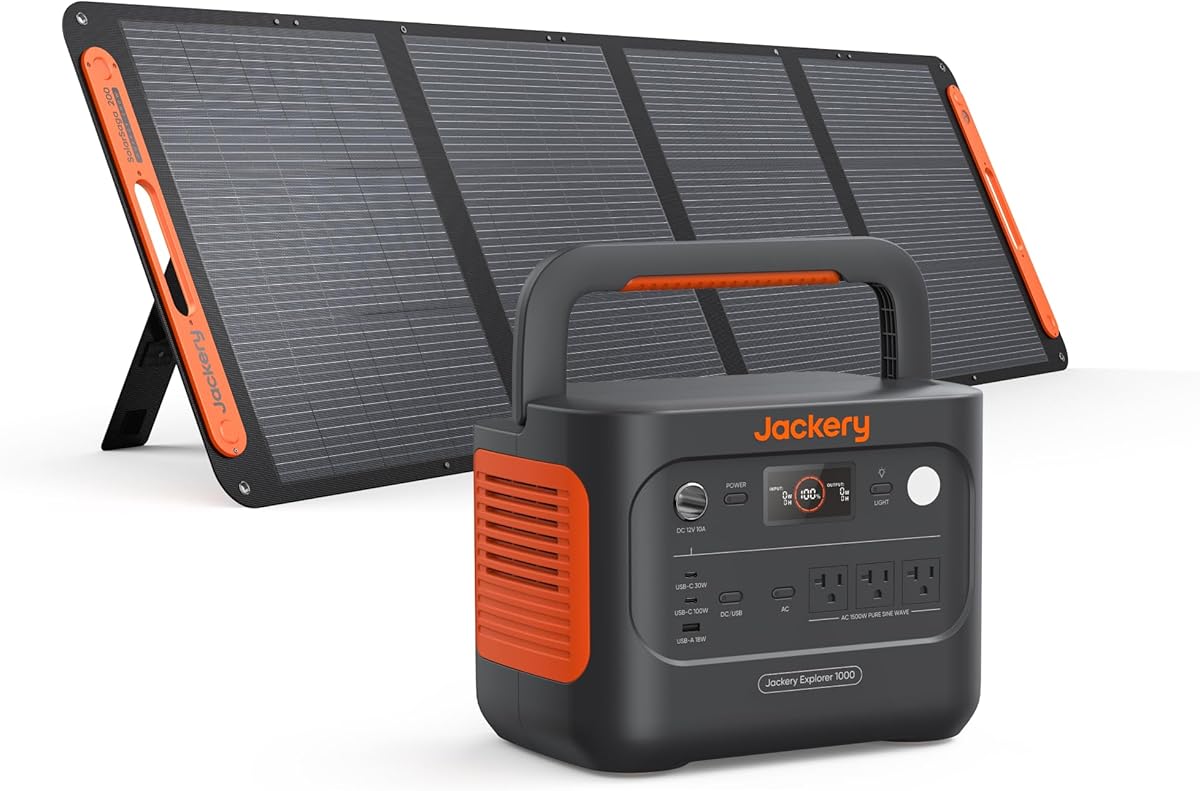
The Jackery Solar Generator 1000 v2 pairs a 1070Wh LiFePO4 battery with a 200W folding solar panel, delivering 1500W AC output for camping, tailgating, or emergency backup. Unlike gas generators, this system runs silently indoors and requires no fuel, but its real-world performance depends on understanding capacity, solar recharge times, and load management.
Key Considerations Before Buying
- Capacity vs. runtime: 1070Wh runs a 60W fridge for roughly 15 hours or a 1000W microwave for about 50 minutes, so match the battery size to your longest essential load rather than peak wattage.
- Solar recharge speed: The included 200W panel can recharge the unit in as little as 6-8 hours of full sun, but partial shade, cloud cover, or non-optimal panel angles will extend that time significantly.
- AC output limits: The 1500W continuous (3000W surge) inverter handles most appliances, but devices with high startup draw—like some well pumps or large power tools—may trip the overload protection.
What Our Analysts Recommend
Check for LiFePO4 battery chemistry (longer cycle life than older NMC packs), a pure sine wave inverter for sensitive electronics, and pass-through charging that lets you power devices while the generator recharges. Also verify the solar panel's connector type and whether the system supports expansion batteries for future capacity upgrades.
Generators Market Context
Market Overview
The portable power station market has shifted toward LiFePO4 batteries, which offer 3,000-5,000 charge cycles versus 500-800 for older lithium-ion designs. Solar generator bundles like this one are increasingly popular as plug-and-play emergency kits, but prices vary widely based on inverter quality and panel efficiency.
Common Issues
Buyers often overestimate how much a 1kWh battery can power—running a space heater or electric kettle will drain it in under an hour. Another frequent complaint is solar recharge time: a 200W panel rarely delivers its full rating, so a full recharge can take a full day of ideal sunlight. Some units also have loud cooling fans under heavy load.
Quality Indicators
Look for UL or ETL safety certifications, a clear watt-hour rating (not just 'peak' or 'surge' watts), and a warranty of at least 3-5 years. Reputable brands publish discharge curves and cycle-life data, and they offer expansion batteries or replacement parts rather than forcing a full repurchase.
Review Authenticity Insights
Grade A Interpretation
With an A authenticity grade and only 8% estimated fake reviews, this product's 4.44-star rating (4.30 adjusted) is unusually trustworthy for the category. The adjusted score remains strong, suggesting genuine satisfaction even after filtering out potential outliers.
Trust Recommendation
You can rely on the overall rating, but read the 1- and 2-star reviews carefully—they often reveal realistic limitations like solar recharge speed or AC overload behavior that happy campers may not mention. Focus on reviews that describe specific use cases and runtime tests.
Tips for Reading Reviews
Look for reviewers who mention how long the unit powered a specific device (e.g., 'ran my CPAP for 3 nights') or how many hours it took to recharge via solar. Be skeptical of reviews that only praise the packaging or shipping speed, and cross-check claims about capacity against the official specs.
Expert Perspective
The Jackery Solar Generator 1000 v2 is a solid mid-tier option for short-term backup and outdoor use, with a trustworthy review profile that suggests reliable performance. Its LiFePO4 battery should outlast older NMC competitors, and the 1500W inverter covers most small appliances. However, the 1070Wh capacity is modest for whole-home backup—it's best for essentials like a fridge, lights, and phones during a multi-day outage.
Purchase Considerations
Weigh the included 200W panel against your climate: if you get less than 4 peak sun hours daily, you may need a second panel or a wall-charging plan. Also consider whether you need expansion batteries later, as not all brands support daisy-chaining. The 4.30 adjusted rating suggests most buyers find it meets expectations, but verify your critical loads fit within its continuous output.
Comparing Alternatives
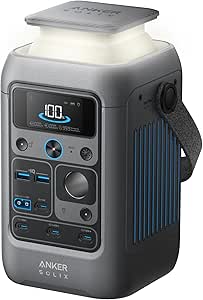
Compare with similar 1kWh LiFePO4 stations from EcoFlow, Bluetti, and Anker, especially for higher surge ratings or faster solar input.