
Choosing Healing Tuning Forks: What Matters for Sound Therapy Effectiveness
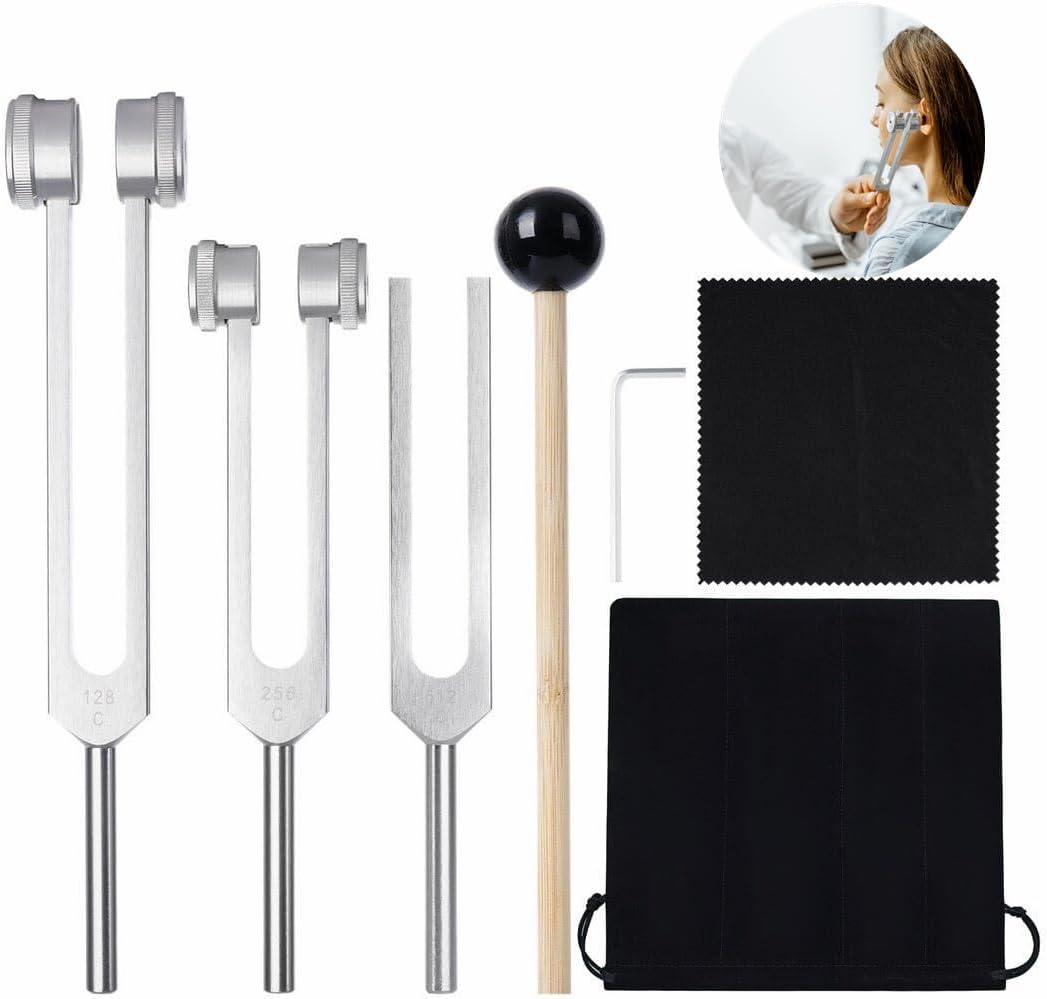
This specific 3-pack tuning fork set (128Hz, 256Hz, 512Hz) targets chakra work and stress reduction, not musical tuning. Buyers should understand that these frequencies correspond to specific therapeutic applications—128Hz for grounding, 256Hz for emotional balance, and 512Hz for mental clarity—making this combination particularly suited for beginners in sound healing.
Key Considerations Before Buying
- The 128Hz fork in this set is unusually low for standard tuning forks but aligns with Earth frequency work in sound therapy, requiring proper activation technique to produce audible vibrations.
- These aluminum alloy forks lack rubber activators mentioned in some reviews, meaning users must strike them against specialized surfaces or use mallets, affecting practical use in therapeutic settings.
- The set's medical claims about stress reduction should be evaluated against personal sensitivity to acoustic vibration, as effectiveness varies significantly between individuals.
What Our Analysts Recommend
Quality healing tuning forks maintain consistent vibration duration (15-25 seconds is standard) without overtone distortion. Check that the tines are precisely aligned and the stem has adequate weight for proper handling during chakra point application. The included velvet pouch in this set indicates basic protection but doesn't guarantee professional-grade durability.
Tuning Market Context
Market Overview
The sound healing instrument market has expanded rapidly, with tuning fork sets now ranging from basic aluminum models under $30 to professional-grade titanium sets exceeding $200. This 3-pack sits at the entry-level price point while offering multiple frequencies typically sold separately.
Common Issues
Budget tuning forks often suffer from inconsistent harmonics, short vibration duration, or poor weight distribution that affects therapeutic application. Many sets lack proper activation tools, forcing users to improvise striking methods that can damage the forks or produce inconsistent tones.
Quality Indicators
Listen for clean fundamental tones without metallic ringing overtones. Higher quality forks feature weighted handles for easier application to the body and come with properly sized rubber activators. The fork's finish should be smooth without visible seams or casting marks that affect vibration purity.
Review Authenticity Insights
Grade B Interpretation
A Grade B authenticity rating with 10% estimated fake reviews indicates predominantly genuine feedback but suggests some review manipulation may exist. For this niche product, the 3.60 adjusted rating (down from 3.75) reflects more reliable user experiences than the raw average suggests.
Trust Recommendation
Focus on reviews discussing specific therapeutic applications rather than general praise. Given the 10% fake review potential, pay particular attention to critical reviews mentioning vibration duration or activation difficulties, as these often contain the most actionable insights for potential buyers.
Tips for Reading Reviews
Look for reviews mentioning actual use cases like 'used on crown chakra' or 'combined with meditation' rather than vague wellness claims. Reviews discussing the different frequencies' distinct effects (128Hz vs 512Hz) typically indicate genuine therapeutic use versus promotional content.
Expert Perspective
This set represents a functional entry point into sound therapy with its three distinct frequencies covering basic chakra work. The 3.60 adjusted rating from verified reviews suggests users find value but encounter limitations—particularly around activation methods and vibration quality. The inclusion of 128Hz (uncommon in musical forks) shows intentional design for grounding work, though its effectiveness depends heavily on proper technique. The aluminum construction keeps costs down but may limit projection compared to professional brass or titanium forks.
Purchase Considerations
Consider whether you need all three frequencies or would benefit more from a higher-quality single fork. Beginners should factor in the additional cost of proper activation tools, as the set lacks them. Those with specific therapeutic goals should verify that these exact frequencies (128Hz, 256Hz, 512Hz) align with their chosen modality's protocols.
Comparing Alternatives
Compare vibration duration claims and activation methods with similarly priced sets, as these practical factors significantly impact therapeutic application more than frequency specifications alone.


