Choosing the Right 7-Way to SAE Adapter: Gauge, Length, and Weatherproofing Matter
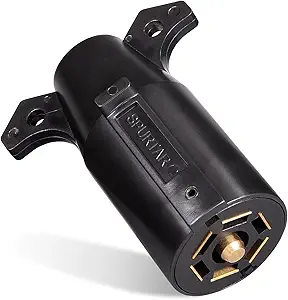
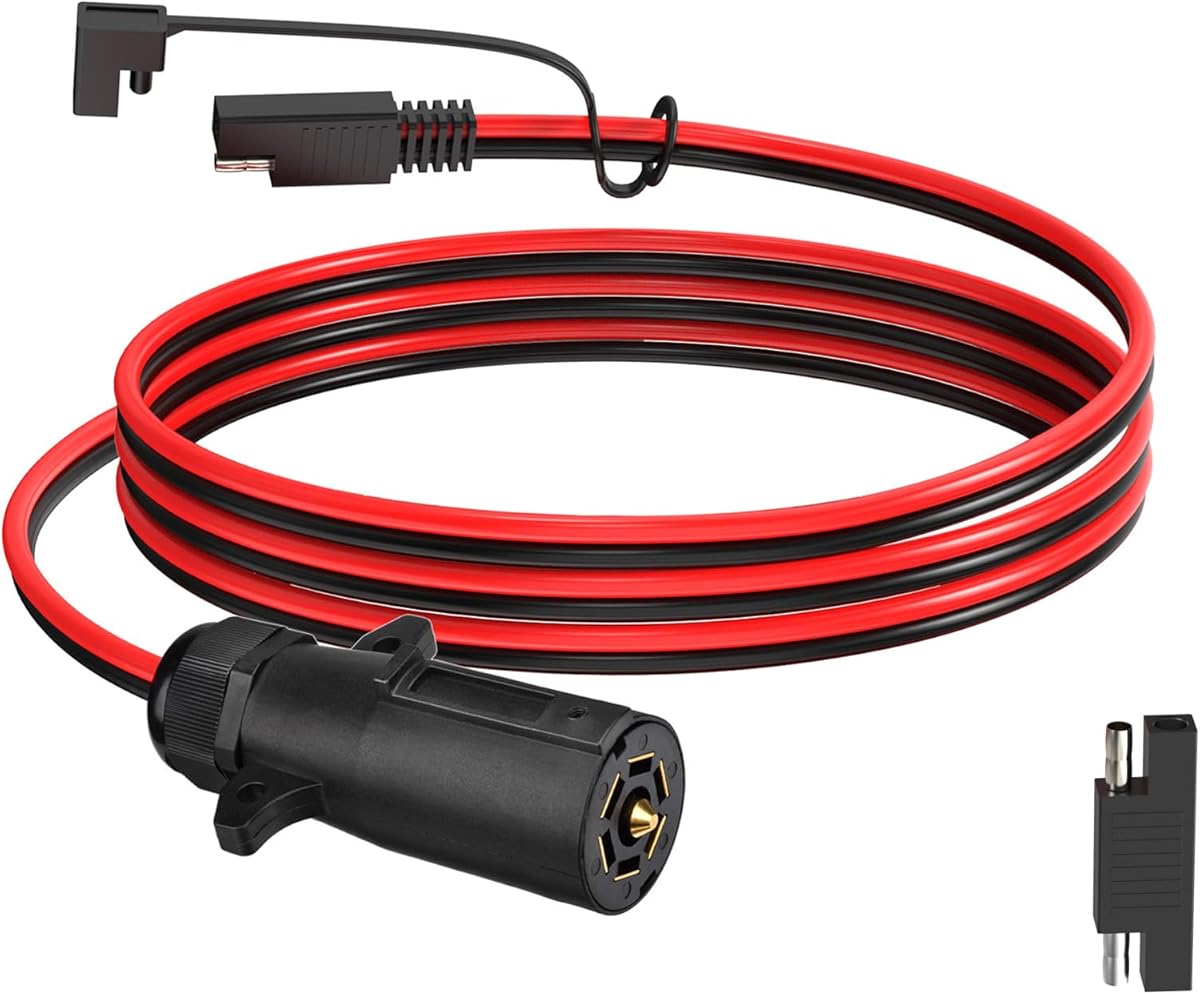
This specific 7-way trailer plug to SAE cable adapter serves a niche but critical function: connecting modern trailer lighting systems to vehicles or equipment with SAE power ports. The 10AWG wiring and included reverse adapter are key features that directly impact performance for RV, truck, and utility trailer owners needing reliable auxiliary power transfer.
Key Considerations Before Buying
- Wire gauge is non-negotiable: This product's 10AWG specification is essential for handling the amperage required by trailer brakes, lights, and charging circuits without voltage drop or overheating over its 2-foot length.
- The included SAE reverse adapter addresses a common compatibility headache, allowing connection to both standard and reverse-polarity SAE sockets found on different manufacturers' equipment.
- A 2-foot cable provides just enough slack for clean routing but requires precise measurement of your vehicle's trailer plug location relative to your SAE power source to avoid tension or strain on the connections.
What Our Analysts Recommend
Examine the molded connector boots for proper strain relief where wires enter the 7-pin plug and SAE connector—this is a primary failure point in cheaper adapters. Quality units will use copper-alloy pins in the 7-way plug that resist corrosion better than plain brass, and the SAE connector should have a positive, waterproof snap-fit engagement.
Connectors Market Context
Market Overview
The trailer connector adapter market is flooded with low-cost options using undersized 12AWG or 14AWG wire that can't safely handle the 30-40 amp loads a 7-way circuit may demand, particularly for electric brake systems. Products with verified 10AWG wiring, like this one, occupy a higher reliability tier.
Common Issues
Premature failure often stems from inadequate weather sealing at connector junctions, leading to corroded pins and intermittent signals. Another frequent complaint is adapters without reverse-polarity solutions, rendering them useless for half of the SAE sockets on the market.
Quality Indicators
Superior adapters specify the wire gauge (AWG) prominently, feature dual-wall heat-shrink or rubber boots over solder joints, and use industry-standard color-coded wiring. The presence of a reverse adapter indicates the manufacturer understands real-world compatibility challenges beyond basic function.
Review Authenticity Insights
Grade B Interpretation
A 'Grade B' authenticity rating with an estimated 10% fake review rate suggests the majority of feedback is reliable, but shoppers should remain slightly cautious of outlier praise. This is typical for niche automotive accessories where genuine user experiences dominate but some incentivized reviews may be present.
Trust Recommendation
Focus on the verified purchase reviews discussing specific use cases like 'charging my RV battery from my truck' or 'running a trailer winch,' as these contain the tangible performance details. The adjusted 4.20 rating, down from 4.44, is a more accurate reflection of authentic user satisfaction.
Tips for Reading Reviews
Prioritize reviews that mention long-term durability over several months of towing, comments on the thickness and flexibility of the 10AWG cable, and any notes about fit with specific truck or RV models. Be skeptical of reviews that only generically praise 'quality' without technical or usage specifics.
Expert Perspective
The product's specifications—particularly the 10AWG wiring and inclusion of a reverse adapter—position it as a purpose-built solution rather than a generic commodity cable. The strong authentic review rating (4.20/5) from verified purchasers indicates it reliably performs its core function of providing a robust power bridge between 7-pin trailer connectors and SAE ports. The 2-foot length is a deliberate compromise offering installation neatness while requiring careful planning for vehicle-specific layouts.
Purchase Considerations
This adapter is most valuable for users who need to power high-draw accessories like trailer battery chargers or hydraulic jack systems through their vehicle's SAE port, where the proper wire gauge is critical. If your need is only for low-amperage 12V accessory circuits, a lighter-gauge, less expensive adapter may suffice.
Comparing Alternatives
Shoppers should compare the wire gauge, connector build quality, and inclusion of a reverse adapter against similar products, as these three factors create significant performance and compatibility differences.