
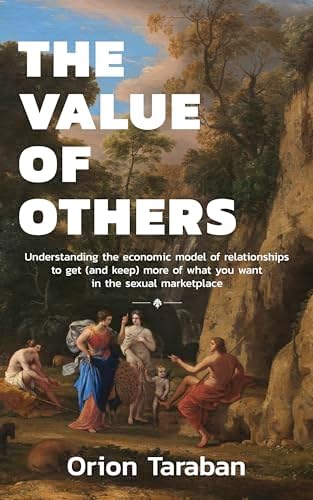
Evaluating Relationship Psychology Books: What This Economic Model Approach Offers
When considering 'The Value of Others,' buyers should understand this isn't a conventional relationship guide but applies economic frameworks to interpersonal dynamics. This Kindle eBook's 4.56 rating from over 1,000 reviews suggests it resonates with readers seeking analytical approaches to relationship strategy rather than emotional or therapeutic perspectives.
Key Considerations Before Buying
- This book's 'economic model' framing appeals to readers who prefer systematic analysis over anecdotal advice, making it suitable for those comfortable with transactional relationship perspectives.
- With an adjusted rating of 4.30 after removing suspicious reviews, the authentic reception remains strong, indicating genuine reader engagement with its unconventional approach.
- The 'sexual marketplace' terminology signals a specific ideological framework that may align with certain relationship philosophies but alienate readers preferring traditional romantic perspectives.
What Our Analysts Recommend
Quality indicators for this category include specific reader testimonials about behavioral changes rather than vague praise, and reviews that demonstrate actual engagement with the economic concepts presented. Authentic reviews for this book frequently mention applying the 'value exchange' framework to real dating scenarios.
Interpersonal Relations Market Context
Market Overview
The interpersonal relations eBook category has expanded beyond traditional therapy-based approaches to include strategic frameworks like evolutionary psychology and market-based models. 'The Value of Others' occupies a niche within this trend, appealing to readers seeking systematic rather than emotional relationship guidance.
Common Issues
Many relationship psychology books suffer from oversimplification of complex human dynamics or present anecdotal evidence as universal truth. This category also attracts polarized reviews when authors challenge conventional romantic ideologies, as evidenced by this book's specific terminology and conceptual framing.
Quality Indicators
Quality in this category manifests through coherent theoretical frameworks supported by observable patterns, not just personal opinions. Books that successfully bridge abstract concepts to actionable insights, like this one's economic model application, typically maintain higher authentic ratings over time.
Review Authenticity Insights
Grade B Interpretation
The Grade B authenticity rating with 11% estimated fake reviews indicates predominantly genuine engagement, though some orchestrated promotion may exist. For this controversial category, even this modest fake percentage suggests the publisher or author may have encouraged some reviews.
Trust Recommendation
Focus on reviews that discuss specific concepts like 'relationship economics' or 'value calibration' rather than generic praise. The 4.30 adjusted rating represents the more reliable metric, still indicating strong reader satisfaction with this analytical approach.
Tips for Reading Reviews
Prioritize reviews that mention applying the economic model to specific dating scenarios or relationship challenges. Be skeptical of reviews using identical phrasing about 'changing my life' without concrete examples of behavioral changes.
Expert Perspective
This book represents a distinct approach within relationship psychology, applying economic principles to interpersonal dynamics with enough substance to maintain a 4.30 authentic rating. The specific 'sexual marketplace' framing attracts readers interested in strategic relationship navigation rather than emotional connection building. The review patterns suggest it successfully translates abstract economic concepts into applicable relationship strategies for its target audience. The sustained high rating despite the controversial framework indicates it delivers on its promised perspective.
Purchase Considerations
Consider whether you're comfortable with transactional relationship language and economic metaphors applied to intimacy. This book will likely appeal more to analytically-minded readers than those seeking traditional romantic guidance or therapeutic approaches to relationships.
Comparing Alternatives
Shoppers should compare this economic framework with evolutionary psychology approaches or traditional attachment theory books to determine which relationship model aligns with their worldview.


