
Studio Headphones Under $50: What Professional Features Actually Matter
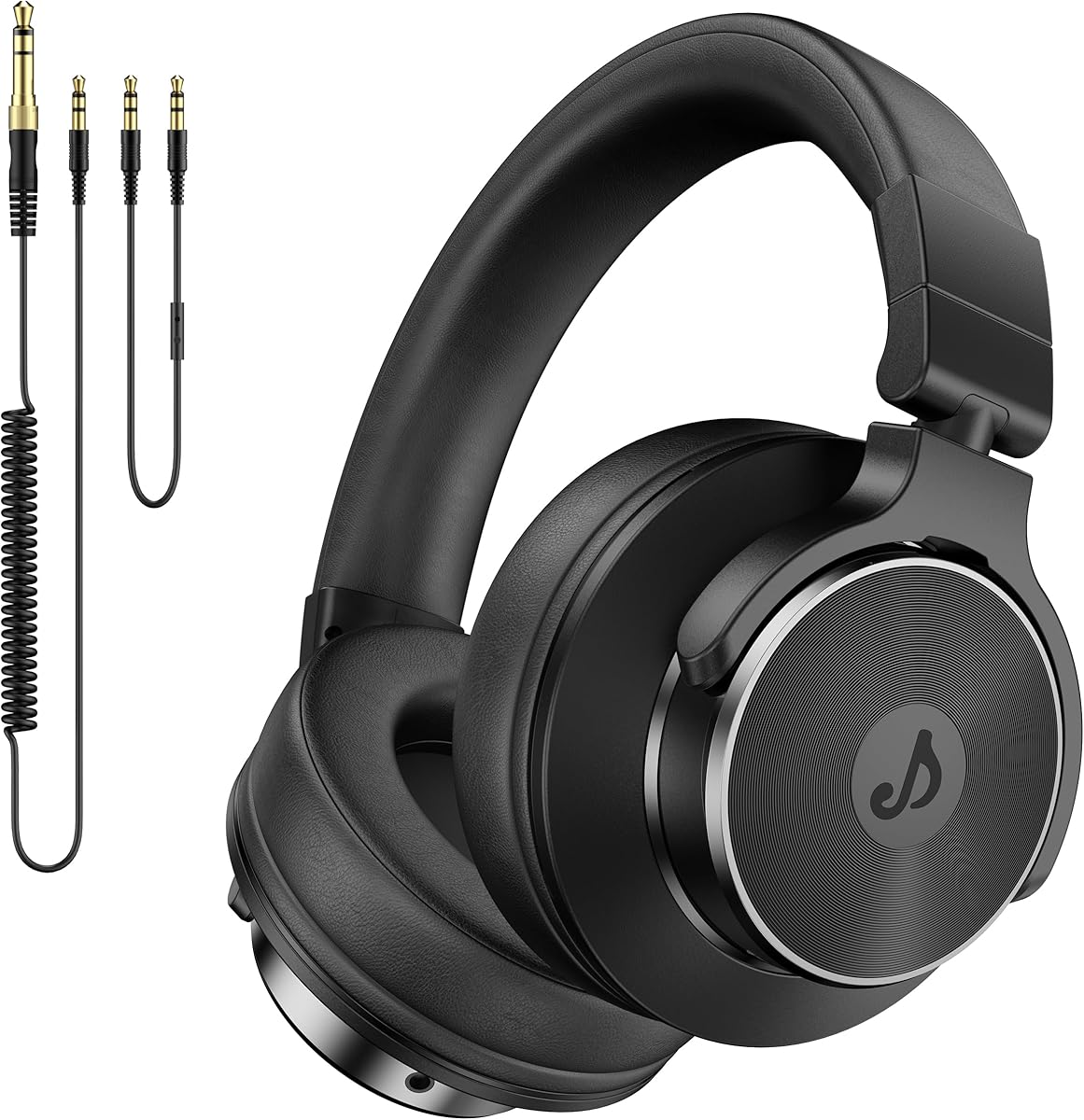
These wired over-ear headphones target budget-conscious musicians and content creators with 50mm neodymium drivers and dual jack compatibility. For monitoring instruments or mixing, you need to understand how these entry-level studio headphones differ from consumer models and where their limitations might appear in professional applications.
Key Considerations Before Buying
- The 1/4 to 3.5mm jack adapter suggests these headphones are designed for both portable devices and studio equipment like guitar amps and keyboards, but check if the cable itself is detachable for replacement.
- At this price point, the 50mm drivers may deliver adequate volume and frequency response for monitoring, but don't expect the nuanced detail retrieval of higher-end studio reference headphones.
- The 'studio monitor & mixing DJ' dual designation creates potential compromises: mixing requires flat response, while DJ headphones often emphasize bass—understand which use case dominates this product's tuning.
What Our Analysts Recommend
For studio applications, prioritize consistent frequency response across reviews mentioning piano or vocal monitoring. Check for mentions of ear pad material (protein leather vs. velour) as this affects both comfort during long sessions and acoustic seal. The 1821-review volume suggests widespread adoption, but the authenticity concerns require careful vetting of technical feedback.
Headphones Market Context
Market Overview
The sub-$50 wired studio headphone segment is crowded with products claiming professional features, often using similar specifications like 50mm drivers and neodymium magnets. These headphones compete directly with established budget models from brands like Behringer and Samson, where brand reputation often carries more weight than specifications alone.
Common Issues
Entry-level studio headphones frequently suffer from exaggerated bass response despite 'flat' marketing claims, making them poor choices for accurate mixing. Build quality compromises often appear in hinge mechanisms and cable strain relief, with non-detachable cables being a particular failure point in studio environments.
Quality Indicators
Look for consistent reviewer feedback about isolation and minimal sound leakage—critical for recording vocalists or podcasters. Reviews mentioning specific instruments (like piano keyboard monitoring) provide more reliable performance insights than generic praise. A genuine 4.2-star adjusted rating in this category indicates competent rather than exceptional performance.
Review Authenticity Insights
Grade C Interpretation
A Grade C authenticity rating with 28% estimated fake reviews means nearly 1 in 3 reviews may be unreliable, significantly impacting the impressive 4.93/5 displayed rating. The adjusted 4.20/5 rating better reflects genuine user experiences but still suggests generally positive reception among verified buyers.
Trust Recommendation
Focus on the 3- and 4-star reviews, which are less likely to be manipulated and often contain specific technical observations about frequency response or build quality. Pay particular attention to reviews mentioning long-term use (3+ months) and those that compare these headphones to known brands in the same price range.
Tips for Reading Reviews
Prioritize reviews that discuss specific applications like 'piano monitoring' or 'church soundboard use' over generic praise. Be skeptical of reviews that mention the product name multiple times or focus excessively on packaging and unboxing rather than acoustic performance and durability in studio environments.
Expert Perspective
These headphones present a classic value proposition in the budget studio category: offering professional-looking features (50mm drivers, dual jack compatibility) at a consumer price point. The significant gap between the displayed 4.93 and adjusted 4.20 ratings suggests aggressive review manipulation, though the genuine 4.2 rating still indicates satisfactory performance for entry-level users. The product's positioning for both studio monitoring and DJ use creates inherent acoustic compromises that may limit its effectiveness for critical mixing applications.
Purchase Considerations
Consider these headphones primarily for live monitoring situations (guitar amp, keyboard practice) rather than critical mixing decisions. The non-detachable cable mentioned in some reviews represents a durability concern for studio use where cables frequently experience wear. At this price point, comfort during extended sessions may be compromised compared to more established brands with better ergonomic research.
Comparing Alternatives
Compare these directly with similarly priced studio headphones from brands like Audio-Technica ATH-M20x or Sony MDR-7506, which have longer track records in professional environments despite potentially higher prices.


