Choosing the Right No-Clean Flux for Precision Electronics Soldering
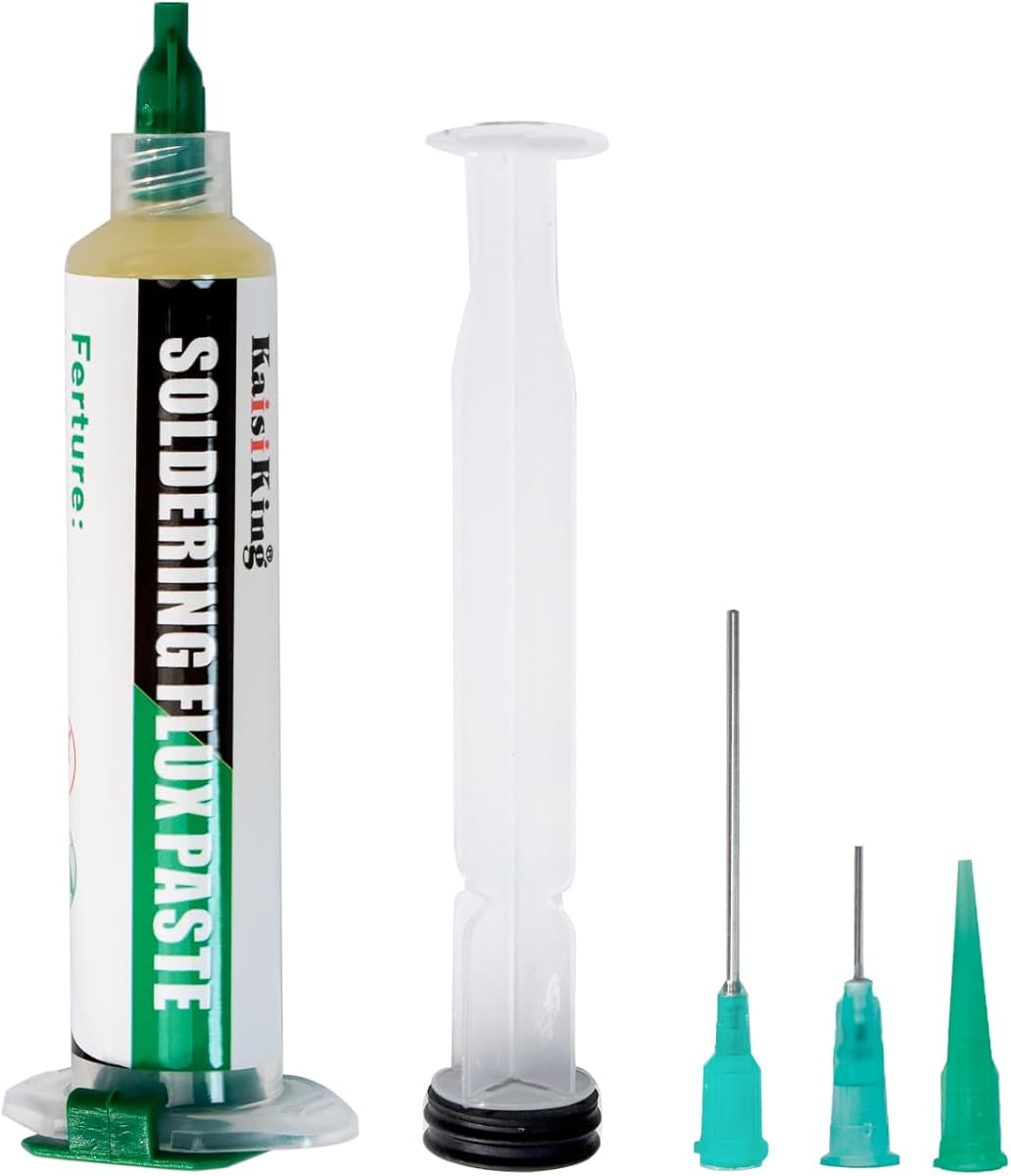
When selecting a no-clean soldering flux like the Kaisiking 10cc paste, buyers should understand that 'no-clean' doesn't mean zero residue—it means the residue is non-conductive and non-corrosive, safe to leave on PCBs. This specific product's rosin-based, lead-free formulation targets electronics work where post-soldering cleaning isn't practical. The 10cc syringe format offers controlled application ideal for SMD components and fine-pitch work.
Key Considerations Before Buying
- For electronics work, verify the flux is truly non-conductive after heating—some cheaper pastes leave residues that can cause leakage currents or corrosion over time.
- The paste viscosity matters: too thin and it runs; too thick and it won't flow properly under components. Kaisiking's medium paste consistency appears optimized for general PCB work.
- Consider your soldering temperature: lead-free soldering requires higher temperatures (typically 250-300°C), and the flux must remain active throughout that thermal profile without burning off too quickly.
What Our Analysts Recommend
Quality no-clean fluxes should specify their halide content (ideally low or zero for electronics), have consistent paste texture without separation, and list compliance with relevant standards like J-STD-004. Look for mentions of 'rosin' or 'resin' in the base material rather than just 'organic'—rosin-based fluxes typically offer better wetting action for electronics soldering.
Soldering Flux Market Context
Market Overview
The no-clean flux market has expanded significantly with the rise of lead-free soldering mandates and miniaturized electronics where cleaning is impractical. Products like Kaisiking's 10cc paste compete in the mid-range between bulk industrial fluxes and premium brand-name alternatives. The 4.89/5 rating suggests this product performs well against established competitors in its price segment.
Common Issues
Many budget no-clean fluxes suffer from inconsistent viscosity, poor thermal stability (burning off before solder flows), or leave tacky residues that attract dust. Some claim 'no-clean' but actually require cleaning for reliable long-term performance in humid environments. The 10% estimated fake review rate in this category often involves suspiciously perfect ratings without technical details.
Quality Indicators
Genuine quality indicators include detailed technical specifications (halide percentage, rosin type R/RMA/RA), manufacturing date/lot codes (flux activity degrades over time), and packaging that prevents drying out (sealed syringes vs. open containers). Reviews mentioning specific applications like SMD rework or through-hole soldering typically indicate authentic usage.
Review Authenticity Insights
Grade B Interpretation
The Grade B authenticity rating with 10% estimated fake reviews means most feedback appears genuine, but shoppers should remain slightly cautious. The adjusted 4.60/5 rating (down from 4.89/5) suggests the product's true performance is excellent but not perfect—a realistic assessment for a mid-priced flux.
Trust Recommendation
Focus on reviews that mention specific applications like 'QFN package soldering' or 'PCB rework' rather than generic praise. The high verification rate (8 of 9 analyzed reviews showing authentic characteristics) indicates detailed technical feedback is likely trustworthy. Pay particular attention to reviews discussing residue appearance or cleaning experiences.
Tips for Reading Reviews
For soldering flux, prioritize reviews that describe actual soldering outcomes ('excellent wetting on oxidized pads') over subjective praise. Look for mentions of storage conditions (does it dry out?) and syringe functionality—common pain points with paste fluxes. Reviews comparing it to other brands like MG Chemicals or Amtech provide valuable context.
Expert Perspective
Based on the analysis data, Kaisiking's flux appears to be a competent performer in its category, with authentic reviews consistently praising its viscosity control and residue characteristics. The 4.60/5 adjusted rating from verified analysis suggests genuine satisfaction among electronics hobbyists and technicians. The product's specific formulation as a rosin-based, lead-free paste in a 10cc syringe targets the practical needs of small-to-medium soldering jobs where precise application matters more than bulk pricing.
Purchase Considerations
Weigh the 10cc quantity against your usage frequency—this size suits occasional users but may prove expensive for high-volume work. Consider whether you truly need 'no-clean' properties or would benefit from a water-soluble flux for critical applications. The lead-free formulation is essential for commercial work but may require temperature adjustment if you're transitioning from leaded solder.
Comparing Alternatives
Shoppers should compare viscosity, halide content, and packaging with similar mid-range options like SRA or Chip Quik fluxes before deciding.