8GB TF Cards: Tiny Capacity, Big Questions—What to Know Before Buying
When you're eyeing a 2-pack of 8GB TF cards like the TF162 Red Gold, you're likely dealing with legacy devices—security cameras, dash cams, or older phones—that don't need massive storage. This guide helps you navigate the specifics of these small-capacity cards, from speed ratings to compatibility, so you can decide if this pack fits your niche needs.
Key Considerations Before Buying
- 8GB capacity is extremely limited—it holds roughly 2,000 photos or about 2 hours of 1080p video. Ensure your device's storage needs are this modest before purchasing, as you'll likely need multiple cards for continuous recording.
- The UHS-I, Class 10, and A1 ratings indicate a minimum write speed of 10MB/s and random read/write performance suited for app usage. However, actual speeds can vary, and for 4K video or high-burst photography, you'd need V30 or U3 cards—this 8GB card is not designed for those tasks.
- This 2-pack includes adapters, making it versatile for devices that accept full-size SD cards. However, always verify your device's compatibility with TF/microSD cards and the maximum supported capacity—some older devices may not recognize 8GB if they were designed for 2GB or 4GB cards.
What Our Analysts Recommend
For a card like this, look for genuine branding, clear speed class markings (C10, U1, A1), and a warranty that covers early failures. Since counterfeit cards are common, especially at low capacities, buy from reputable sellers and test the card's actual capacity using tools like h2testw after purchase.
Memory Cards Market Context
Market Overview
The memory card market has shifted toward high-capacity cards (64GB–1TB) for 4K video and smartphone storage, but a niche remains for small-capacity cards like this 8GB model. These are often used in budget security cameras, basic dash cams, car audio systems, and retro gaming consoles, where cost per card is more critical than capacity.
Common Issues
Low-capacity cards are frequently counterfeited, with fake cards reporting higher capacity than available. They also suffer from higher failure rates under continuous write loads (e.g., security cameras), and many users report cards dying within months—like the reviewer who saw a card fail in a Tapo camera after a month. Heat and repeated overwrites are common culprits.
Quality Indicators
Look for cards from established brands like SanDisk, Samsung, or Kingston, or for clear markings of speed class and A1 rating. Genuine cards will have a smooth, consistent label and a serial number. Also, check for a warranty period—reputable brands offer 5-year or lifetime warranties, which this budget pack may not.
Review Authenticity Insights
Grade B Interpretation
The B grade and 15% estimated fake review rate mean that while the majority of the 16,122 reviews are authentic, a significant minority may be incentivized or fabricated. This aligns with the adjusted rating drop from 4.67 to 4.30—still positive, but suggesting that some 5-star reviews may not reflect real experiences.
Trust Recommendation
Given the 15% fake rate, you should read a mix of positive and negative reviews, focusing on detailed accounts of real-world use, like the security camera example. Pay attention to consistent complaints about card failure or speed issues, as these are more likely to be genuine red flags.
Tips for Reading Reviews
For tech products like this, look for reviews that mention specific devices (e.g., 'Tapo camera') and usage patterns. Be wary of overly generic praise or reviews that lack context. Also, check the date of reviews—recent ones are more relevant to current manufacturing batches.
Expert Perspective
This 2-pack of 8GB TF cards serves a very specific purpose: providing low-cost, replaceable storage for devices that don't need much space. The UHS-I C10 A1 ratings are fine for basic recording and app use, but the capacity is a major limitation. The authenticity analysis suggests you can't fully trust the 4.67-star rating, but the adjusted 4.30 is still respectable, indicating that many users are satisfied for their niche use cases.
Purchase Considerations
Weigh the low price per card against the risk of failure—if you're using these in a security camera, consider buying a single higher-endurance card instead. Also, check if your devices support 8GB; some older cameras may have a minimum capacity requirement (e.g., 16GB). If you need reliable storage for critical data, invest in a more robust card.
Comparing Alternatives
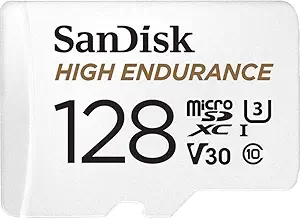
Before buying, compare with 16GB or 32GB cards from established brands, which may offer better endurance and similar low prices. For continuous recording, look for 'High Endurance' cards specifically designed for surveillance and dash cams.