
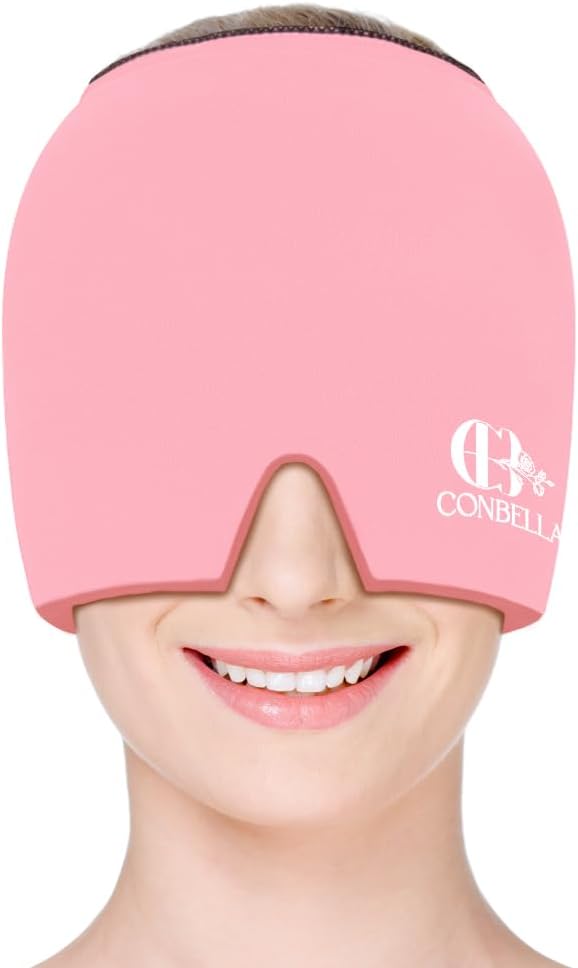
Evaluating Migraine Caps: How This Pink Therapy Mask Stands Out
When considering a migraine relief cap like this specific pink hot/cold therapy mask, buyers should understand it's a wearable alternative to traditional ice packs. This product combines compression with temperature therapy, designed to cover the forehead, temples, and eyes simultaneously, which differs from spot-treatment gel packs.
Key Considerations Before Buying
- Check whether the cap's interior gel pockets are segmented or continuous—segmented designs like this one often provide more targeted pressure and better cold retention.
- Assess the strap adjustment system; this model uses a hook-and-loop closure that must maintain tension through repeated temperature cycles without degrading.
- Consider material durability for frequent hot/cold transitions; this cap's fabric must withstand repeated washing after contact with sweat and skincare products.
What Our Analysts Recommend
Quality indicators include reinforced stitching around gel compartments to prevent leakage and flexible but non-stretching straps that maintain consistent pressure. The gel should remain pliable when frozen (-20°C capable) without becoming brittle, a key feature mentioned in authentic reviews of this specific product.
Cold Packs Market Context
Market Overview
The migraine cap market has expanded beyond basic gel masks to include full-coverage designs like this pink cap, which competes with premium brands like TheraICE and Headache Hat. Consumers increasingly seek dual hot/cold functionality rather than single-use cold packs.
Common Issues
Common problems include gel compartment leaks after 3-6 months of regular use, straps losing elasticity, and uneven cooling where forehead areas get colder than temple regions. Some caps also retain moisture after washing, leading to mildew concerns.
Quality Indicators
Superior caps use medical-grade PVC-free gel that cools evenly and maintains flexibility, with double-stitched seams at stress points. The best designs, like this one reportedly, have contoured eye areas that don't apply direct pressure on eyelids while providing coverage.
Review Authenticity Insights
Grade B Interpretation
The Grade B authenticity rating with 11% estimated fake reviews suggests generally reliable feedback, though shoppers should be slightly more cautious than with A-grade products. The adjusted 4.60 rating (from 4.89) indicates some review inflation but still reflects strong genuine satisfaction.
Trust Recommendation
Focus on reviews discussing specific use cases like sinus pressure or tension headaches rather than generic praise. The 1757-review volume provides substantial data—look for patterns in durability comments after 4+ months of use.
Tips for Reading Reviews
Prioritize reviews mentioning temperature retention duration (this cap reportedly stays cold 20-30 minutes) and washing experiences. Be skeptical of reviews that don't differentiate between migraine types or lack details about fit adjustments.
Expert Perspective
This pink migraine cap's 4.60 adjusted rating from substantial review volume indicates it performs well within its price segment for dual-temperature therapy. The high rating despite authenticity adjustments suggests genuine user satisfaction with its full-head coverage design. Its specific value proposition lies in combining eye coverage with temple pressure—a feature not all caps offer. The product appears to address the common complaint of eye-area exclusion in basic headache hats.
Purchase Considerations
Weigh whether you need simultaneous eye coverage versus just forehead/temple relief. Consider your freezer space—this cap's full-head design requires more room than flat gel packs. Those with sensitivity to head pressure should note this provides compression beyond simple cooling.
Comparing Alternatives
Compare strap designs and gel distribution with similar caps from Headache Hat or TheraICE, particularly if you need longer cold retention or different pressure points.


