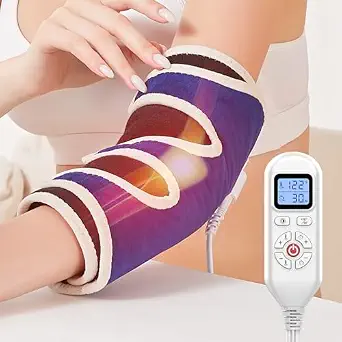
Large Weighted Heating Pads: Balancing Heat Therapy with Targeted Pressure Relief
The iDOO's 24"x33" weighted design distinguishes it from standard heating pads by combining consistent heat distribution with gentle compression. This specific model targets larger muscle groups across the back and shoulders, making it suitable for those seeking relief from widespread tension rather than localized pain points. Its FSA/HSA eligibility indicates medical recognition for therapeutic use.
Key Considerations Before Buying
- The 24"x33" size is ideal for full-back coverage but may be cumbersome for spot treatment on smaller areas like the neck alone.
- Weighted heating pads rely on even sand or bead distribution; poor construction can lead to lumpiness and uneven pressure.
- FSA/HSA eligibility requires a Letter of Medical Necessity (LMN) from a doctor for reimbursement, adding a step for those using health savings accounts.
What Our Analysts Recommend
Examine reviews for mentions of fabric durability after repeated washes and the consistency of the weighted fill. Quality indicators include precise temperature control (not just high/medium/low) and a secure, non-bulky closure system that prevents the weighted material from shifting during use.
Heating Pads Market Context
Market Overview
The heating pad market has evolved beyond simple electric blankets to include targeted, feature-rich models with auto-shutoff safety, moisture resistance, and weighted designs. The iDOO enters a competitive segment where consumers increasingly prioritize therapeutic benefits over basic warmth.
Common Issues
Common failures include heating elements that develop cold spots, controllers with unreliable temperature settings, and fabrics that pill or lose softness after washing. Weighted models specifically face issues with fill settling or leaking through seams.
Quality Indicators
Look for dual safety features like auto-shutoff and overheat protection, machine-washable construction (controller removed), and detailed information on wattage and heat-up time. Premium pads often use fleece or plush fabrics that retain heat without trapping excessive moisture.
Review Authenticity Insights
Grade B Interpretation
A Grade B with a 10% estimated fake review rate suggests the iDOO pad's reviews are largely trustworthy, with minimal orchestrated manipulation. The 0.29-point drop from the displayed 4.89 to the adjusted 4.60 rating indicates some review inflation, but the core feedback remains credible.
Trust Recommendation
Focus on verified purchase reviews that discuss long-term durability over several months, as these are less likely to be incentivized. The high volume (918 reviews) provides a robust sample to identify consistent patterns in both praise and complaints.
Tips for Reading Reviews
Prioritize reviews that mention specific use cases like post-physical therapy, arthritis management, or muscle recovery, as these provide context for the pad's therapeutic efficacy. Be skeptical of reviews that only praise gift-giving aspects without detailing performance.
Expert Perspective
The iDOO pad's exceptionally high adjusted rating of 4.60/5, derived from authentic reviews, signals strong user satisfaction in a category where products often average 4.2-4.4. Its large, weighted design fills a specific niche for users seeking both heat and deep-pressure stimulation. The combination of size, weight, and FSA eligibility positions it as a therapeutic device rather than a casual comfort product. The minimal fake review percentage suggests the positive reception is organic.
Purchase Considerations
Weigh the benefit of full-back coverage against the pad's bulkiness for storage and portability. Consider if the weighted feature (typically 2-4 lbs) provides desired therapeutic pressure or if a lighter, more flexible pad would better suit your mobility needs. The FSA/HSA benefit is valuable but requires physician documentation.
Comparing Alternatives
Shoppers should compare the iDOO's dimensions and weight distribution against similar large weighted pads from brands like Sunbeam or Pure Enrichment to assess fabric quality and controller ergonomics.