Evaluating Hydrogen Water Bottles: Key Factors Beyond Marketing Claims
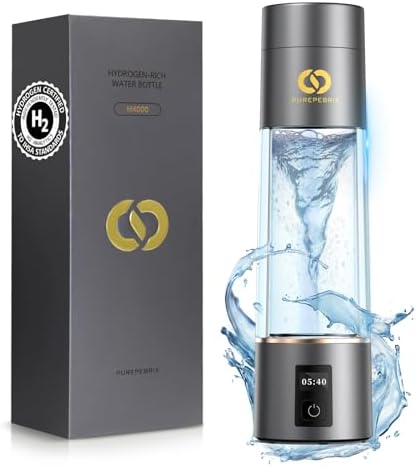
When considering this specific hydrogen water bottle generator with SPE/PEM technology and 6400 PPB concentration, buyers should understand that hydrogen concentration claims require verification. The 12-hour retention feature is particularly relevant for athletes who need sustained benefits during extended training sessions, making this more than just a hydration vessel.
Key Considerations Before Buying
- Verify the actual hydrogen concentration (PPB) through third-party testing, as 6400 PPB represents the upper limit of what portable electrolysis can achieve.
- Assess whether the SPE/PEM membrane technology is genuinely certified, as this affects hydrogen purity and electrode longevity compared to cheaper electrolysis methods.
- Consider your usage patterns—the 12-hour retention claim matters most for those who prepare water hours before consumption rather than drinking immediately.
What Our Analysts Recommend
Quality indicators include detailed technical specifications about the SPE/PEM membrane thickness and material, transparent hydrogen concentration testing methodology, and battery life specifications relative to the electrolysis process. Premium models should specify the electrode material (typically platinum-coated titanium) and provide clear maintenance instructions to prevent mineral buildup.
Sports Water Bottles Market Context
Market Overview
The hydrogen water bottle market has expanded rapidly, with products ranging from $50 basic models to $300+ medical-grade devices. This particular model sits in the mid-to-upper range with its SPE/PEM technology claims, competing against established brands like H2CAP and AquaHydro.
Common Issues
Many hydrogen bottles suffer from rapid degradation of electrolysis efficiency, inconsistent hydrogen concentrations across uses, and poor battery management that limits portability. The 'wellness gift' positioning of this model sometimes overshadows practical athletic applications.
Quality Indicators
Superior hydrogen generators feature transparent hydrogen concentration testing data, replaceable membranes, and smart charging systems that prevent over-electrolysis. The grey color option here suggests durability focus over aesthetic appeal, which aligns with sports usage.
Review Authenticity Insights
Grade B Interpretation
The Grade B authenticity rating with 15% estimated fake reviews indicates generally reliable feedback but suggests some review manipulation. The 0.36-point drop from the displayed 4.56 to adjusted 4.20 rating reveals inflated positive sentiment that buyers should account for.
Trust Recommendation
Focus on reviews that discuss specific athletic recovery experiences or technical performance details rather than generic wellness benefits. The 541-review sample size provides sufficient data points if you filter for verified purchase reviews with detailed usage descriptions.
Tips for Reading Reviews
Prioritize reviews mentioning actual hydrogen concentration measurements, battery life during active use, and durability through repeated electrolysis cycles. Be skeptical of reviews that only mention 'gift' aspects without discussing functional performance.
Expert Perspective
This hydrogen water bottle presents a compelling package with its SPE/PEM technology and high concentration claims, though the authenticity analysis suggests some review inflation. The 4.20 adjusted rating still indicates solid customer satisfaction, particularly for the portable design and hydrogen retention features. The product's positioning as both a recovery tool and wellness gift creates some market confusion about its primary athletic function.
Purchase Considerations
Athletes should weigh the convenience of portable hydrogen generation against the cost of disposable hydrogen tablets or stationary generators. Consider whether the 12-hour retention aligns with your hydration timing, and verify the actual battery life supports your training schedule between charges.
Comparing Alternatives
Shoppers should compare this model's SPE/PEM technology against proton exchange membrane alternatives and assess concentration consistency across competing products.