48V Lithium Conversion Kits: What Golf Cart Owners Need to Know
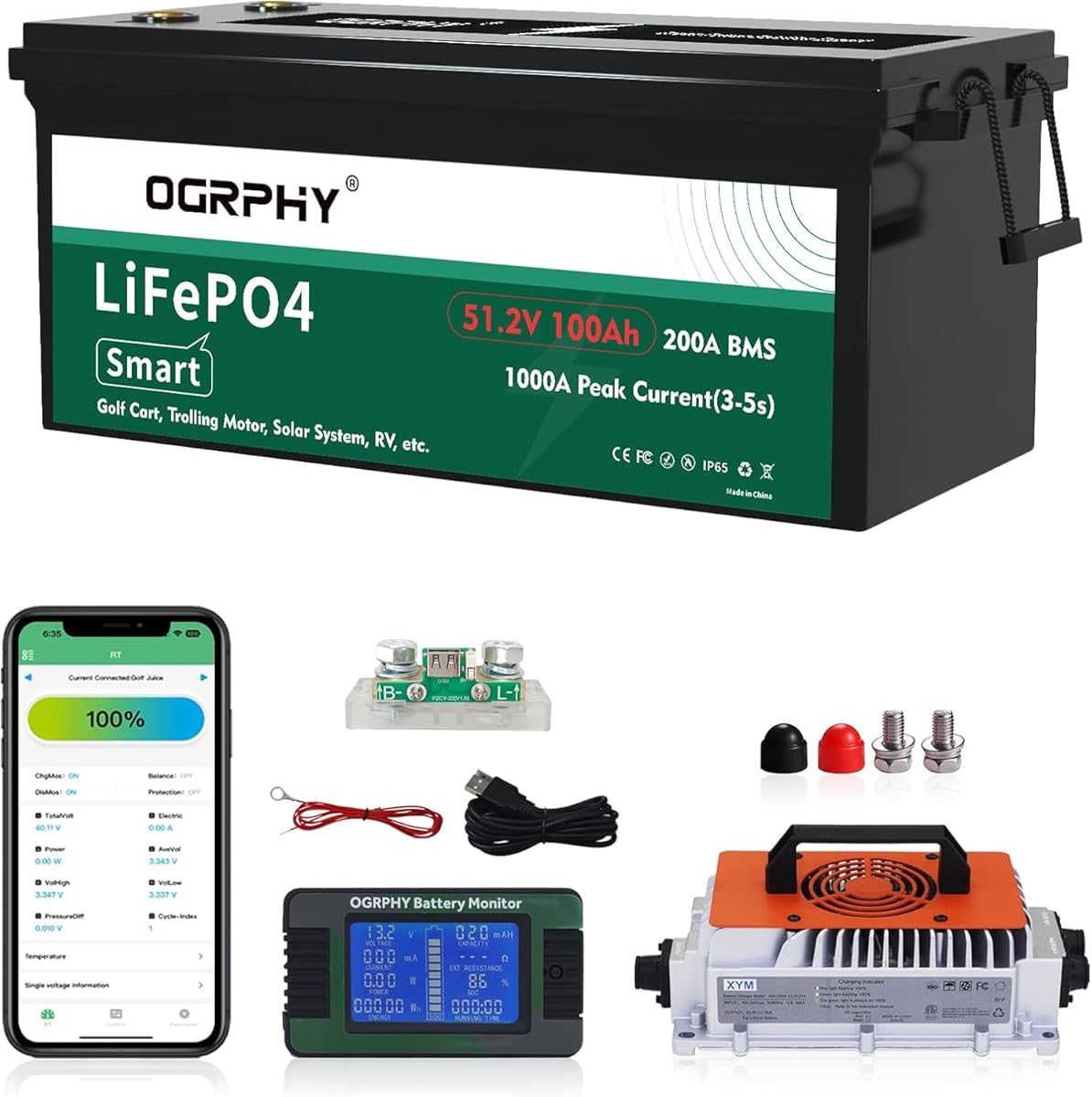
Upgrading a golf cart from lead-acid to lithium is a significant investment, and this 48V 100AH kit with a 200A BMS and touch monitor promises longer life and less maintenance. But not all lithium conversions are plug-and-play, so understanding the specs that matter—like peak current and charger compatibility—is essential.
Key Considerations Before Buying
- Check the continuous and peak current ratings against your cart's motor and controller. This kit's 200A continuous and 1000A peak output suits most stock and mildly upgraded carts, but high-performance motors may demand more.
- Verify the included charger matches your cart's charging port and voltage. A 48V LiFePO4 battery requires a specific charger profile; using an incompatible one can damage the battery or void warranties.
- Consider the physical dimensions and weight of the battery versus your existing lead-acid bank. Lithium packs are lighter but may require new mounting brackets or tray modifications, especially in older carts.
What Our Analysts Recommend
Prioritize kits with a reputable BMS that balances cells and protects against overcharge, over-discharge, and temperature extremes. Look for clear cycle-life claims (like 4000+ cycles) backed by a warranty of at least 5 years, and ensure the monitor provides real-time voltage, current, and state-of-charge data.
Golf Cart Accessories Market Context
Market Overview
The golf cart lithium conversion market is growing rapidly as owners seek longer range, faster charging, and less maintenance than lead-acid. However, it's still a niche segment with varying quality, and many kits are assembled from generic cells with little after-sales support.
Common Issues
Common problems include BMS failures under high load, inaccurate state-of-charge readings, and chargers that don't fully charge or balance the pack. Buyers also report fitment issues when the battery doesn't match the cart's original tray or wiring.
Quality Indicators
Quality kits use grade-A LiFePO4 cells from established manufacturers, a robust BMS with CAN or Bluetooth communication, and a charger specifically programmed for the battery. Detailed installation guides and responsive customer support are also hallmarks of reputable sellers.
Review Authenticity Insights
Grade A Interpretation
A Grade B authenticity rating with an estimated 10% fake reviews means most reviews are genuine, but a small portion may be incentivized or exaggerated. The adjusted rating of 4.20/5 suggests that after filtering suspicious reviews, the product still performs well for most buyers.
Trust Recommendation
Trust the detailed reviews that mention specific installation experiences, runtime improvements, and any issues encountered. Pay less attention to short, generic praise and focus on verified purchases with photos or measurements.
Tips for Reading Reviews
Look for reviewers who mention their cart model, motor type, and how they use the cart (e.g., hilly terrain, frequent stops). Also, note whether critical reviews were addressed by the seller, as that indicates good support.
Expert Perspective
This 48V 100AH kit offers a compelling package with its 200A BMS, touch monitor, and charger, targeting DIY converters who want a complete solution. The 4000+ cycle life and 10.24kW output are solid specs for typical golf cart use, but the real-world performance hinges on cell quality and BMS reliability. Given the adjusted rating of 4.20/5 from 495 reviews, it appears to satisfy most buyers, though the 10% fake review estimate warrants some caution.
Purchase Considerations
Weigh the total cost against lead-acid replacements, factoring in the longer lifespan and lower maintenance. Ensure the kit's peak current (1000A) covers your cart's needs, and confirm that the included charger is compatible with your electrical setup. Also, check the warranty terms and the seller's responsiveness to issues.
Comparing Alternatives
Compare with other 48V lithium kits that offer similar capacity but may include features like Bluetooth monitoring or a higher continuous BMS rating. Reading reviews across brands can help identify consistent pain points.