
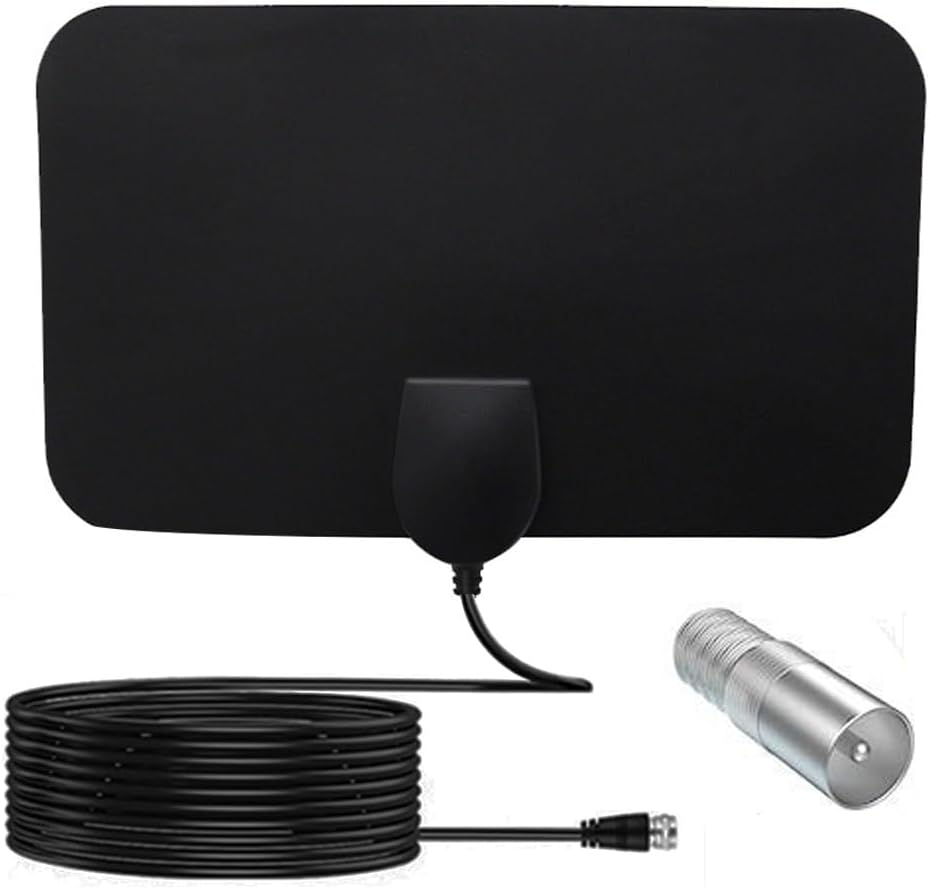
Indoor TV Antennas: What to Know Before Cutting the Cord
This 360° indoor HD antenna promises local channels in 4K/1080p for any HDTV, but real-world reception depends on your location and setup. With a 3.70 adjusted rating from nearly 2,000 reviews, it's worth understanding what drives satisfaction—and frustration—before you buy.
Key Considerations Before Buying
- Signal strength and distance to broadcast towers matter more than antenna specs: check the FCC DTV Reception Maps or AntennaWeb for your address to see which channels are realistically available indoors.
- The 360° reception claim usually means an omnidirectional design, which is convenient but typically has lower gain than a directional antenna—great for strong-signal urban areas, weaker in fringe zones.
- Placement is critical: windows facing towers, upper floors, and away from metal siding, appliances, or thick walls dramatically improve results, so plan for a coax run and some trial-and-error positioning.
What Our Analysts Recommend
Prioritize antennas with clear VHF/UHF coverage (many 'HD' models are UHF-only and miss channels 2–13), a reasonable 10-foot or longer coax cable, and a return policy that covers reception issues. Built-in amplification can help in weak-signal areas but may overload if you're close to towers, so look for switchable or low-gain options.
TV Antennas Market Context
Market Overview
Indoor TV antennas have surged as cord-cutting grows, with dozens of near-identical white-label models sold under different brand names. Most are passive or lightly amplified designs made from similar materials, so performance differences often come down to placement and your local broadcast landscape rather than the antenna itself.
Common Issues
Buyers frequently report that channel counts fall short of marketing claims ('up to 200 miles' is unrealistic for indoor use) and that reception varies by room and weather. Flimsy stands, short cables, and confusing amplifier instructions are recurring complaints, and some units struggle with VHF channels even when UHF comes in clearly.
Quality Indicators
Look for antennas that specify both VHF and UHF elements, list realistic range figures (30–60 miles for indoor use), and include detachable coax so you can upgrade the cable. Reviews that mention specific channel numbers and placement details are more trustworthy than vague 'works great' comments.
Review Authenticity Insights
Grade A Interpretation
A Grade A authenticity score with an estimated 8% fake reviews means the 3.89 rating is largely built on genuine customer experiences, though a small inflated margin likely exists. The adjusted 3.70 rating is a more realistic expectation and still reflects a mixed but mostly positive reception.
Trust Recommendation
Treat the 3.70 adjusted rating as the honest baseline: this is a middling product that works well for some households and disappoints others, often due to location rather than defect. Buy from a seller with easy returns so you can test reception in your home without risk.
Tips for Reading Reviews
Focus on reviews that mention their distance from towers, floor level, and which channels they received—these are the most informative. Skim past five-star reviews that only say 'great product' and pay attention to three-star reviews, which often explain exactly what worked and what didn't.
Expert Perspective
This is a typical entry-level indoor antenna: convenient, affordable, and capable of pulling in strong local signals in favorable locations, but not a miracle worker for weak or distant towers. The 3.70 adjusted rating and Grade A authenticity suggest honest, mixed feedback rather than manipulated hype. For urban and suburban users within reasonable range of broadcast towers, it can be a low-cost way to access network channels; for rural buyers, expectations should be tempered.
Purchase Considerations
Weigh the low upfront cost against the likelihood that you may need to reposition it, add a longer cable, or return it if your location is challenging. If you're in a strong-signal area and want a simple backup to streaming, this fits the bill; if you're far from towers, consider a powered outdoor antenna instead.
Comparing Alternatives
Compare this with other indoor models that explicitly support VHF and offer longer cables or adjustable gain, and check whether a $10–$20 step-up improves your specific channel lineup.


