
Choosing a No-Touch Forehead Thermometer: Accuracy, Features, and Practical Considerations
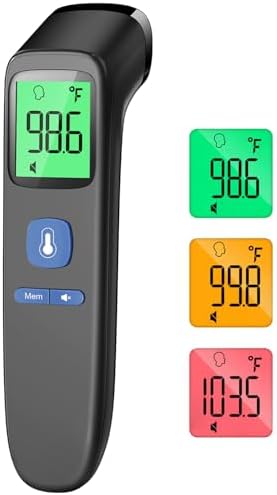
When evaluating this specific no-contact infrared thermometer, focus on its dual adult/child functionality and practical features like mute mode and memory recall. Unlike basic models, this device promises fever alarm alerts and large display visibility, which are critical for monitoring family health.
Key Considerations Before Buying
- No-touch infrared technology requires proper positioning—typically 1-3 inches from the center forehead—for accurate readings, which affects consistency across different users.
- Memory recall (typically 20-32 readings) is essential for tracking fever progression in children or monitoring recovery patterns over time.
- Mute mode functionality matters for nighttime use with sleeping children, but verify it doesn't disable important fever alarm alerts.
What Our Analysts Recommend
Quality forehead thermometers maintain calibration over time and provide consistent readings across multiple measurements. Check for clear documentation on proper usage distance and environmental factors that affect infrared accuracy, like drafts or direct sunlight.
Forehead Thermometers Market Context
Market Overview
The forehead thermometer market has expanded rapidly with pandemic-driven demand, creating a crowded field of infrared devices with varying accuracy claims. Current models emphasize no-contact hygiene and quick readings, but performance varies significantly between brands.
Common Issues
Users frequently report calibration drift after 6-12 months, inconsistent readings between forehead and ear measurements, and sensitivity to environmental temperatures. Some models struggle with accurate pediatric readings due to smaller forehead surface areas.
Quality Indicators
Look for clear FDA registration numbers (though not necessarily clearance), consistent performance across multiple verified reviews, and manufacturers who provide calibration instructions. Higher-quality units typically maintain accuracy within ±0.2°F rather than the more common ±0.4°F.
Review Authenticity Insights
Grade A Interpretation
A Grade B authenticity rating with 15% estimated fake reviews suggests generally trustworthy feedback, but shoppers should remain cautious of overly enthusiastic 5-star reviews. The adjusted 4.30 rating (down from 4.60) indicates genuine user experiences trend slightly more critical than initial ratings suggest.
Trust Recommendation
Focus on verified purchase reviews that mention specific usage scenarios, like monitoring children's fevers overnight or comparing readings with traditional thermometers. The 85% authentic rate means most feedback reflects real ownership experiences.
Tips for Reading Reviews
Prioritize reviews discussing long-term use (3+ months) and calibration consistency. Look for detailed comparisons with pediatrician or hospital thermometer readings, as these provide the most valuable accuracy assessments.
Expert Perspective
This thermometer's 4.30 adjusted rating from over 20,000 reviews indicates solid performance in the competitive forehead thermometer category. The memory recall and mute features address practical family needs, while the large display caters to users with vision concerns. The B authenticity grade suggests reasonable review reliability, though the 15% fake review rate warrants careful evaluation of extreme ratings.
Purchase Considerations
Weigh the convenience of no-contact operation against the need for precise positioning. Consider whether the fever alarm's temperature threshold aligns with your medical guidance (typically 100.4°F/38°C for adults). The mute function's implementation matters more for infant monitoring than general family use.
Comparing Alternatives
Compare this unit's specific features—particularly its memory capacity and display size—against similar-priced competitors offering extended warranties or calibration services.


